Why People Say “Punched” vs. “Perforated”
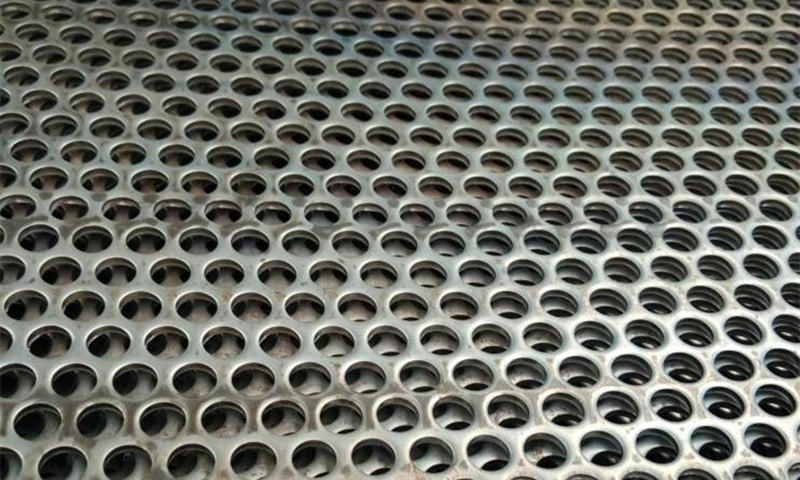
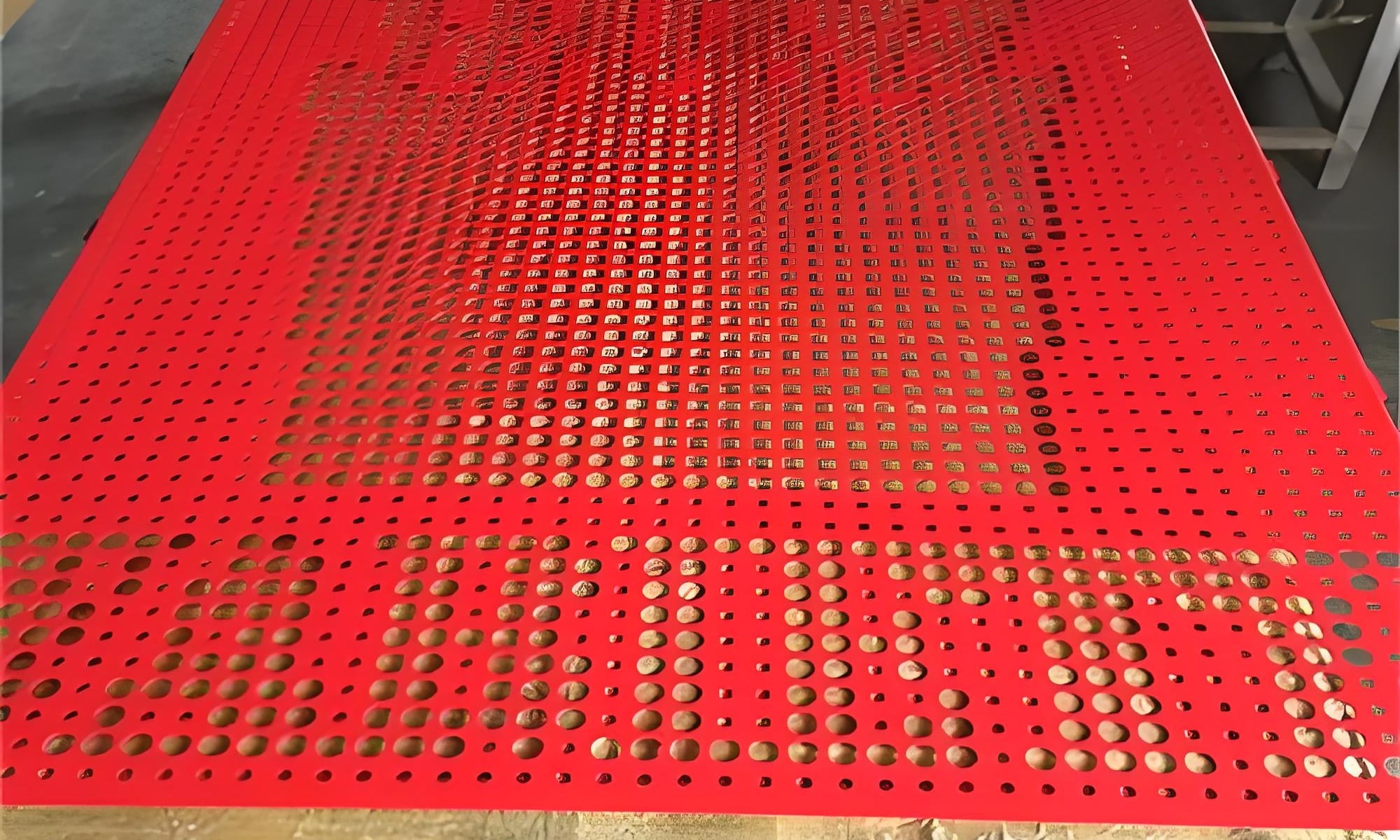
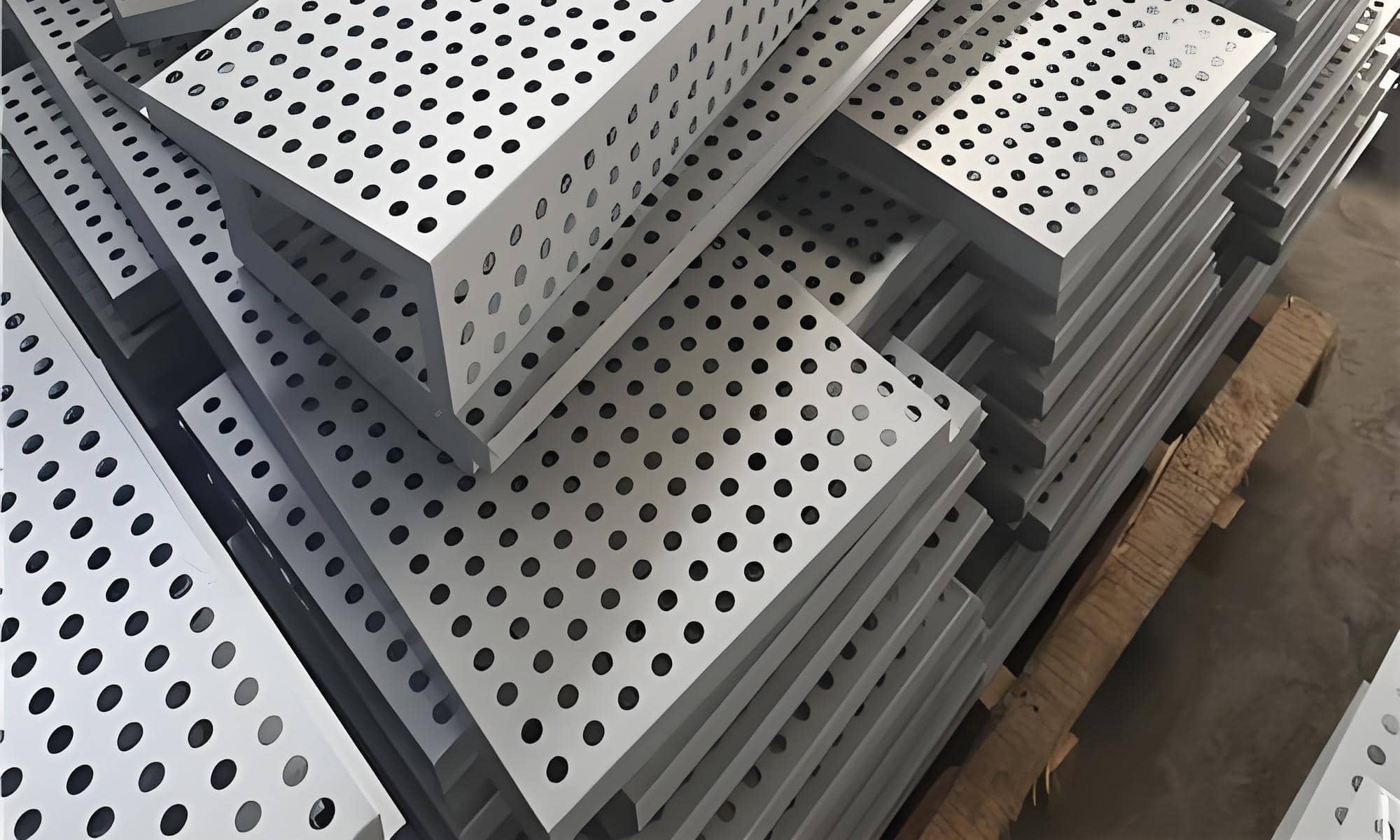
In day-to-day manufacturing language, punched aluminum sheet and perforated aluminum sheet usually point to the same family of products: aluminum sheet with holes made by a punching process.
Where the wording does matter is the context:
- “Perforated aluminum sheet” is the broad market term customers use for catalogs, standard patterns, and architectural stock.
- “Punched aluminum sheet” often shows up when a buyer is thinking specifically about how it will be produced—typically CNC turret punching—or when the pattern includes features beyond a simple round-hole library (slots, squares, mixed patterns, custom layouts).
As someone who’s spent years around CNC punch production, I’ve seen orders go sideways because teams assumed the “punched” label automatically meant “custom,” or that “perforated” meant “standard.” The truth is simpler: the product isn’t different, but the specification details decide everything.

Aluminum Perforated Metal Sheets
Send a Quick Message, We’ll Do the Rest
Tell us what you need. We’ll match the right perforated aluminum sheet and quote it — no back-and-forth.
Fast quote + lead time
Sample before production if needed
Factory direct pricing
What CNC Punching Can Do Well (and Where It Has Limits)
Strong fits for punched / perforated aluminum sheets
CNC punching is a practical, repeatable way to make perforations for:
- Ventilation and airflow panels (equipment covers, HVAC screens)
- Acoustic and interior panels (with optional backing)
- Guards, screens, and protective panels in industrial environments
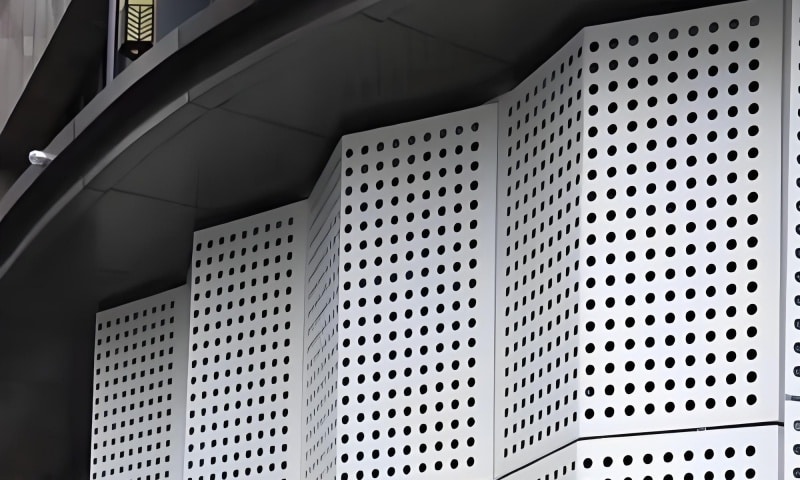
- Architectural cladding and décor elements when pattern repeatability matters
- Filtration / separation use-cases (pattern dependent)
If you’re looking for consistent hole quality, scalable production, and predictable lead times, perforated aluminum sheet made via punching is often the right call.
Real-world constraints buyers should know
Punching is fast, but it follows manufacturing physics:
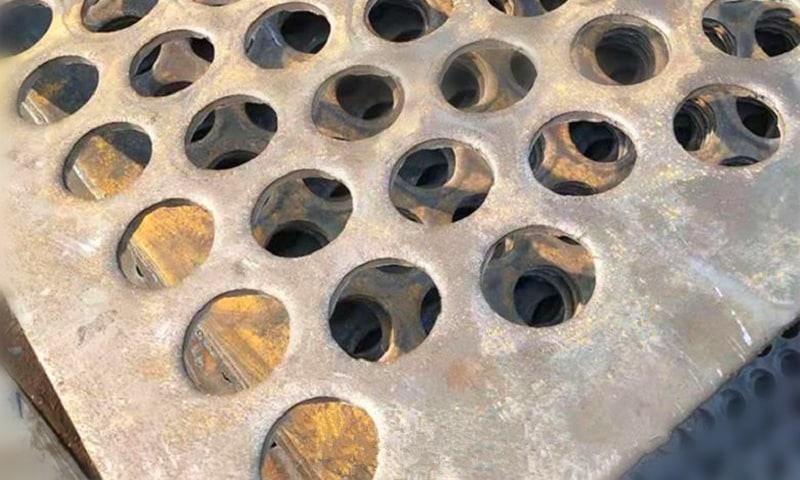
- Burr direction exists. One side is typically “cleaner,” one side can have a light burr—this is normal and can be controlled/managed.
- Very thin webs can deform. If hole-to-hole spacing is too tight, the sheet may distort or lose flatness.
- Edge margins matter. Holes too close to edges can cause tearing or weak borders.
- Pattern + thickness + alloy interact. The same pattern behaves differently in 3003 vs. 5052, and in 1.0 mm vs. 3.0 mm.
This is why two customers can both request “punched aluminum sheet” and end up with very different outcomes—because their specs aren’t actually the same.

The Specs That Actually Define Your Perforated Sheet
If you want accurate pricing and predictable results, these details are the difference between a smooth purchase and a painful re-quote.
Material and mechanical expectations
- Alloy/temper: common choices include 3003 (great formability) and 5052 (better strength/corrosion resistance)
- Thickness: impacts hole quality, flatness, and feasible spacing
- Sheet size: standard sheets are common, but custom blank sizes change yield and cost
Hole pattern and performance targets
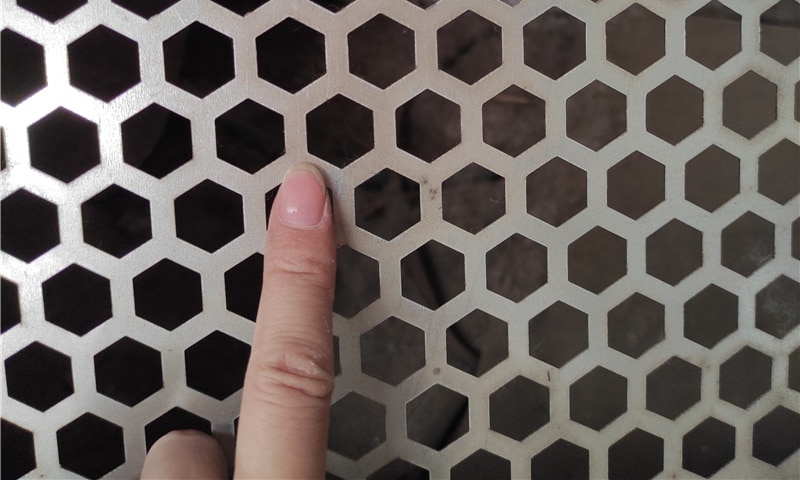
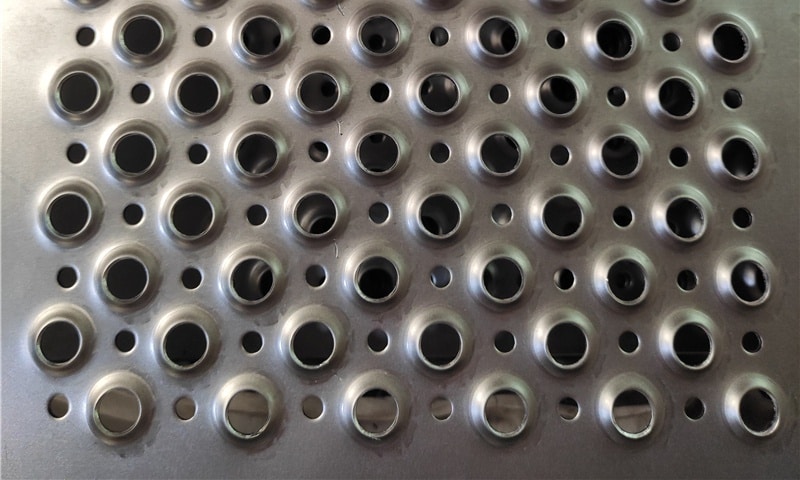
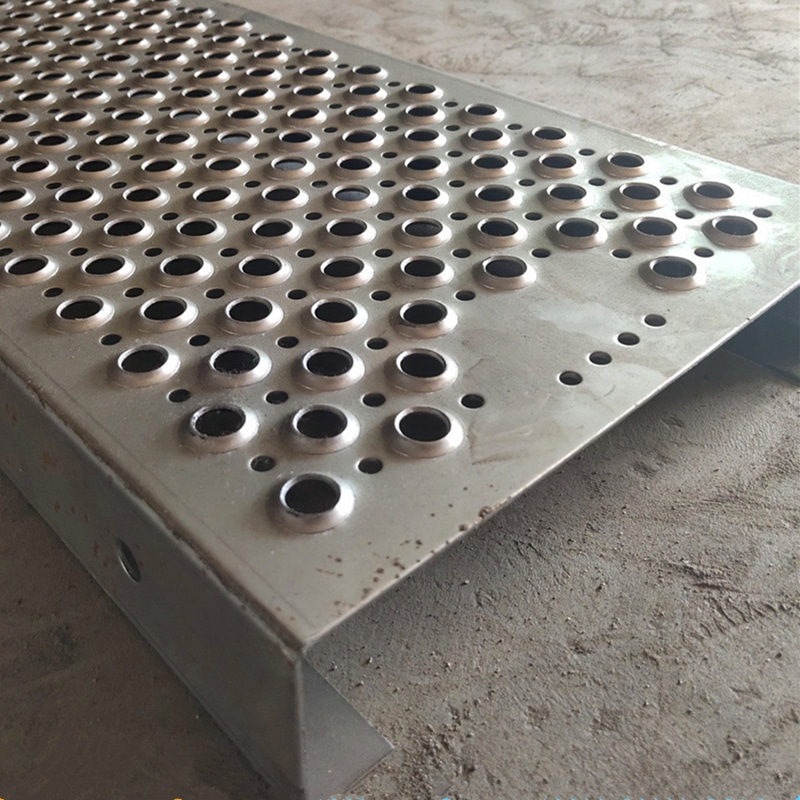
- Hole shape: round, slot, square, hex, decorative
- Hole size and pitch: the core of the pattern definition
- Open area %: the number engineers care about for airflow, sound, and weight
- Layout/orientation: important for slots, directional aesthetics, or structural reasons
Cosmetic and downstream process requirements
- Surface finish: mill finish, brushed, anodized-ready, etc.
- Coating: powder coating, anodizing, PVDF (project-driven)
- Protective film: helpful when panels will be fabricated or handled heavily
- Flatness requirement: call it out if you’re assembling into frames or tight tolerances
- Deburring expectations: “as-punched” vs. additional deburr or edge treatment
If you only send “perforated aluminum sheet, round holes,” you’ll get a generic answer. If you send the points above, you’ll get a quote that aligns with how your project will actually be used.
What Drives Price (More Than Most Buyers Expect)
From a production standpoint, the pricing of punched perforated aluminum sheets typically moves with:
1) Pattern density and hit count
More holes = more punching time. A small hole with tight pitch can multiply machine time quickly.
2) Tooling approach
Standard tool patterns are efficient. True custom layouts (especially mixed shapes) may require more setup time or specialized tooling decisions.
3) Scrap/yield from sheet nesting
Custom blank sizes, border margins, and orientation can change material utilization—and that affects cost.
4) Secondary operations
Deburring level, flattening expectations, coating, film, and packaging are often where “cheap perforated sheet” turns into a real project cost.
If your application is cosmetic (architectural panels), it’s usually worth discussing “show face,” burr direction, and finish early—those details are far cheaper to plan than to fix later.
What to Send for a Fast, Accurate Quote
Here’s what we ask for when a buyer wants a clean quote on punched aluminum sheet (especially for repeat purchasing):
Preferred files
- DXF or DWG (best for exact patterns and machine processing)
- PDF drawing (for callouts, notes, revision control)
Include these callouts
- Alloy + thickness
- Hole size + pitch (or pattern spec)
- Sheet size (overall)
- Border margins / no-hole zones
- Quantity (prototype vs. production volumes)
- Finish requirement (mill, brushed, anodize, powder coat color)
- Tolerance needs (only if critical—otherwise we’ll quote standard manufacturing tolerances)
If you’re unsure about any of those, you can still start the conversation—just tell us the application (airflow, screen, façade, equipment guard) and what matters most (appearance, strength, open area, cost). We’ll help translate that into buildable specs.
A Practical Rule of Thumb
If you need a standard round-hole pattern for general use, asking for perforated aluminum sheet is perfectly fine. If your project requires tighter control over layout, mixed hole shapes, or process-specific expectations, calling it punched aluminum sheet can be a helpful signal—as long as the specs are clearly defined.