Start With the Application (Because “Same Drawing” Isn’t Always the Same Result)
When a buyer asks us for a quote on a perforated aluminum sheet, the fastest way to get an accurate price and lead time isn’t “send me your standard spec.” It’s understanding where the sheet will live and what it must survive.
In CNC turret punching, small decisions—like hole orientation, edge margins, or whether the part will be formed after perforating—change tooling, nesting, scrap rate, and sometimes even whether the panel stays flat. That’s why our first questions are practical, not academic:
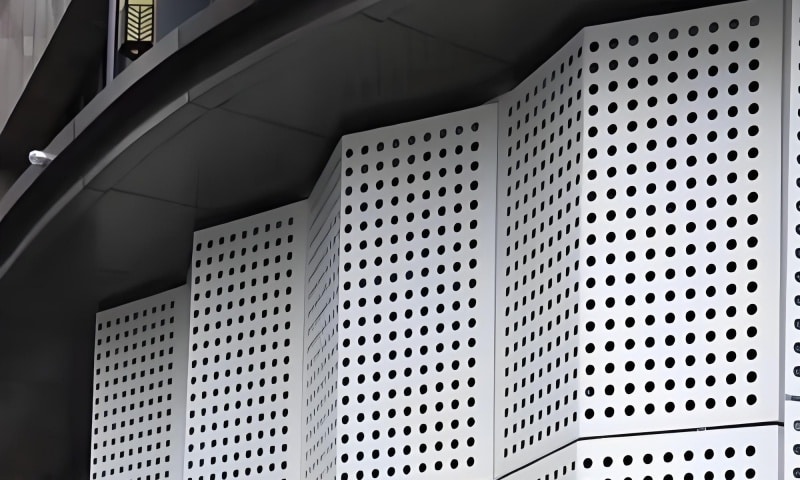
- Is this for architectural cladding, a screen, a guard, a filter panel, acoustic treatment, or equipment enclosure?
- Will it be outdoors (corrosion + finish durability) or indoors (appearance + flatness)?
- Will it be bent, rolled, welded, anodized, or powder coated after perforation?
- Do you need consistent open area for airflow/light, or is it mainly visual?
If you’re comparing suppliers, you’ll notice the best quotes come from shops that ask “annoying” questions up front. That’s not friction—it’s how you avoid rework, surprises, and panels that don’t assemble cleanly on site.

Aluminum Perforated Metal Sheets
Send a Quick Message, We’ll Do the Rest
Tell us what you need. We’ll match the right perforated aluminum sheet and quote it — no back-and-forth.
Fast quote + lead time
Sample before production if needed
Factory direct pricing
The 4 “Must-Have” Parameters for Any Quote
Below are the four specs we need every time. If you send only these (clearly), you’ll get a faster and more reliable quote—especially for custom perforated aluminium sheet patterns.
1) Aluminum Alloy + Temper (Material Grade Matters)
“Aluminum” is a family, not a single material. The alloy affects strength, corrosion resistance, formability, and finishing results.
Common choices we see:
- 3003: great general-purpose option; good formability; often used for screens, panels, and decorative work.
- 5052: stronger and better corrosion resistance; popular for marine-ish environments and demanding fabrication.
- 6061: higher strength, but not always the easiest for tight forming; often used when structural stiffness matters.
If you already have a spec (ASTM/EN, temper like H14, H32, T6), include it. If you don’t, tell us the environment (indoor/outdoor/coastal) and whether you’ll be forming the sheet—we’ll recommend a practical grade.
2) Thickness (Gauge) and Flatness Expectations
Thickness is not just structural—it directly affects:
- punching efficiency and tool wear
- burr control
- how easily the sheet “oil-cans” (waviness) after perforation
- whether it can be formed without distortion
Include thickness in inches or mm and tell us if flatness is cosmetic-critical (architectural/visible surfaces) or functional (hidden behind framing).
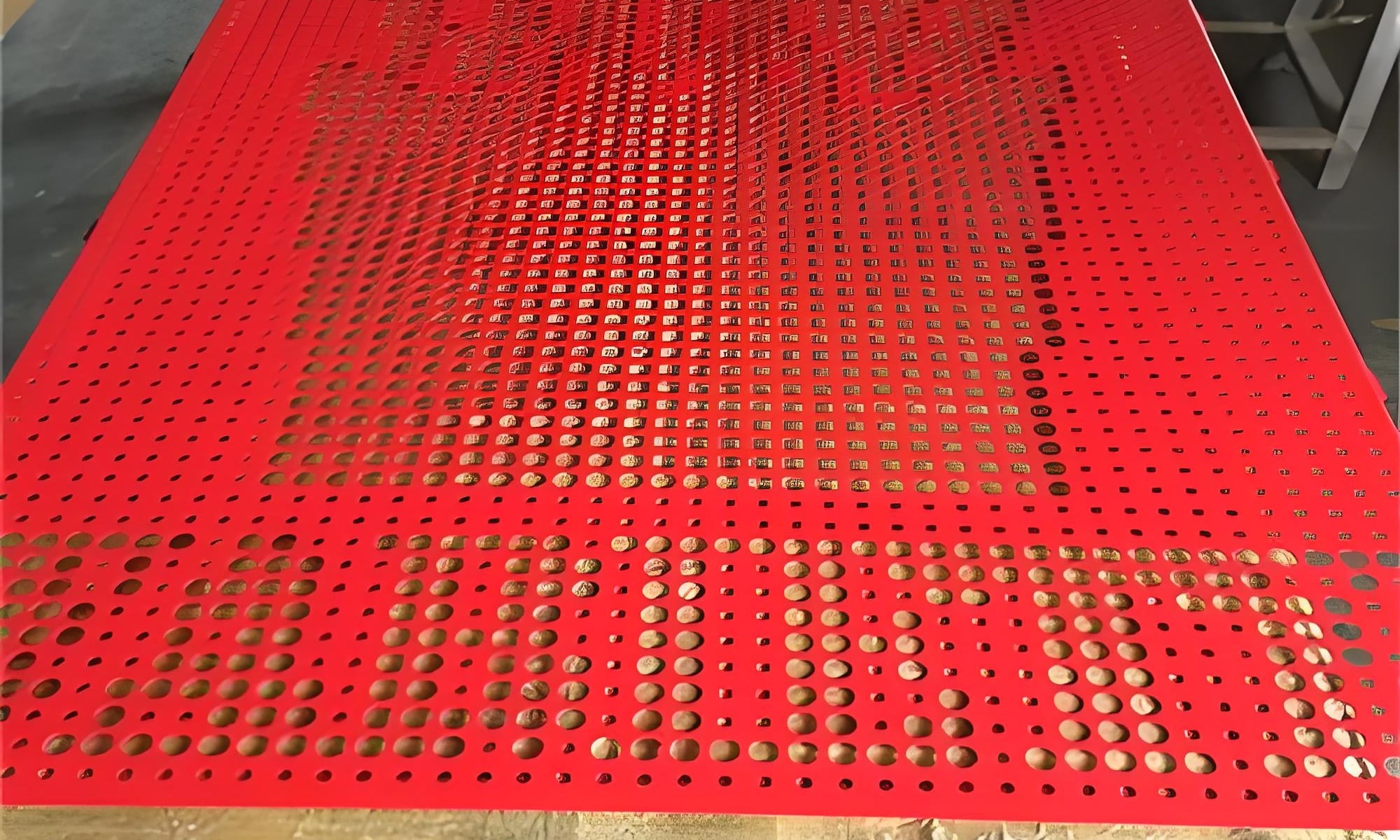
3) Hole Pattern (Shape, Hole Size, and Pitch)
This is where most quote delays happen—because “round holes” can mean 20 different things.
At minimum, define:
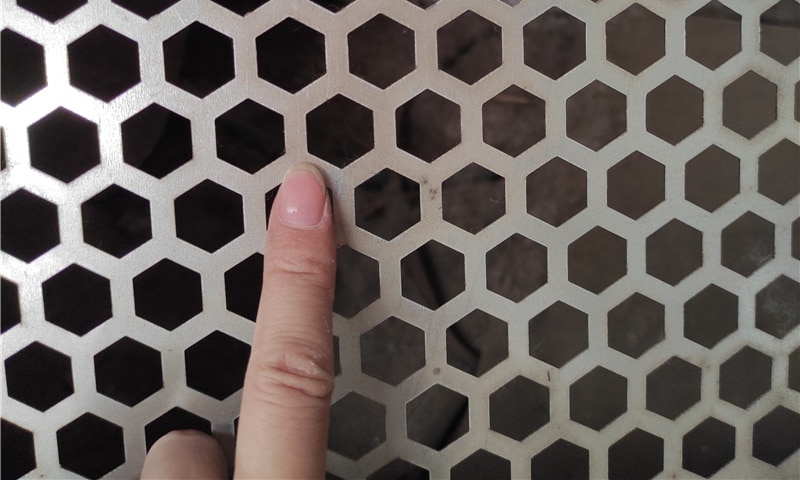
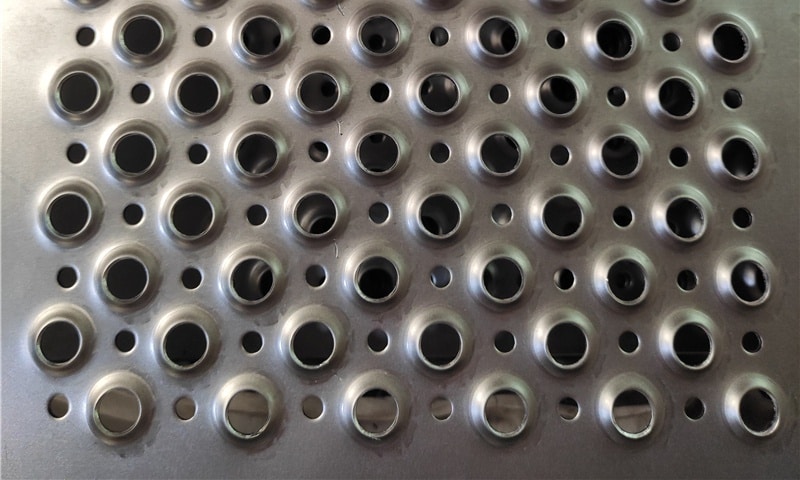
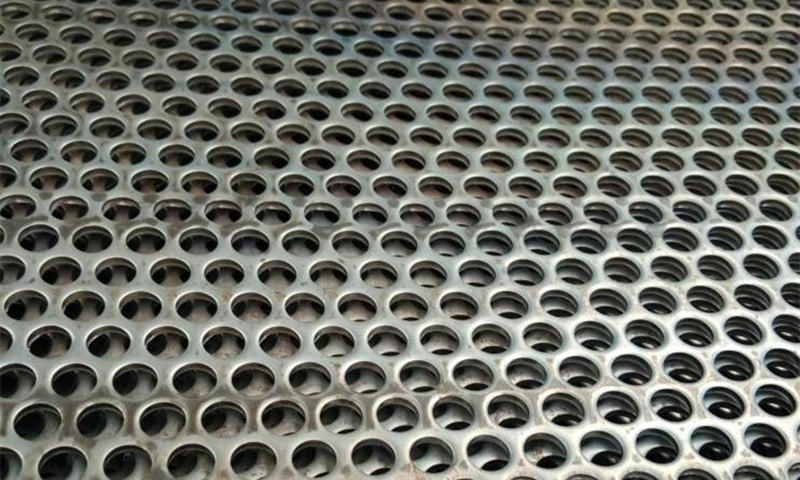
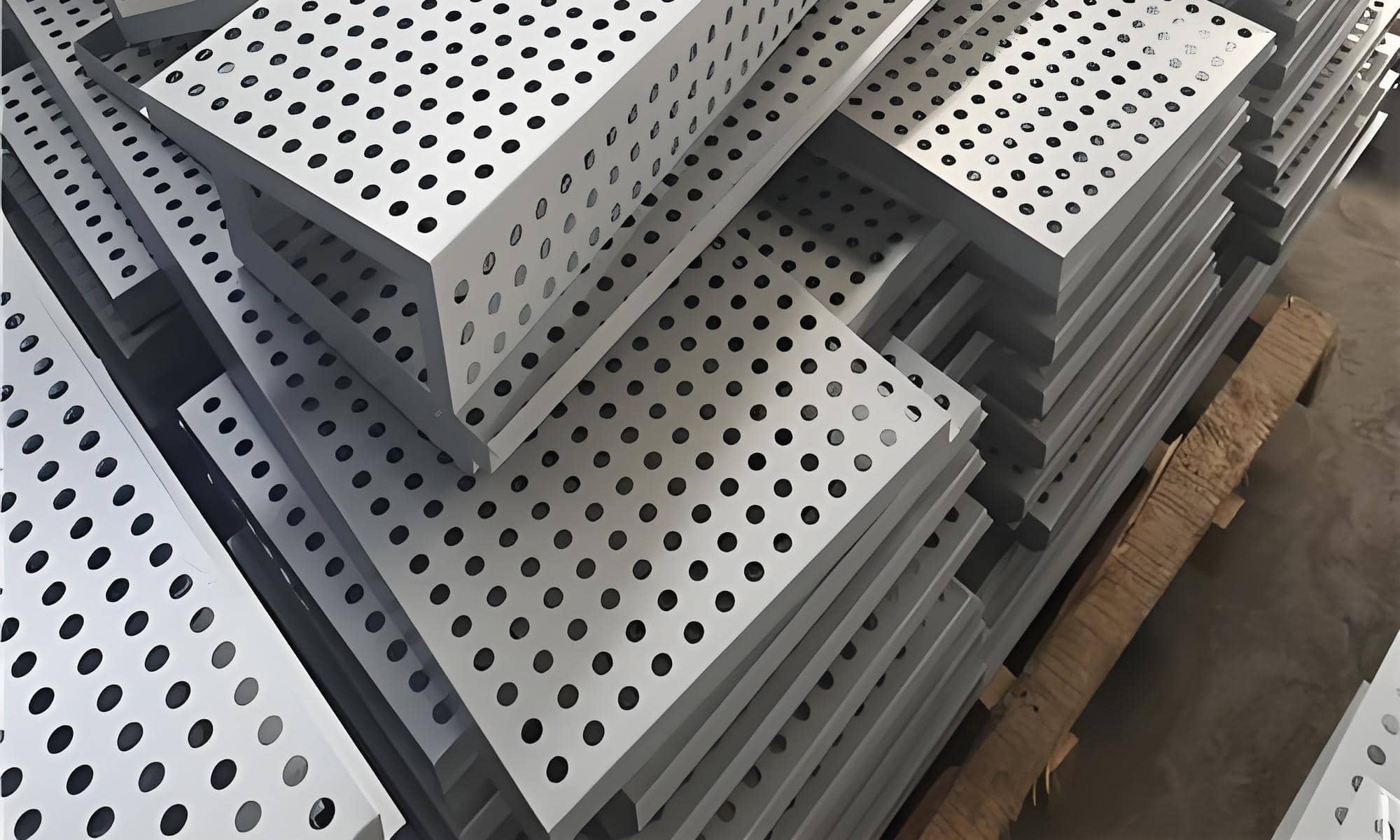
- Hole shape: round / square / slot / hex / decorative
- Hole size: diameter or slot width × length
- Pitch / center-to-center spacing: and whether it’s straight or staggered (60°)
If your design targets airflow or acoustics, also tell us the open area % or performance target. Two different patterns can look similar but perform very differently.
4) Sheet Size + Edge Margins (The Make-or-Break Detail)
Overall sheet size is not enough. We also need:
- Margins (unperforated borders): top/bottom/left/right, or a note like “full perforation except 1” border”
- Any safe edge distance requirement for fasteners, framing, or weld zones
- Orientation: should slots run long direction or short direction?
In CNC punching, edge margins influence nesting and scrap, and they’re one of the biggest drivers of “this doesn’t fit the frame” problems—especially when panels are installed in series.
Common Rework Points We See (So You Can Avoid Them)
These are the issues that trigger redraws, change orders, or the dreaded “can you remake these” email.
Open Area vs. Strength vs. Oil-Canning
High open area looks great and breathes well—but it reduces stiffness. Large perforated fields can warp during processing, handling, or finishing. If the panel will be visible, tell us your tolerance for waviness. Sometimes the fix is as simple as adjusting margin size, choosing a different pitch, or selecting a slightly thicker sheet.
Burr Direction and “Good Side” Requirements
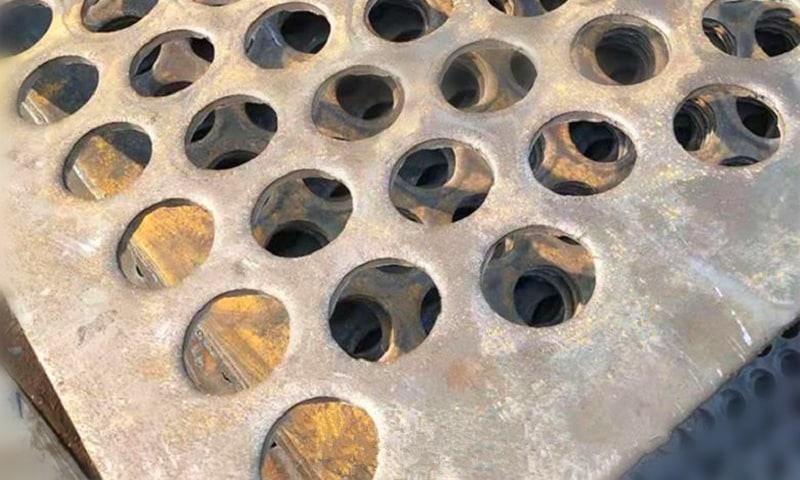
Perforation creates a shear—meaning there’s usually a preferred “show face.” If one side must be clean/smooth (architectural, touch-safe), specify:
- which side is the A-side (cosmetic side)
- whether deburring is required on one side or both
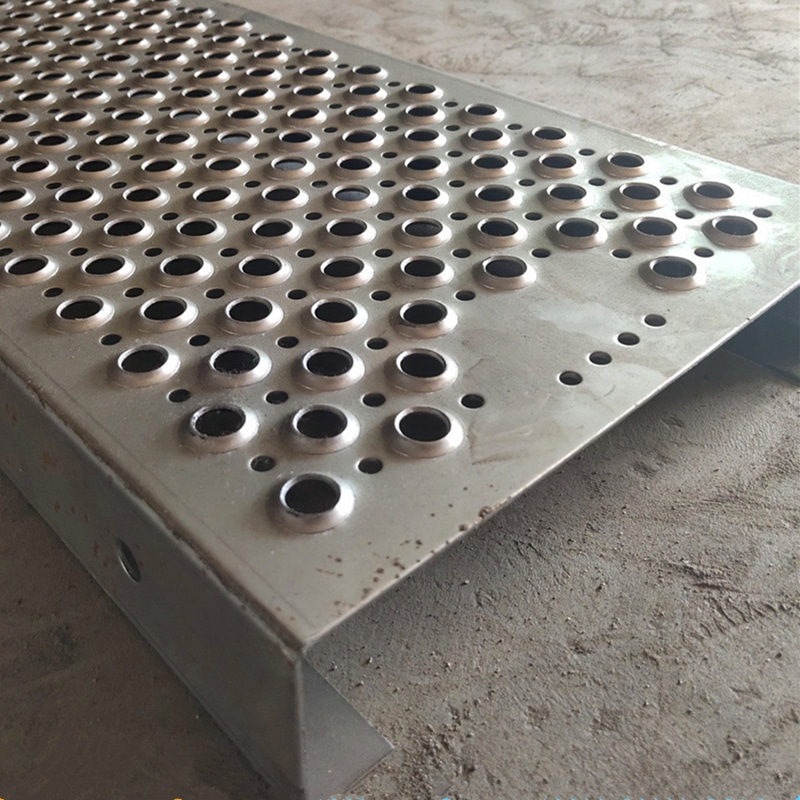
Post-Perforation Forming (Bending/Rolling)
If the part will be bent after perforation, we need to know:
- bend lines and bend radius targets
- whether holes can cross bend areas (often not recommended)
- minimum solid material needed near bends to prevent distortion
This one detail changes how we lay out the pattern and where we keep solid zones.
Finish Assumptions (Mill Finish vs. Powder Coat vs. Anodize)
Finishing can change appearance and tolerance stack-up. If you need consistent color and surface quality across batches, tell us the finish standard you’re targeting and whether color matching is critical.
Quantity and Repeat Schedule
A one-off prototype and a 2,000-sheet annual program should not be quoted the same way. Quantity affects:
- tooling strategy
- yield optimization
- inspection plan
- packaging method (to prevent cosmetic damage)
If you don’t know total quantity, share your best forecast (even a range helps).
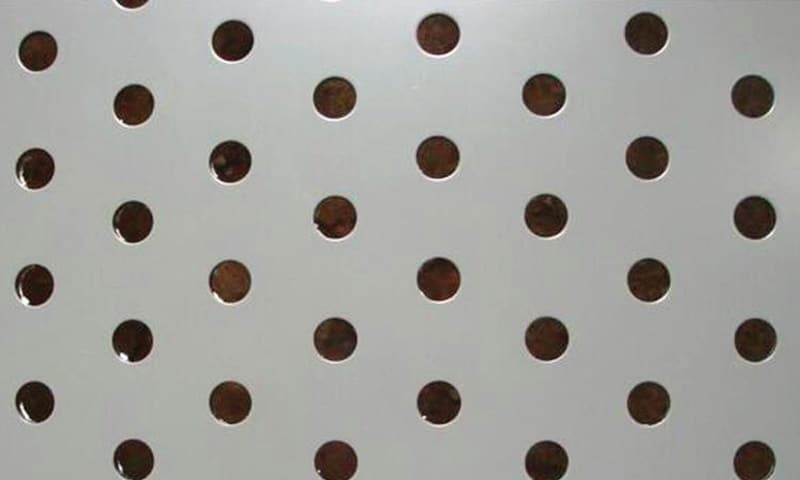
Copy/Paste RFQ Checklist for Perforated Aluminum Sheets
Use the list below as your RFQ template. If you send this in your email, most suppliers can quote quickly—and you’ll get fewer follow-up questions.
RFQ Checklist (Copy/Paste)
- Product: perforated aluminum sheet / perforated aluminium sheet
- Application: (cladding / screen / guard / enclosure / filtration / acoustic / other)
- Environment: (indoor / outdoor / coastal / chemical exposure)
- Alloy + temper: (e.g., 3003 H14, 5052 H32, 6061 T6)
- Thickness: (in / mm)
- Overall sheet size: (L × W) and tolerance if critical
- Hole pattern:
- shape: (round / square / slot / hex / custom)
- hole size: (Ø or W × L)
- pitch: (center-to-center)
- layout: (straight / staggered 60°)
- target open area % (if required):
- Margins / border: (top/bottom/left/right) or “full perforation” note
- Orientation: (pattern direction relative to L/W)
- Secondary ops: (cut-to-size, notching, forming, rolling, welding)
- Deburr requirement: (none / one side / both sides) + cosmetic “A-side”
- Finish: (mill / anodize / powder coat / other) + color requirements
- Quantity: (prototype qty + production qty) + repeat schedule if known
- Inspection needs: (critical dimensions, hole tolerance, flatness expectations)
- Packaging: (standard / interleaving film / edge protection)
- Delivery: (ship-to ZIP/country, required incoterms if applicable)
A Practical Note From the Shop Floor
In real production, the “best” perforated pattern is the one that hits your functional goal and runs reliably on the shop floor without creating distortion, scrap, or long lead times. When we quote a perforated aluminum sheet, we’re not just pricing material—we’re pricing a manufacturing method (tooling, punching time, handling, QC, and packaging) that determines whether your panels arrive ready to install.
If you send the four must-have parameters plus the checklist items you already know, you’ll get cleaner quotes, faster approvals, and fewer revisions—especially for multi-panel architectural or OEM programs.