Understanding Slip Risks in Factory Walkways
In manufacturing and processing facilities, walkways are exposed to far more than normal foot traffic. Oil mist, coolant spills, metal fines, condensation, and regular washdowns all contribute to one of the most common—and costly—safety risks in industrial environments: slips and falls.
Unlike office or commercial flooring, factory walkways demand engineered traction, predictable load performance, and long-term durability. This is where anti-slip walkway safety grating becomes a practical and proven solution for factories focused on operational safety, compliance, and uptime.
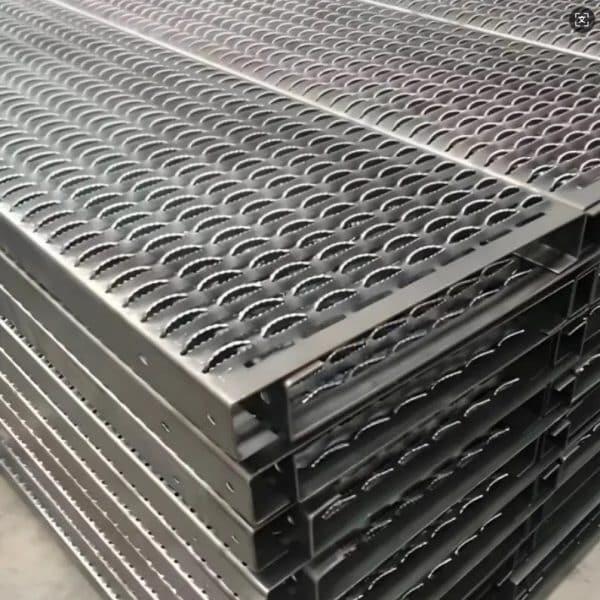
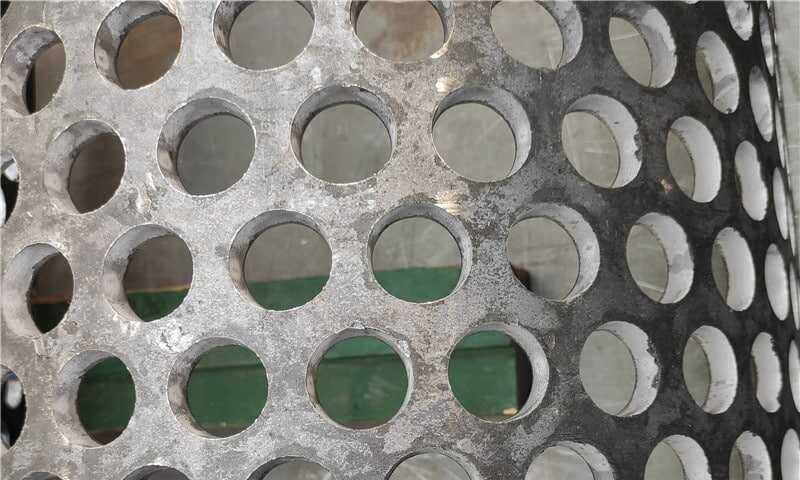
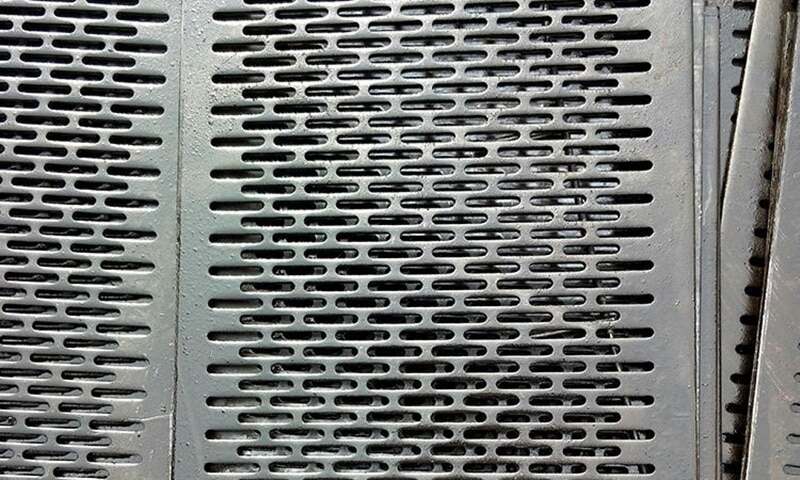
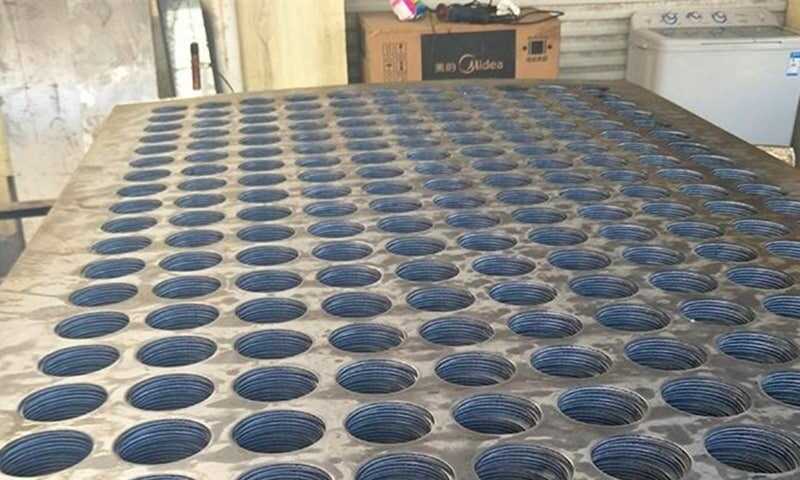
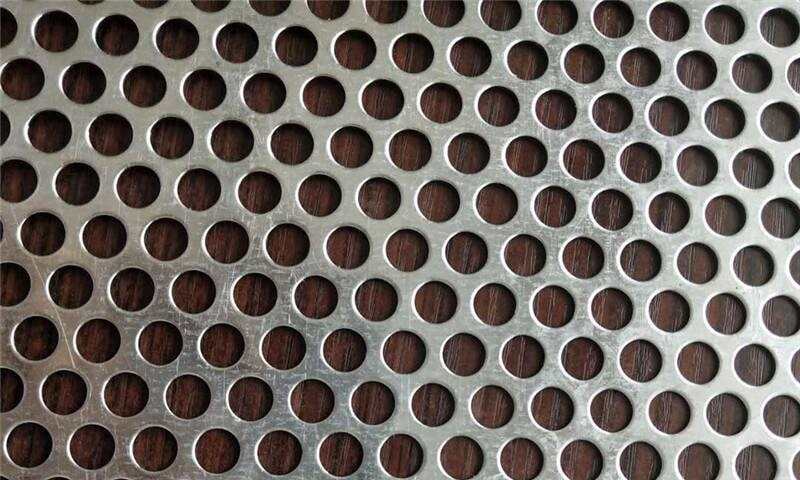
Perforated Safety Grating
Engineered perforated safety grating plate for industrial access systems.
Designed to provide slip resistance, drainage and structural strength in demanding environments such as manufacturing plants, utilities and processing facilities.
Commonly specified for:
- Stair treads and step assemblies
- Elevated walkways and access platforms
- Industrial ramps and service catwalks
Available in multiple metals and custom-fabricated to project requirements.
You can click on the product image to view the specific producible parameters or place an order.
Why Anti-Slip Safety Grating Outperforms Traditional Flooring
Standard concrete coatings, rubber mats, or painted floors may offer short-term grip, but they often degrade under heavy loads, chemical exposure, or abrasive debris. Perforated safety grating is designed specifically for these harsh conditions.
Key performance advantages include:
- Consistent slip resistance even in wet or oily conditions
- Open surface design that allows liquids and debris to drain through
- High load-bearing capacity suitable for carts, pallets, and foot traffic
- Minimal maintenance compared to coated or layered flooring systems
This combination makes industrial non-slip grating especially effective for production lines, service corridors, mezzanines, and elevated platforms.
Comparing Anti-Slip Performance Levels
Not all factory environments face the same slip risks. Selecting the right factory safety flooring starts with understanding anti-slip performance levels.
Light Anti-Slip (Dry or Low-Risk Areas)
Used in areas with minimal liquid exposure, such as inspection walkways or assembly lines, light anti-slip perforations provide basic traction without aggressive surface texture.
Medium Anti-Slip (General Production Areas)
This is the most common choice for factory walkways. It balances comfort and grip, making it suitable for areas with occasional oil, water, or dust contamination.
High Anti-Slip (Wet, Oily, or Washdown Zones)
Designed for high-risk environments such as food processing plants, metalworking shops, or chemical facilities. Aggressive perforation patterns and formed tread profiles significantly reduce slip potential, even under continuous moisture.
Selecting the correct anti-slip level helps facilities meet safety standards without overengineering or unnecessary cost.

Engineered for Safety, Built for Operations
From an engineering standpoint, anti-slip walkway safety grating is not just about surface texture. Load ratings, deflection control, edge reinforcement, and material selection all play a role in long-term performance.
Common material options include:
- Hot-dip galvanized steel for corrosion resistance and heavy-duty use
- Aluminum safety grating for lightweight platforms and elevated structures
- Stainless steel for hygiene-critical or corrosive environments
Properly specified grating integrates seamlessly into existing factory layouts and can be fabricated to match platform widths, support spans, and local safety codes.

Safety Compliance and Long-Term Value
Slip and fall incidents lead to more than injuries—they disrupt production and increase insurance and compliance costs. Installing factory-grade anti-slip grating is a preventive investment that supports:
- OSHA-aligned safety practices
- Reduced accident-related downtime
- Improved worker confidence and mobility
- Lower long-term maintenance expenses
For B2B buyers, this translates to measurable ROI and a safer, more resilient facility.
Choosing the Right Partner for Factory Safety Grating
Reliable performance starts with experienced manufacturing. Precision CNC punching, controlled forming processes, and consistent quality standards ensure that industrial non-slip grating performs as specified—batch after batch.
Working with a supplier that understands both factory operations and safety engineering helps buyers avoid mismatched specifications, installation issues, and premature wear.