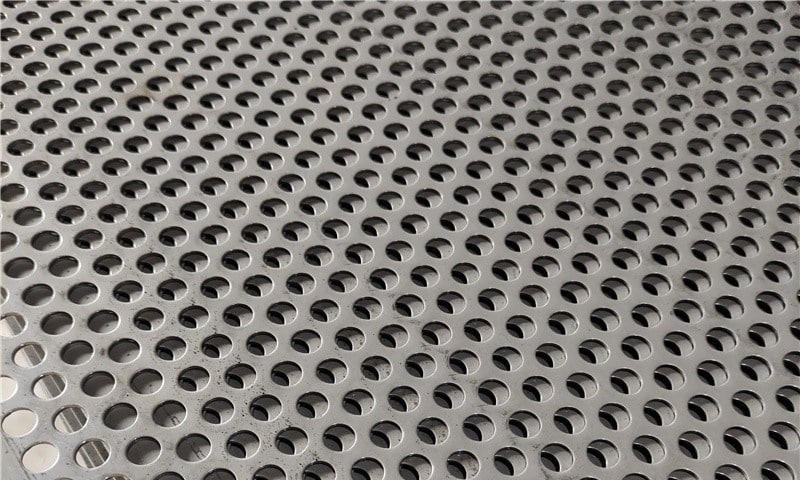
Overview: why anti-slip walkway safety grating matters in factories
In busy industrial environments, a slip is rarely just a trip — it’s lost production time, potential injury, and a hit to your safety record. For facility managers, plant engineers, and procurement teams making B2B decisions, choosing the right anti-slip walkway safety grating is a practical, measurable way to reduce incidents across conveyors, maintenance platforms, mezzanines, and routine walkways. This article explains — from both technical and market perspectives — how different anti-slip grades perform, what to specify, and how to quantify value for your operation.
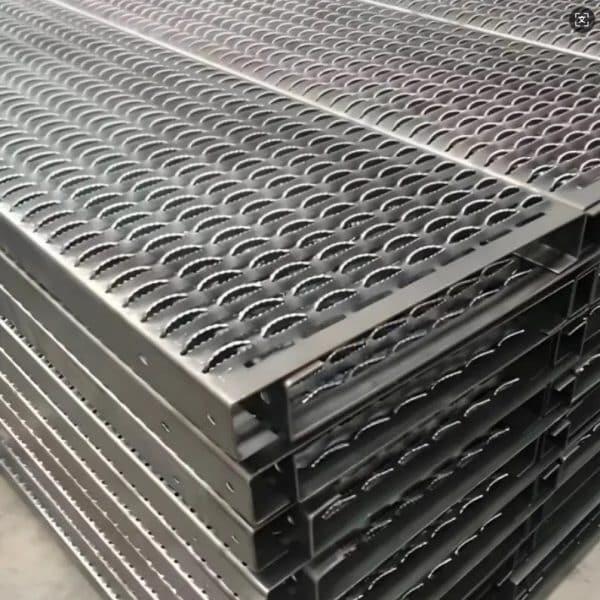
Perforated Safety Grating
Engineered perforated safety grating plate for industrial access systems.
Designed to provide slip resistance, drainage and structural strength in demanding environments such as manufacturing plants, utilities and processing facilities.
Commonly specified for:
- Stair treads and step assemblies
- Elevated walkways and access platforms
- Industrial ramps and service catwalks
Available in multiple metals and custom-fabricated to project requirements.
You can click on the product image to view the specific producible parameters or place an order.
The slip-risk picture in factory settings
Typical hazards and where grating helps
Factories present a mix of contaminants (oils, coolants, dust), temperature cycles, and foot-traffic patterns that make conventional flooring vulnerable. Perforated and serrated safety grating:
- improves traction under wet or oily conditions,
- allows quick drainage and debris pass-through,
- resists edge buildup that causes sudden slips.
Using factory safety flooring like perforated safety grating at step-downs, ramps, and service platforms targets the highest-risk zones and supports a layered safety strategy.
Comparing anti-slip grades: light, medium, heavy duty
How grades translate to use-cases
- Light duty (low-profile anti-slip): Suitable for low-footfall access platforms, inspection corridors, and areas with minimal fluid exposure. Lower cost, easier to cut and fit.
- Medium duty (standard industrial): The most common choice for production walkways, maintenance aisles, and areas with intermittent spills. Balances grip, load-carrying ability, and cost.
- Heavy duty (high anti-slip): Used where forklifts or heavy traffic occur, or where aggressive grit or serration is required (e.g., foundries, steel mills). Prioritize thicker material and robust attachment systems.
Key performance metrics to compare
When evaluating options, ask suppliers for:
- Open-area percentage and perforation pattern (drainage vs. support),
- Static and dynamic coefficient of friction (COF) or a recognized slip-rating,
- Load-bearing capacity (span tables or test data),
- Corrosion resistance and finish (galvanized, stainless, polymer-coated).

Technical considerations for specifying grating
Materials, finishes, and why they matter
Common materials include mild steel (galvanized), stainless steel (304/316), and aluminum. Choose based on:
- Corrosive environment (stainless for chemical exposure),
- Required service life (galvanized can be cost-effective in dry environments),
- Weight constraints (aluminum for weight-sensitive structures).
Standards and compliance
Specify grating that aligns with workplace safety guidance and recognized industrial standards. Where applicable, ensure materials and installation follow industry guidance such as OSHA recommendations for walking-working surfaces and recognized testing protocols from organizations like ANSI. Request supplier test reports or certificates when compliance is a procurement criterion.
Designing for performance: pattern, span, and attachment
Perforation size and pattern affect both traction and debris shedding. Smaller perforations increase support but reduce drainage; larger holes improve cleaning and grit pass-through. For walkways you’ll want a balanced open area (for drainage) and sufficient bearing surface (for footwear comfort and load distribution). Attachment details (welded edges, bolted nosing, anti-lift clips) are critical for long-term safety — a loose panel is a hazard no specification can excuse.

Market & procurement: buying for long-term value
Total cost considerations
Unit price is only the start. Factor in:
- installation labor and retrofit complexity,
- maintenance frequency and cleaning costs,
- downtime risk reduction (fewer slip incidents),
- lifecycle and corrosion replacement schedules.
Well-specified industrial non-slip grating often delivers stronger ROI by reducing lost time, insurance exposure, and safety-related wear on equipment.
What to request in an RFQ
Provide vendors with a clear spec to get like-for-like quotes:
- intended location and typical contaminants,
- required load class or expected live loads,
- preferred material/finish,
- slip rating or COF target and testing standard,
- installation constraints (span, edge treatments, fall-protection interface).
Maintenance, inspection, and lifecycle tips
Regular inspection (quarterly or per-shift in high-use zones) should check for corrosion, loose fasteners, and surface wear. Cleaning frequency depends on contaminants — oil and fine dust often require more aggressive, scheduled cleaning to keep anti-slip properties consistent. Document inspections and repairs: this documentation not only supports safety audits but also demonstrates E-E-A-T level diligence to auditors and clients.
Quick spec checklist (for engineering teams)
- Material & grade (e.g., galvanized steel, 304 SS)
- Perforation pattern & open area %
- Thickness and span table references
- COF or anti-slip grade target (supplier test data)
- Edge/nosing design and attachment method
- Corrosion protection & finish
- Compliance/test certificates (OSHA/ANSI where applicable)
Final note — bridging technical and commercial perspectives
Selecting the right anti-slip walkway safety grating is an engineering decision with commercial consequences. Spec it like you would any structural component: define the environment, quantify the loads and contaminants, require test data, and evaluate total lifecycle cost. When your spec balances material choice, slip resistance, and maintainability, you don’t just buy flooring — you reduce risk, protect people, and keep production humming.