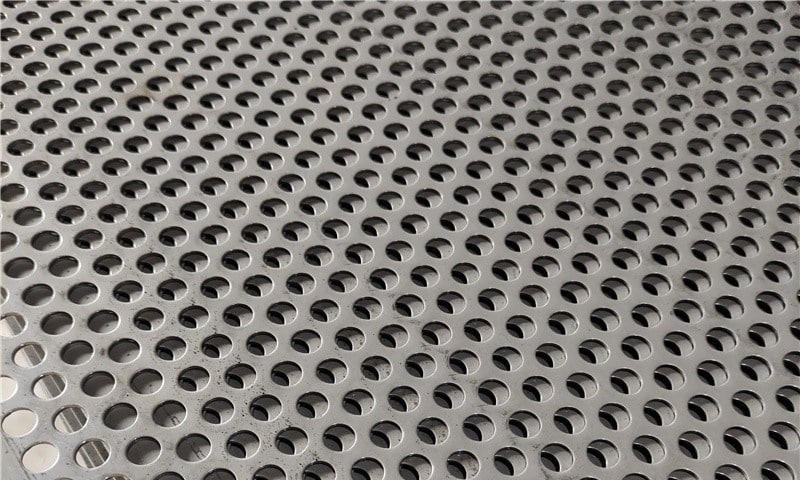
What “Service Life” Really Means for 304 Perforated Sheets
When buyers ask how long 304 stainless steel round hole perforated sheets last, they’re usually trying to avoid two expensive surprises: premature corrosion and distortion that ruins fit-up. In most “ordinary” industrial environments—think indoor plant floors, general manufacturing, warehousing, equipment guards, filtration housings, and architectural interior use—304 is a workhorse alloy that can deliver a long, stable service life when the design and maintenance are handled correctly.
From the CNC punching side, I always frame durability around four things that matter more than any brochure promise:
- Environment exposure (chlorides, chemicals, humidity, temperature cycling)
- Material & finish (true 304 chemistry, surface condition, passivation)
- Sheet geometry (thickness, open area, hole pitch, edge distance)
- Handling & upkeep (cleaning habits, avoiding contamination, fastener choice)
Get those right, and round hole perforated sheets made from 304 typically hold up extremely well in day-to-day industrial use.

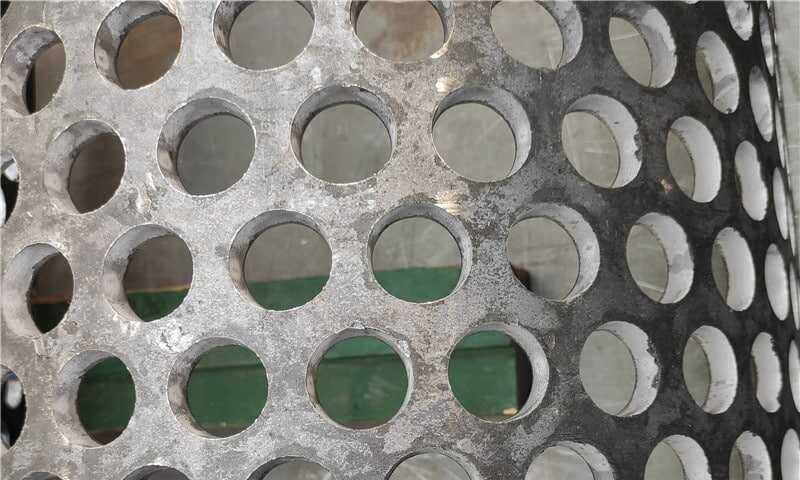
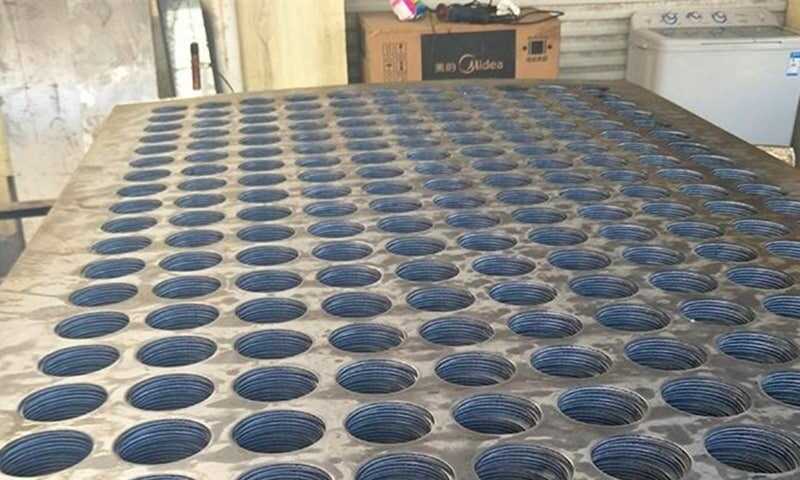
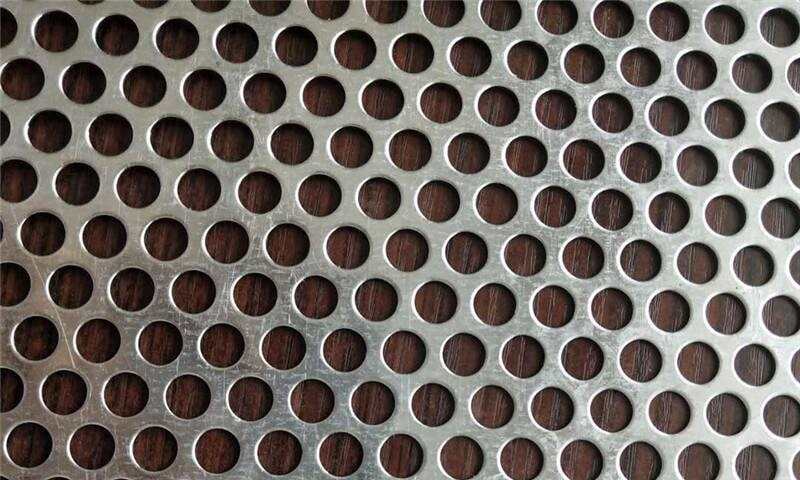
Round Hole Perforated Metal Sheets
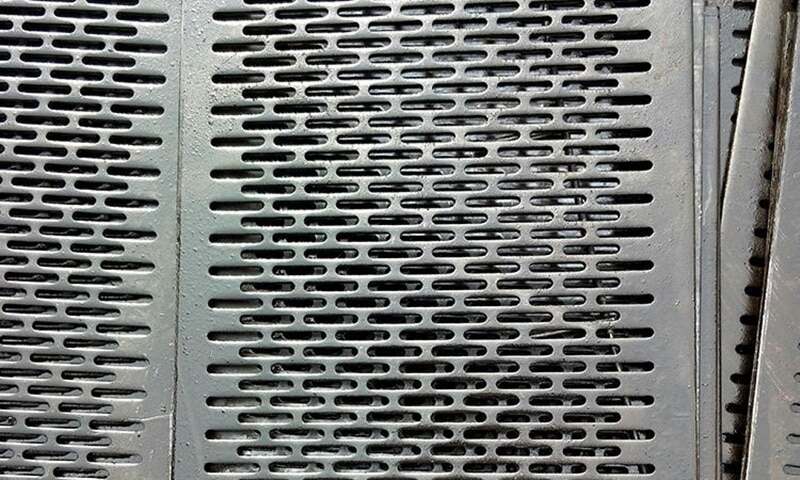
Custom perforated metal sheets with precise hole patterns in various materials: stainless steel, aluminum, galvanized steel, carbon steel, copper, brass, and plastic. Durable and corrosion-resistant.
Perfect for architectural screens, machinery guards, acoustic panels, and decorative elements. Factory-direct pricing with cutting/bending services. Request quote or sample today.
Typical Lifespan in Ordinary Industrial Environments
In “normal” indoor industrial conditions—moderate humidity, non-chloride cleaning, no constant chemical splash—304 stainless steel is widely selected because it resists oxidation and general corrosion without coatings. Practically speaking, you can expect 304 round hole perforated panels to remain functional and presentable for many years, often well beyond the replacement cycle of the equipment around them.
That said, “how long” depends on what you mean by failure:
- Cosmetic change (fingerprints, tea staining, light discoloration): may appear early if cleaning is neglected or if the area is humid.
- Functional degradation (pitting, thinning, loss of strength): usually tied to chloride exposure, chemical attack, or embedded iron contamination.
- Mechanical issues (oil-canning, vibration fatigue, fastener pull-through): more about panel design than corrosion.
For B2B buyers, the best approach is to specify the environment and success criteria up front: “must remain rust-free,” “must keep airflow rate,” “must stay flat within tolerance,” etc. That’s how you align material choice, thickness, and hole pattern with real-world performance.
Why 304 Holds Up Well (and When It Doesn’t)
304 is an austenitic stainless steel with chromium and nickel that forms a protective passive film in oxygenated environments. That film is the reason stainless stays stainless.
The common durability advantages of 304 perforated sheet
- Strong corrosion resistance in general indoor industrial air
- Good performance in mild outdoor exposure (depending on location)
- No paint system to chip or delaminate
- Good formability for perforated components that need bending or rolling
The most common real-world reasons 304 fails early
- Chlorides: salt air, road salt, brine, some cleaners, certain process water
- Harsh chemicals: strong acids/alkalis, aggressive detergents, repeated splash zones
- Heat tint / weld scale left untreated: can reduce corrosion resistance locally
- Iron contamination: carbon steel grinding dust, shared tooling, dirty racks
- Crevice conditions: tight overlaps, wet insulation, trapped moisture behind panels
If you’re anywhere near coastal air, frequent washdowns, or chloride-bearing cleaners, it’s worth evaluating 316. But for ordinary indoor industrial applications, 304 remains one of the most cost-effective and durable options for round hole perforated metal sheets.
Design Factors That Directly Affect Durability
Even with the same alloy, perforated sheet performance can vary a lot depending on how it’s designed and fabricated.
Thickness, open area, and flatness
Higher open area (larger holes, tighter pitch) reduces stiffness. In guarding, screens, and HVAC applications, we often see “durability complaints” that are actually panel deflection problems—not corrosion.
Practical rule: if the panel must stay flat, consider a thicker gauge, add returns/flanges, or use framing. A perforated sheet is not the same as solid sheet at the same thickness.
Edge distance and hole-to-edge integrity
Round hole patterns too close to the edge can create weak borders, especially where fasteners land. If fasteners pull through or edges crack during installation, it gets blamed on “material quality” when it’s often a layout issue.
Fabrication quality: burr control and surface condition
With CNC punching, you’ll have a punch side and die side. Burrs aren’t just a handling issue; they can hold dirt and moisture, and they complicate cleaning. If the application involves hygiene or frequent cleaning, specify deburring and a finish that supports easy wipe-down.

Maintenance That Extends Service Life (Without Making It a Big Project)
Most customers don’t need an elaborate maintenance plan for 304 perforated stainless. They need a few habits that prevent the common “avoidable” problems.
Cleaning: simple, consistent, and chloride-aware
- Use mild soap or a non-chloride cleaner with warm water
- Rinse thoroughly and dry when possible (especially in humid areas)
- Avoid bleach-based products unless you’re certain they’re stainless-safe and properly diluted/rinsed
- Clean with the grain if the sheet has a directional finish
Prevent iron contamination
One of the fastest ways to make stainless look like it’s rusting is to expose it to carbon steel dust. In mixed-metal shops, I recommend:
- Separate storage racks for stainless vs. carbon steel
- Dedicated brushes and polishing media for stainless
- Clean packaging and protective film during transport and install
Fasteners and contact materials matter
If you’re mounting 304 stainless steel round hole perforated sheets to other metals, think about:
- Using stainless fasteners where appropriate
- Avoiding trapped moisture at overlaps (use spacers/drain paths)
- Managing dissimilar metal contact in wet conditions
When to Consider Upgrading from 304 to 316
If you’re on the fence, here are the situations where 316 often earns its premium:
- Coastal or marine exposure
- Frequent washdowns with chloride-bearing cleaners
- Food processing areas with aggressive sanitation routines
- Chemical splash or mist (even intermittent)
- Outdoor installations in heavy de-icing salt regions
If none of those apply, 304 is usually the right balance of durability and cost for stainless steel round hole perforated sheets used in general industrial settings.
What to Tell Your Supplier for a More Accurate Durability Recommendation
When we quote perforated sheet for industrial customers, the most useful details are:
- Indoor vs. outdoor, and the approximate humidity/temperature range
- Any cleaning chemicals used (even “light duty” ones)
- Whether the panel is structural, cosmetic, or both
- Required flatness and how it will be supported
- Desired finish (2B, brushed, polished) and whether passivation is needed
The more specific the application, the more precisely we can match thickness, hole pattern, and finishing steps to the durability you expect.
Bottom Line: A Practical Expectation for Ordinary Industrial Use
For typical indoor industrial environments, 304 stainless steel is a reliable long-term choice for round hole perforated panels—especially when the design supports stiffness and the maintenance avoids chlorides and contamination. Most early issues come from the environment (salts/chemicals), preventable surface contamination, or panel design choices that sacrifice rigidity for open area.
If you’re designing for airflow, screening, guarding, or filtration and want a panel that lasts, 304 is usually a strong default—just make sure it’s specified and handled like stainless from day one.