Industrial Applications Shape the Material & Process
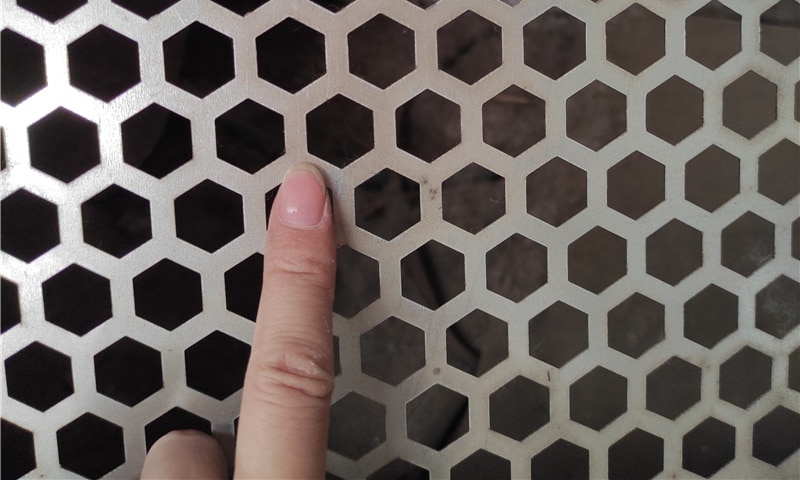
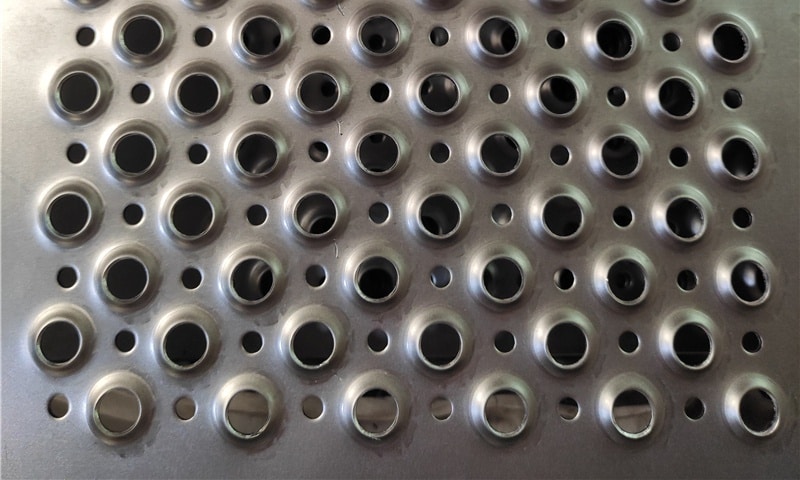
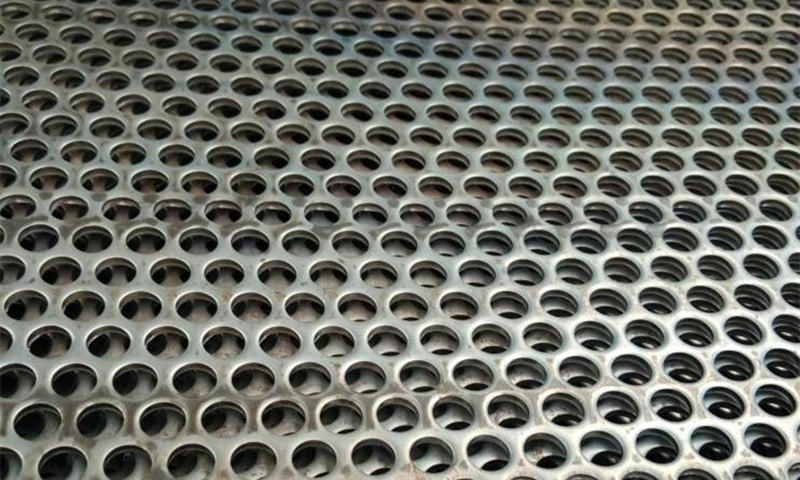
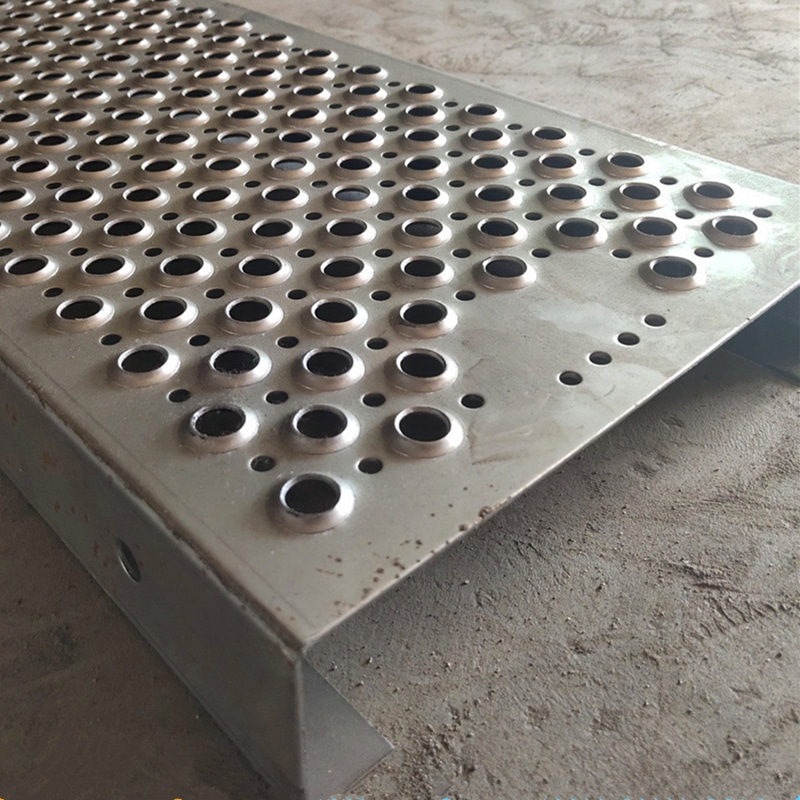
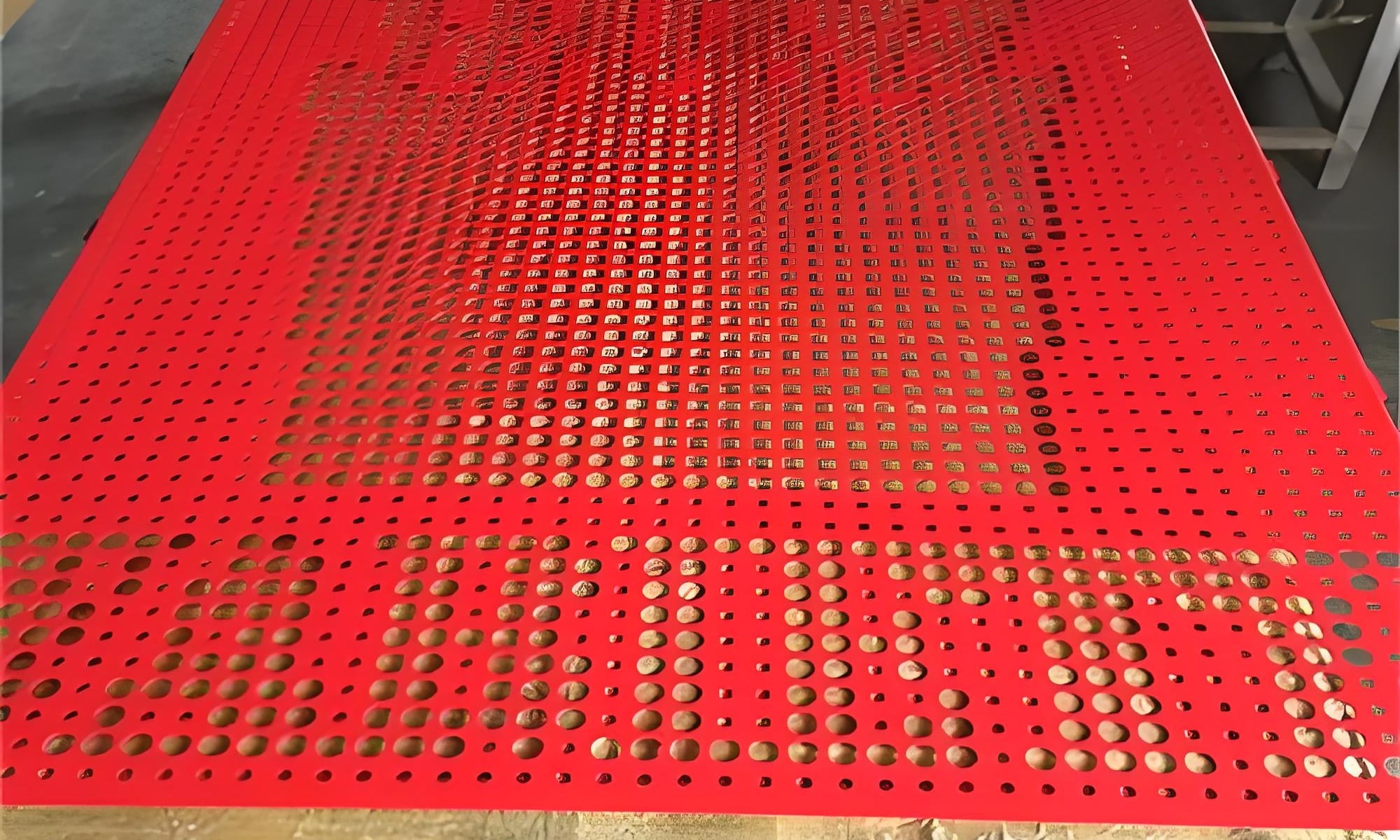
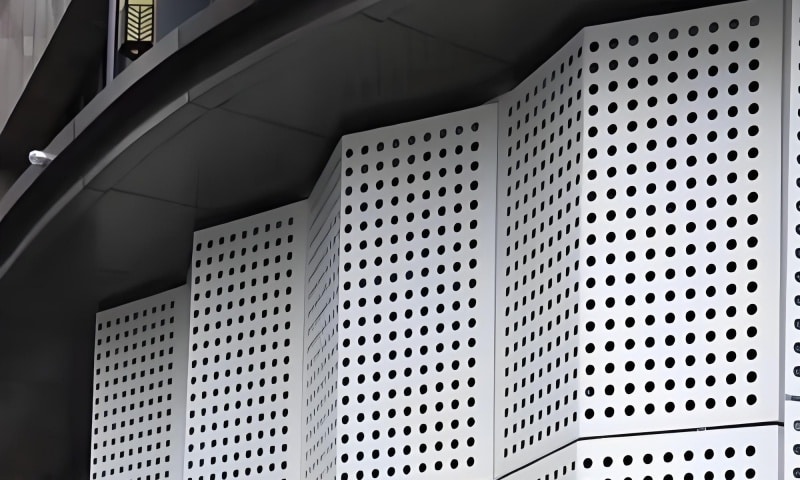
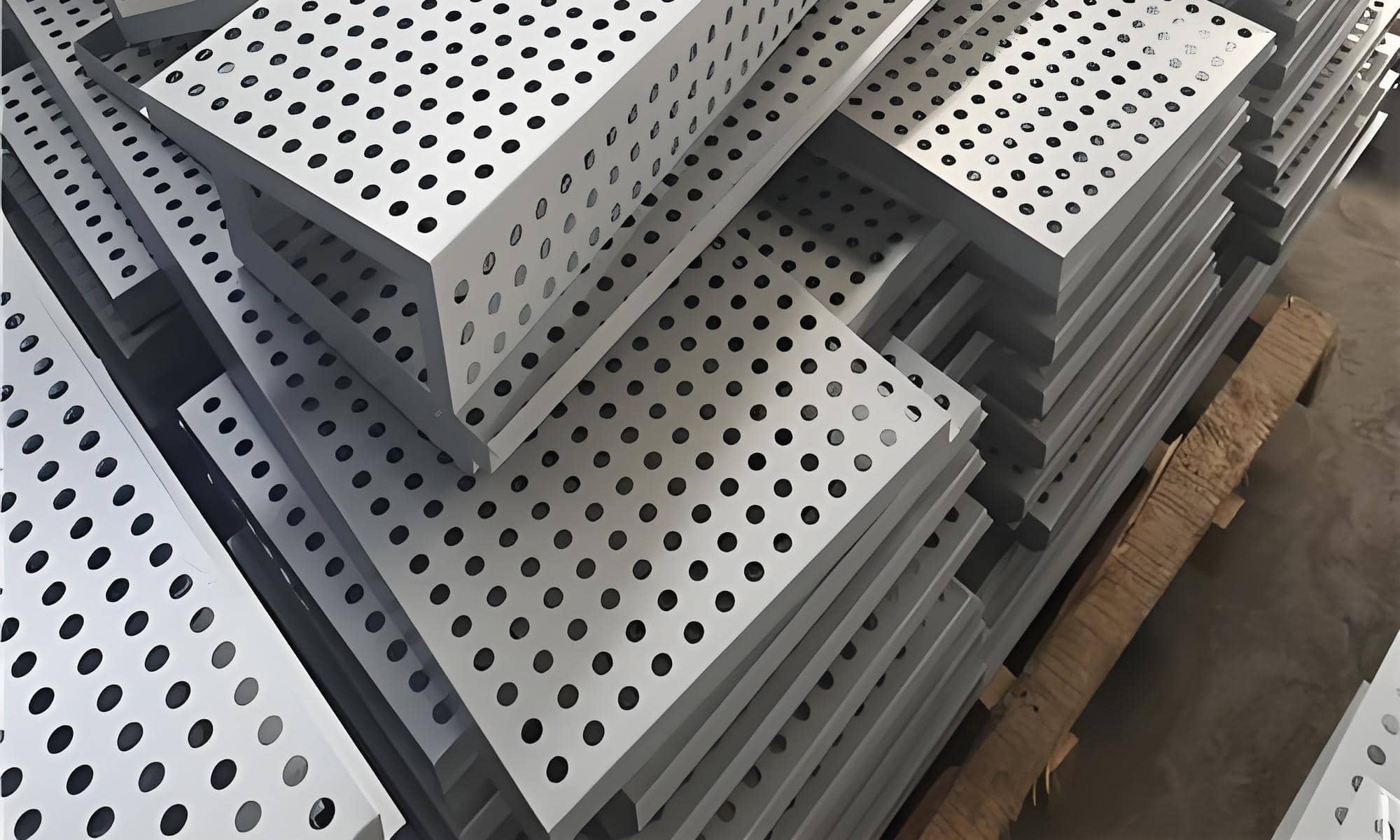
Galvanized round hole perforated metal is widely used for industrial protection, ventilation, filtration, and enclosure panels across mechanical, HVAC, agricultural machinery, construction, and electrical equipment.
For international OEM buyers, the key question is not simply “galvanized or not”, but how the galvanizing was applied and at what process stage — before or after perforation.
2. Two Main Choices: Perforating Galvanized Coil vs. Hot-Dip Galvanizing After Perforation
Today most export buyers face two options:
- Option A — Coil-Based Galvanized Perforated Sheets
- Option B — Hot-Dip Galvanized Perforated Steel Plates
Both are galvanized steel, but they are not interchangeable and serve different industrial logic.

Round Hole Perforated Metal Sheets
Custom perforated metal sheets with precise hole patterns in various materials: stainless steel, aluminum, galvanized steel, carbon steel, copper, brass, and plastic. Durable and corrosion-resistant.
Perfect for architectural screens, machinery guards, acoustic panels, and decorative elements. Factory-direct pricing with cutting/bending services. Request quote or sample today.
3. Coil-Based Galvanized Perforated Sheets (Pre-Galvanized)
This option uses galvanized steel coil as the base material:
Processing routes can be:
- Cut-to-length (CTL) and perforate
- Coil-to-coil perforating
Both methods are common for thin gauge materials typically 0.3–1.5mm, especially when used for:
- machine ventilation panels
- HVAC equipment components
- enclosure screens
- agricultural machinery panels
- construction ventilation panels
- electrical cabinet perforations
Depending on capacity and tooling, factories either perforate directly from coil or open the coil first and cut into sheets.
This gives buyers better flexibility in:
- sheet size
- hole size / pitch
- batch quantity
- OEM customization
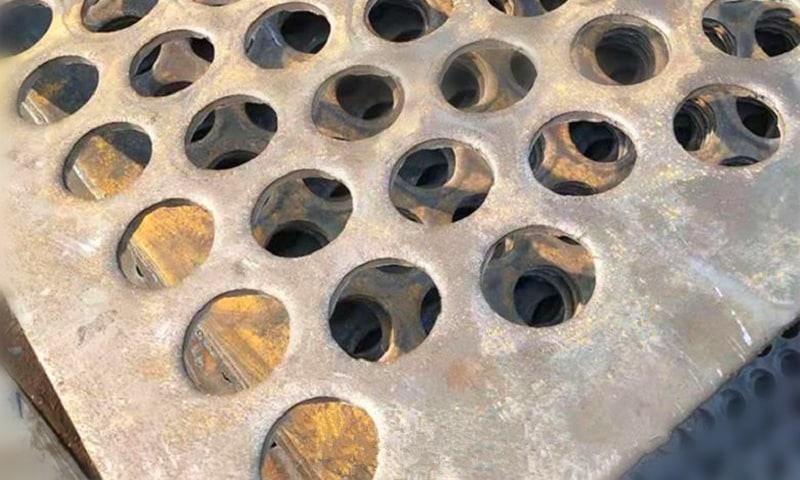
4. Hot-Dip Galvanized Perforated Steel Plates (Post-Galvanized)
Hot-dip galvanized perforated plates follow a different route and material logic.
Typically they start from:
hot-rolled steel coil → CTL sheets → perforating → hot-dip galvanizing

These plates are usually thicker (≥2mm) because:
- thin plates deform in hot-dip bath
- molten zinc causes warpage & run-offs
- uneven coating destabilizes thin materials
So hot-dip perforated plates are preferred for structural & protective uses such as:
- industrial protection screens
- fencing panels
- construction platforms
- outdoor machinery protection
- heavy-duty ventilation & filtration
- infrastructure applications

5. Why Thin Pre-Galvanized Coils Cannot Replace Hot-Dip
Choosing between both is often about trade-offs:
| Factor | Coil Perforation | Hot-Dip |
|---|---|---|
| Thickness | Thin | Thick |
| Corrosion Resistance | Good | Excellent |
| Outdoor Weathering | Medium | High |
| Deformation Risk | Low | High (thin plates) |
| Cost | Lower | Higher |
| Surface | Smooth | Rough / run-off |
| OEM Customization | More flexible | Less flexible |
6. Corrosion at Hole Edges: A Reality Buyers Must Accept
Many export buyers ask why coil-based galvanized perforated sheets show corrosion at hole edges over time.
The industrial explanation is simple:
the zinc layer is applied before perforation, so the punched edges are exposed steel.
This is normal, and universally accepted in OEM sourcing unless outdoor heavy corrosion resistance is required.
7. Final Procurement Logic (For Export Buyers)
Use coil perforated galvanized sheet if:
- thin gauge
- OEM customization
- ventilation & filtration
- indoor or controlled environment
Use hot-dip perforated plates if:
- thick gauge
- outdoor environment
- structure + protection
- corrosion-critical applications
8. Conclusion
There is no “better” option — only process-to-application matching.
- Thin coils = OEM + ventilation + filtration + equipment
- Hot-dip = outdoors + structural + protection + long-term corrosion resistance