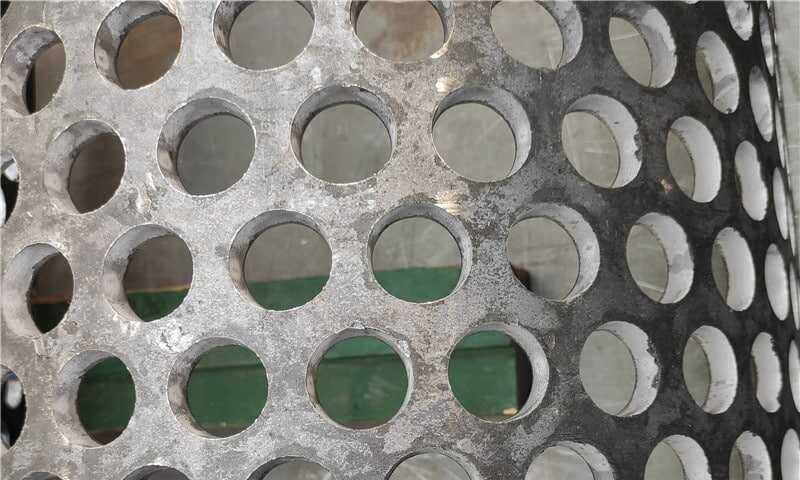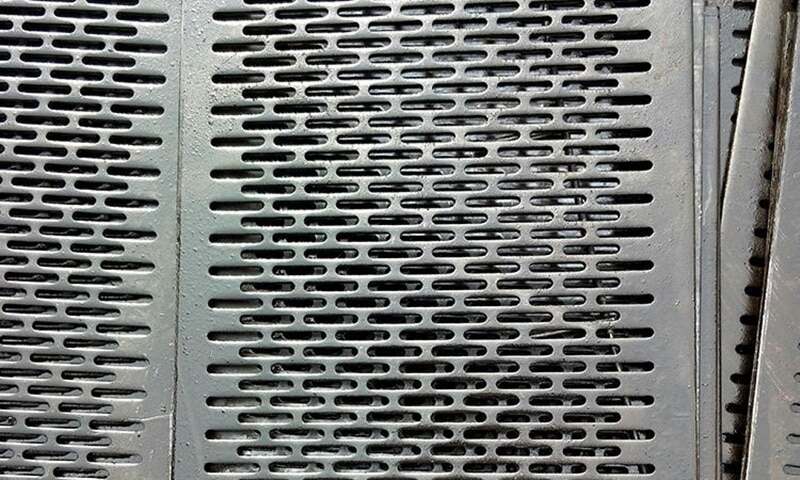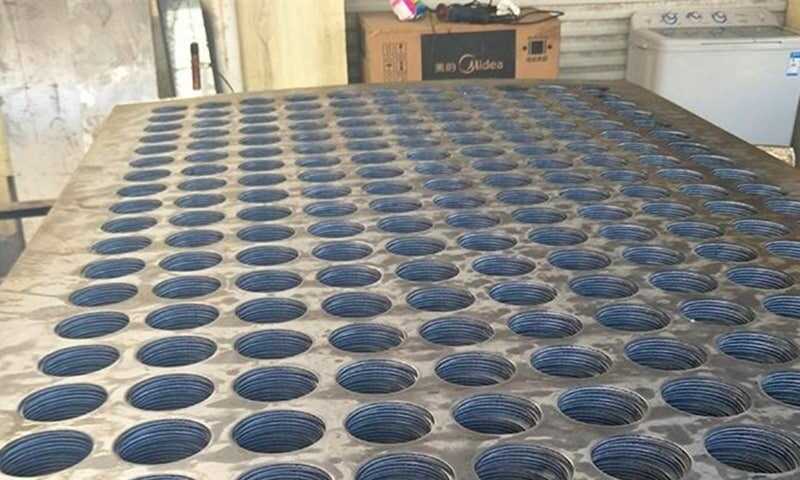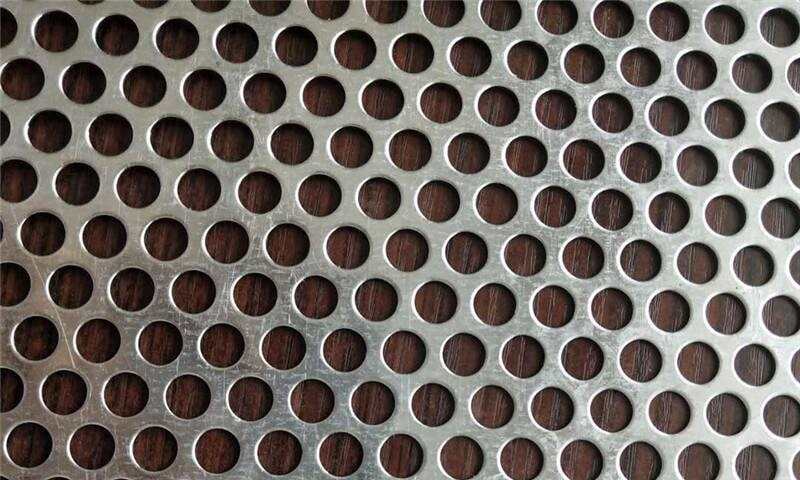
Selecting heavy gauge perforated plate thickness is not a cosmetic choice: heavy duty refers to the performance requirement (load, rigidity, wear life), while heavy gauge denotes the thickness category you specify to meet that performance. This guide (2.75–30mm range) explains how to translate application demands — load, span, and mounting — into a practical thickness selection and what to confirm with your supplier before release-to-manufacture.

Heavy Duty Perforated Plates
Need a thick perforated plate made to drawing? Our program supports 2.75–30mm thickness, up to 6000×1500mm, with round/square/hex/slotted patterns, plus cut-to-size and surface protection for industrial installations.
Key performance drivers (what forces the thickness decision)
Load, span and support conditions
- Load type: point loads (concentrated), distributed loads (uniform), impact or cyclic loading.
- Span: unsupported span between supports or stiffening members; longer spans increase required plate thickness or demand additional framing.
- Mounting: edge-supported panels, framed panels, bolted-on guards, or welded structural plates — mounting changes how the plate carries load and therefore the required thickness.
Operational factors that influence thickness
- Service life / wear: abrasive environments or heavy foot/vehicle traffic typically push toward thicker gauges.
- Vibration & fatigue: cyclic loading needs extra thickness or added stiffeners.
- Corrosion allowance: for aggressive environments select material + thickness that include an allowance for long-term corrosion or protective coatings.
Recommended thickness use-cases (practical guidance for 2.75 / 6 / 10 / 20 / 30 mm)
These are typical application buckets to help engineers and buyers narrow choices. Final selection must consider exact loads, hole pattern, and supplier capacity.
- 2.75 mm — light heavy-gauge applications
- Typical use: ventilation screens, light guards, decorative industrial grille where moderate rigidity required but weight and cost matter.
- Best when supported closely by frame or on short spans.
- Common materials: mild steel, aluminum, stainless for corrosion resistance.
- 6 mm — medium-duty platforms and guards
- Typical use: walkways with frequent foot traffic, machine guards, moderate structural panels.
- Appropriate for moderate spans or when hole pattern reduces effective section; use framing if spans exceed design limits.
- Fabrication: punching and leveling are routine; verify acceptable hole sizes and pattern density for structural performance.
- 10 mm — robust structural panels
- Typical use: heavy walkways, access platforms, support decks, and protective cladding for equipment.
- Chosen when load or span is significant and stiffness is required without added substructure.
- Note: hole geometry and open area materially affect stiffness — larger holes reduce effective section.
- 20 mm — load-bearing structural perforated plates
- Typical use: short-span load-bearing panels, heavy equipment housings, support plates and structural infill where the plate contributes directly to load path.
- For welded or bolted structural connections; specify flatness and edge quality to make field fit-up reliable.
- 30 mm — extreme heavy-duty / structural core plates
- Typical use: primary structural elements, heavy machinery base plates, or application where plate must resist high compressive or impact loads with minimal deflection.
- Typically require heavier handling and may need bespoke punching/laser cutting and machining.
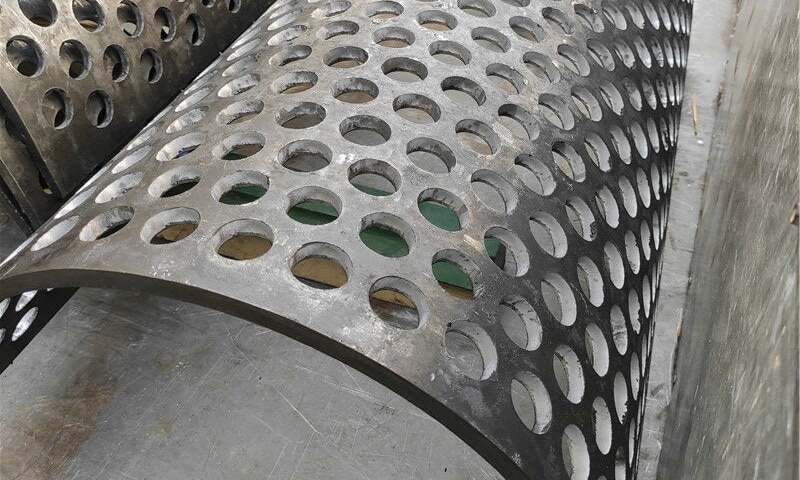
Hole pattern, open area and effective section
- Hole type and size (round, square, slotted, hexagonal) change the residual section and stiffness. Denser patterns or larger holes reduce load capacity even at the same nominal thickness.
- When calculating capacity, treat the perforated plate as a reduced-section member: confirm engineering calculations with the vendor using the intended hole pattern.
- If stiffness is critical, choose a thicker gauge rather than rely solely on smaller hole sizes.
Fabrication and manufacturability considerations
- Punching vs cutting: verify vendor capability for the requested thickness and hole sizes. For thicker gauges and small, close-tolerance holes, laser or waterjet cutting may be preferred.
- Leveling / flattening: heavy punching can induce flatness issues — request post-punching leveling/flattening to meet assembly tolerances.
- Edge and hole quality: specify acceptable burr, dross and edge condition; heavy gauges may require additional deburring or machining.
- Secondary operations: bending, rolling, welding and surface protection (sandblasting/coating) should be specified in the PO. Note maximum sheet size capability up to 6000×1500mm when planning layouts.
Acceptance criteria and quality checkpoints
- Dimensional checks: confirm hole position tolerance, hole diameter tolerance, and overall plate flatness.
- Surface condition: check for excessive burrs, burn marks (if laser/plasma), and consistent surface prep for coatings.
- Mechanical checks: for structural parts request material certificates (e.g., mill test reports) and, if applicable, hardness or tensile test records.
- Documentation: inspection reports, as-built hole pattern drawings, and handling instructions for heavy plates.
Procurement and delivery strategy
- Specify functional requirements, not just thickness: state load, span, mounting, and required service life so the supplier can recommend the correct gauge and pattern.
- Include drawing-level details: hole layout, material grade (Q345, mild steel, stainless, aluminum, or high manganese steel), finish, and flatness tolerances.
- Lead time & logistics: thicker plates mean heavier units and potentially longer production or shipping times; confirm handling and packing methods.
- Sample or prototype: for custom patterns order a small representative sample or single prototype panel before full production.
- When to engage the manufacturer: early involvement avoids redesign — supply the application load cases and request a manufacturability review.
Quick checklist for the RFQ (what to include)
- Project name and application summary
- Required thickness range and preferred gauges (2.75 / 6 / 10 / 20 / 30 mm)
- Material grade and any mill certificates required
- Hole type, size range (3–300mm), and open-area percentage target
- Max sheet size needed (up to 6000×1500mm) and quantity per size
- Required secondary services: leveling, cut-to-size, laser cutting, bending, welding, surface protection
- Inspection criteria and delivery schedule
Closing guidance — tie performance to specification
Always treat the plate thickness as one component of a system-level specification. For many designs a thinner plate plus close framing performs as well as a thicker unsupported panel — conversely, for heavy-duty load-bearing cases, specifying thicker gauges is the right engineering decision. Confirm manufacturability early: ask your vendor to validate punching or cutting method, maximum hole size for a given thickness, and whether post-punch flattening is required.
For project-level inquiries, request a manufacturability review and a quotation for the selected gauge and pattern; many buyers link an application brief directly to a supplier’s product page such as heavy duty perforated plate or a technical data entry for heavy gauge perforated plate thickness options to speed quotation and technical clarification.