Perforated safety grating is widely used in walkways, stair treads, industrial flooring, machinery platforms, and outdoor structures where slip resistance and durability are essential. Although these products look simple at first glance, their performance relies heavily on a series of carefully controlled production processes. Understanding how perforated safety grating is made can help buyers choose the right material, evaluate safety features, and compare suppliers effectively.
In this article, we share a clear, human-focused overview of how high-quality perforated safety grating is produced in our factory, from the selection of raw materials to the final inspection.
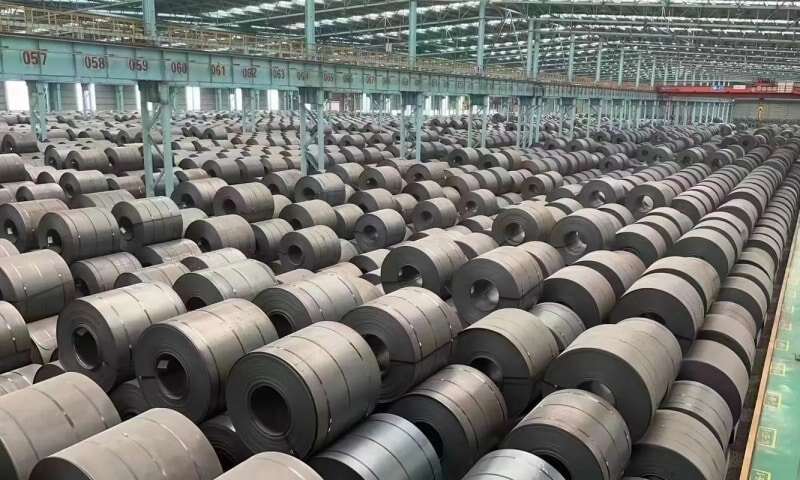
2. Precision Punching of Anti-Slip Patterns
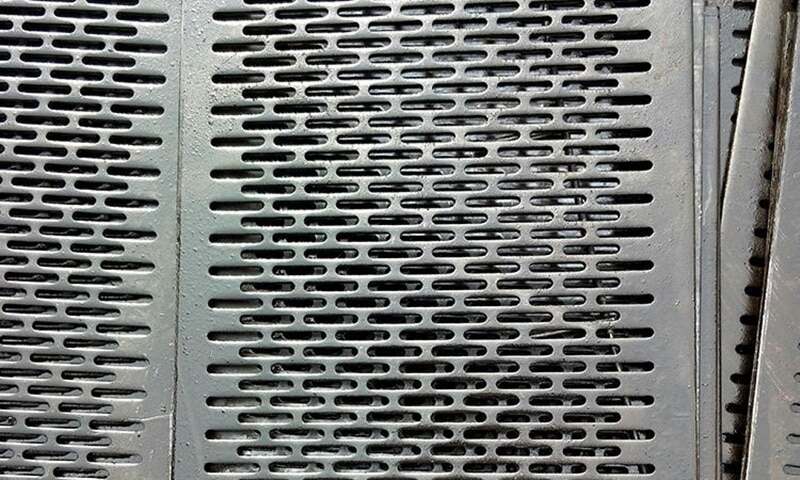
The core feature of perforated safety grating is its slip-resistant surface, formed by punching raised dimples, serrations, or specially shaped holes into the sheet metal.
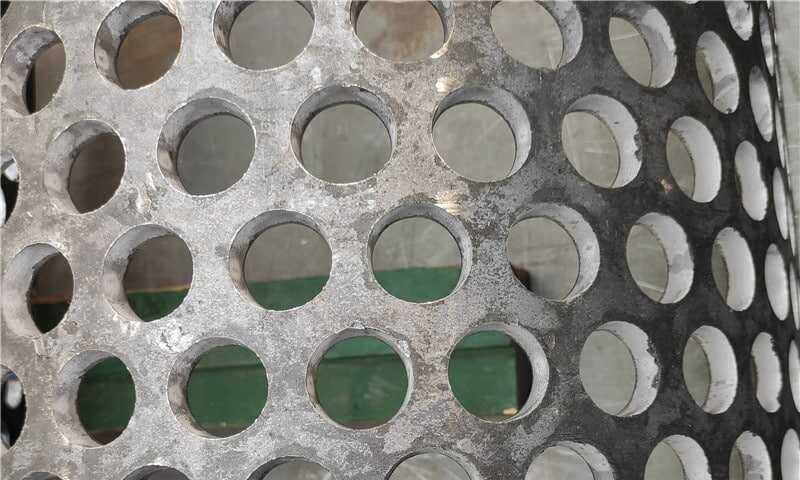
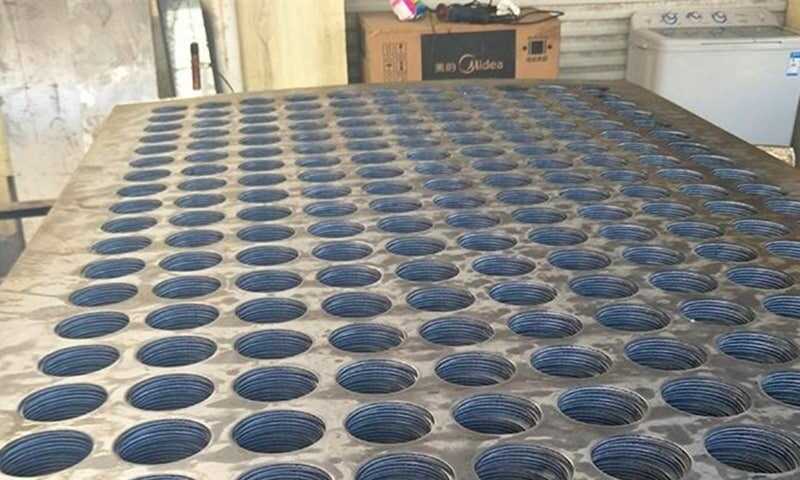
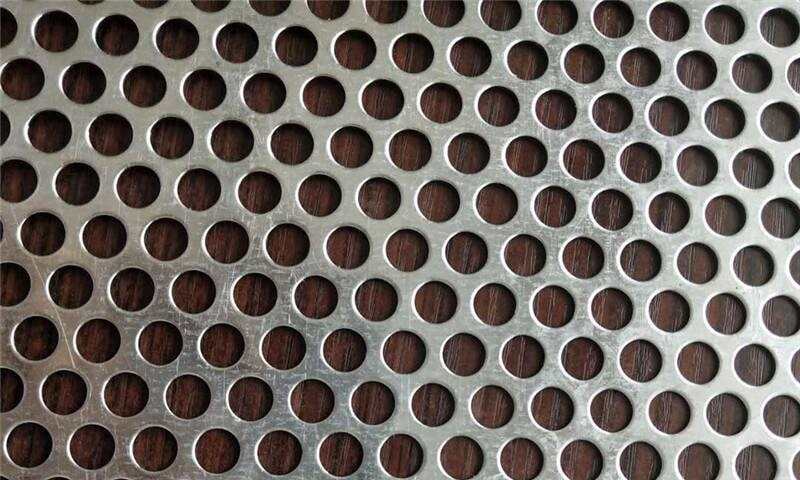
Depending on customer needs, we can produce patterns with different shapes, sizes, and open areas. Similar punching technology is also used in our round hole perforated metal, square hole perforated sheet, and hexagonal perforated panel product lines.
How the punching step works:
- The sheet is fed into a high-tonnage punching machine.
- Tooling dies designed for anti-slip shapes press into the metal.
- The punching and forming occur simultaneously to create raised traction points.
- The layout is controlled digitally to maintain uniform strength and safety.
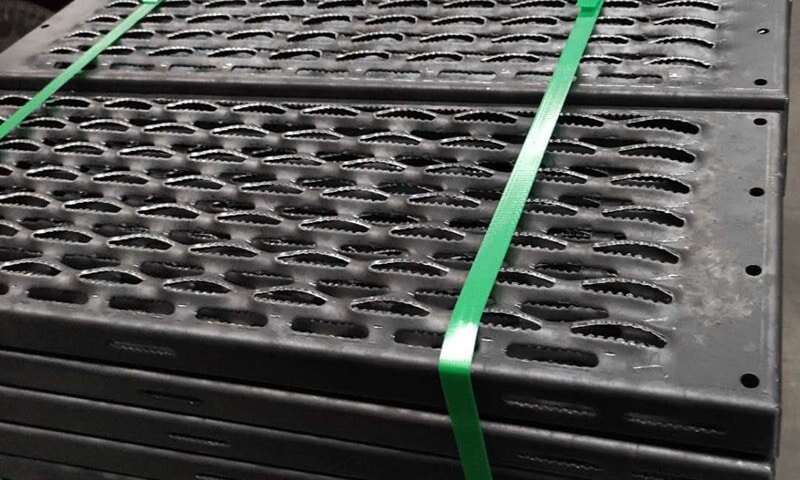
3. Forming the Grating Into the Required Structure
After punching, the sheet must be formed into the final shape. Because end-users often have different installation needs, custom forming is an important part of the perforated safety grating production process.
Common forming steps include:
- Cut-to-size processing for walkways or platforms
- Bending to create stair treads or step plates
- Deep forming for reinforced industrial grating
- Edge finishing to remove sharp burrs and ensure safe handling
This flexibility is similar to our ability to customize slotted perforated metal or cross-shaped perforated sheet, which many customers use for architectural design projects.
4. Welding, Assembly, and Reinforcement (If Required)
Some projects require perforated safety grating to be combined with side channels, supporting brackets, or reinforcement ribs. For example, stair treads typically include a bent nosing or welded frame for additional rigidity.
Our team can perform:
- MIG/TIG welding
- Spot welding
- Structural reinforcement
- Custom bracket fabrication
For industrial clients, we also supply perforated safety grating in unassembled sheets for on-site fabrication.
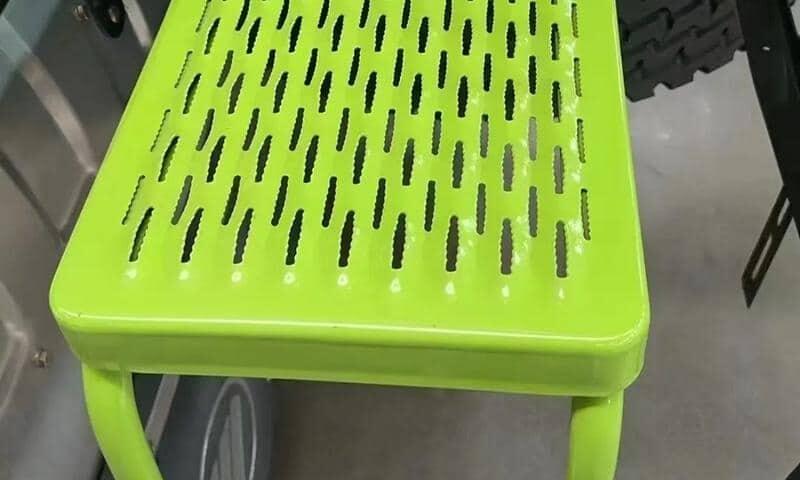
5. Surface Treatment for Long-Term Performance
Different environments demand different protective finishes. The surface treatment process improves corrosion resistance, visual appearance, and lifespan.
Common treatments:
- Hot-dip galvanizing
- Electro-galvanizing
- Powder coating
- Anodizing (mainly for aluminum)
- Pickling and passivation (for stainless steel)
Our stainless steel perforated metal and aluminum perforated sheet products undergo similar treatments to ensure consistent durability across all product categories.
6. Quality Inspection and Final Delivery
Before shipping, each perforated safety grating product is inspected for:
- Material thickness accuracy
- Punching and forming precision
- Load-bearing strength
- Surface finish quality
- Burr-free edges for safe installation
We support both one-piece MOQ orders and large-scale custom production, allowing customers to get exactly what they need—whether it’s a small renovation project or a large industrial facility.
Conclusion
The production of perforated safety grating involves far more than simply punching holes in a sheet of metal. Each stage—material selection, precision punching, forming, reinforcement, surface treatment, and quality inspection—plays a key role in ensuring safety, comfort, and long-term performance.
As a professional manufacturer in China, we offer full customization in dimensions, thickness, materials, hole patterns, and open area. If you need perforated safety grating or any type of perforated metal sheet such as micro-perforated metal, stainless steel perforated panel, or high manganese steel perforated sheet, our team is ready to assist.
For inquiries or quotations, feel free to contact us at:
📧 info@perfsheet.com