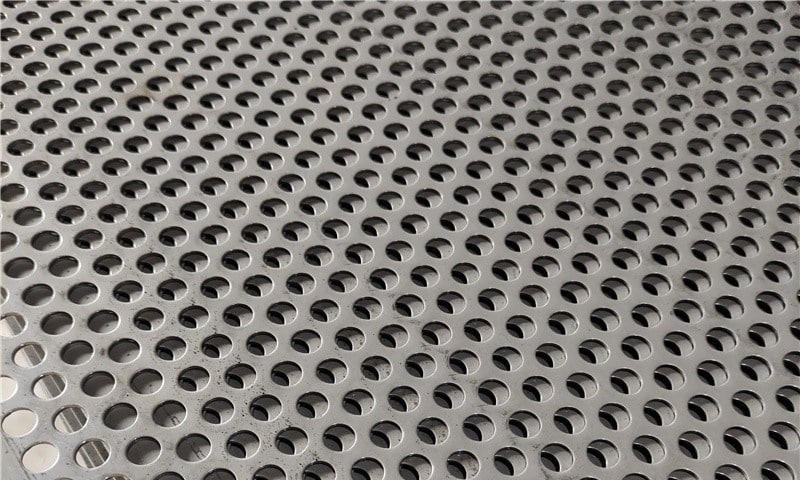
Walk through a new airport terminal, a renovated office lobby, or a high-end multifamily project and you’ll notice something: ventilation grilles and façade intake/exhaust points are no longer “hidden hardware.” Architects and MEP teams are treating them as part of the visual language—clean, repeatable patterns that look intentional from 5 feet away and still perform at 50,000 CFM.
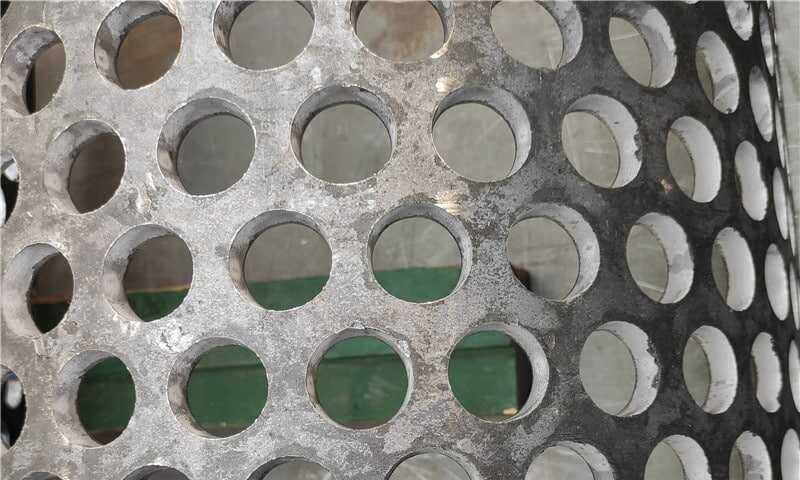
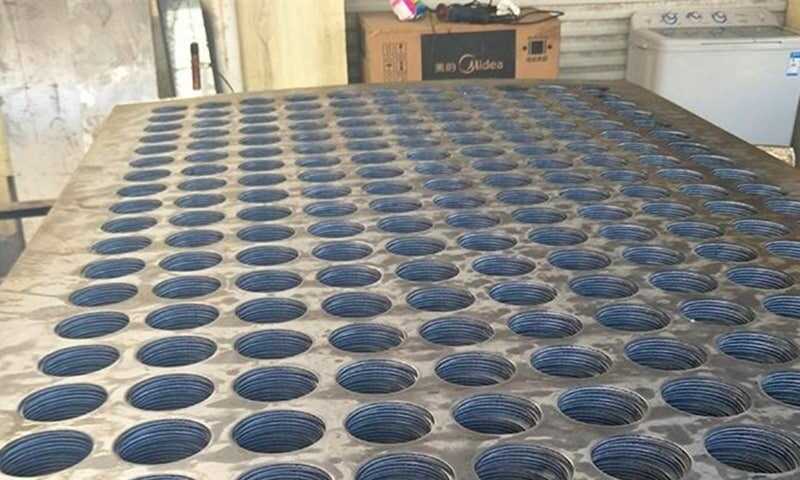
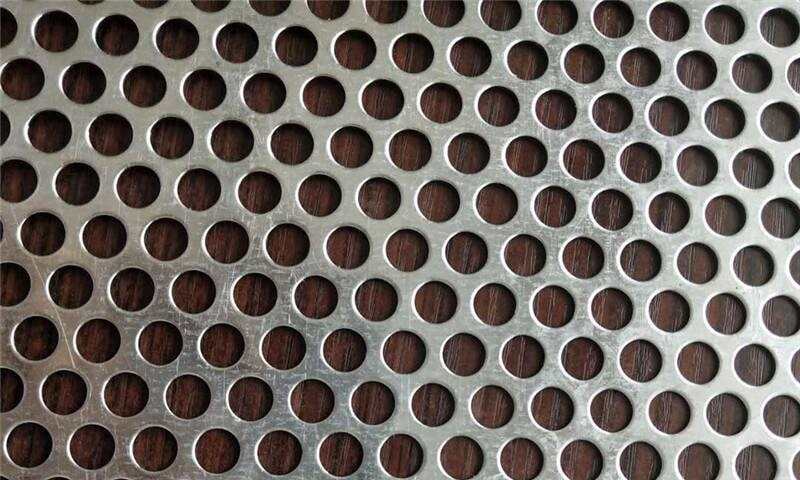
That’s exactly where Round Hole Aluminum Perforated Screens earn their keep. Round holes are easy to read, easy to coordinate across multiple elevations, and—when specified correctly—deliver predictable airflow while keeping the assembly lightweight and corrosion-resistant.

Aluminum Perforated Metal Sheets
Send a Quick Message, We’ll Do the Rest
Tell us what you need. We’ll match the right perforated aluminum sheet and quote it — no back-and-forth.
Fast quote + lead time
Sample before production if needed
Factory direct pricing
The Real Balancing Act: Airflow, Protection, and Appearance
A ventilation screen is doing three jobs at once, and the best projects call that out early:
Airflow performance that engineers can trust
For HVAC and building envelope applications, the discussion usually starts with open area and pressure drop. Hole diameter, pitch, and stagger/straight layout are the levers that control how freely air moves through the sheet.
From a manufacturing standpoint, round hole patterns are also consistent to produce on CNC turret punch presses, which helps maintain repeatability across batches—important when you’re ordering matching panels for multiple floors or phases.
Visual “quietness” at architectural distance
Round hole patterns create a uniform field that looks calm and modern. Designers often choose:
- Smaller holes for a refined, “solid” look from a distance
- Medium holes to balance transparency and concealment
- Larger holes when the screen is meant to read as a bold, perforated texture
Physical protection and practical screening
In real buildings, screens see real abuse: wind-driven debris, maintenance activity, occasional impact, and the need to discourage birds or unwanted access. Aluminum helps here because it’s strong enough for most grille/screen duties without the weight penalty of steel—especially when the panel size grows.
What Specifiers Are Asking for in 2026: Trends We Hear Every Week
Below are the most common requests we see from contractors, façade consultants, and mechanical teams—especially on projects where ventilation is visible.
“Make it look like part of the façade, not a patch.”
Instead of a single grille in a different finish, teams are using round hole aluminum screens as a repeating module across intake/exhaust zones, parking podium ventilation, and equipment yards. The goal is a consistent pattern line so ventilation “disappears” into the architecture.
“We need airflow, but don’t want to see the mechanical room.”
Round hole perforations can reduce visual exposure while still allowing ventilation. If privacy or concealment is a priority, designers often pair the perforated sheet with:
- a dark backing layer
- insect mesh behind the perforated panel
- increased stand-off depth to reduce sightlines
“Match the finish across aluminum components.”
Powder coating and anodizing are frequently requested so the screen aligns with curtain wall, sunscreens, or storefront framing. Aluminum takes these finishes well, and the finish choice can also support corrosion resistance in coastal or industrial environments.
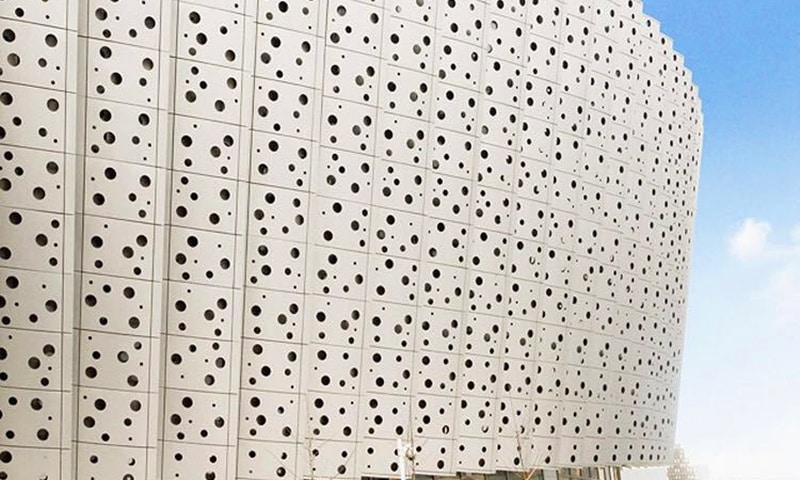
Engineering Inputs That Actually Matter (and Prevent Rework)
If you’re specifying Round Hole Aluminum Perforated Screens for HVAC or façade ventilation, these are the decisions that most affect performance and fabrication.
Hole size, pitch, and pattern orientation
- Hole diameter + pitch drive open area and visual density.
- Staggered patterns are popular in architectural work because they read “softer” and can provide higher open area for a similar visual density.
- Straight patterns can align nicely with façade grids and panel seams.
Thickness and flatness expectations
Aluminum thickness is often driven by panel size, framing method, and deflection limits (especially outdoors). Larger panels and higher wind loads typically require thicker material or additional support rails. Flatness also matters—if you want a clean façade plane, specify tolerances and plan the subframe accordingly.
Edge margins and panel detailing
Perforation-to-edge distance is not a small detail—it affects strength, looks, and how cleanly the sheet integrates into frames. For CNC punched sheets, consistent margins help avoid distortion near edges and keep the pattern visually centered.
Total free area vs. “effective” free area
On paper, open area looks simple. In reality, downstream components (filters, louvers, dampers, insect screens, baffles) change the effective airflow. The best outcomes happen when the perforated screen is specified as one layer in a system—not as a standalone airflow solution.
Manufacturing Notes From the Shop Floor (What We Build Around)
As someone who’s spent years producing perforated sheets on CNC turret punch equipment, here’s the practical truth: round hole patterns are efficient to produce, but architectural expectations are where projects win—or get delayed.
Consistency across lots and phases
If a project is phased, lock the pattern, alloy, thickness, and finish early. Small changes (like swapping hole pitch or changing finish supplier) can create visible differences when panels are installed side-by-side months apart.
Finish protection and handling
Architectural aluminum screens often arrive on-site before the final façade work is complete. Protective film, packaging, and handling instructions matter—especially for powder-coated faces that can scratch during staging.
Cut-to-size and secondary operations
Many projects need laser cutting, shearing, bending returns, or mounting holes. Sharing a simple drawing package (panel size, hole-free border, mounting method) prevents the common issue: perforations landing where fasteners or bends need to go.
A Simple Spec Checklist for Architects and MEP Teams
If you want quotes that are apples-to-apples (and shop drawings that move fast), include:
- Material: aluminum alloy requirement (if you have one) and thickness
- Pattern: round hole diameter, pitch, and staggered vs. straight layout
- Panel size and quantity (note phased releases if applicable)
- Border requirements: perforation-to-edge margin and any blank areas
- Finish: mill, anodized, or powder coat (include color + gloss if known)
- Application notes: interior grille, exterior intake/exhaust, façade ventilation, etc.
- Performance intent: target open area or airflow requirement (if available)
Closing Thought: “Modern” Is When Performance Looks Intentional
The best ventilation details don’t force teams to choose between engineering and aesthetics. With Round Hole Aluminum Perforated Screens, you can make airflow predictable, maintenance practical, and the building elevation cleaner—without turning ventilation into an afterthought.
When the pattern, finish, and detailing are coordinated early, the result reads like part of the architecture—because it is.