Understanding the Real Difference Between 304 and 316 Stainless Steel
When specifying stainless steel perforated metal sheets, many buyers assume that “stainless is stainless.” In reality, the grade you select has a direct impact on corrosion resistance, lifecycle cost, and long-term performance in real operating environments.
Among all options, 304 and 316 stainless steel are by far the most requested grades for CNC punched perforated sheets. While they look similar on paper, their chemical composition — and how they behave in the field — is fundamentally different.
Before comparing applications or pricing, it helps to start with the chemistry.
Chemical Composition Comparison: 304 vs 316 Stainless Steel
Below is a simplified comparison of the most relevant elements that affect performance in perforated metal applications:
Typical Chemical Composition (%)
| Element | 304 Stainless Steel | 316 Stainless Steel |
|---|---|---|
| Chromium (Cr) | 18.0–20.0 | 16.0–18.0 |
| Nickel (Ni) | 8.0–10.5 | 10.0–14.0 |
| Molybdenum (Mo) | — | 2.0–3.0 |
| Carbon (C) | ≤ 0.08 | ≤ 0.08 |
The key difference is molybdenum. This single alloying element dramatically improves resistance to chlorides, salt spray, and aggressive chemicals — conditions where standard stainless steel often fails earlier than expected.
From a CNC punching perspective, both grades process similarly. Tool wear, burr control, and hole accuracy remain stable when parameters are properly adjusted. The performance difference shows up after installation, not during fabrication.

Stainless Steel Perforated Metal Sheets
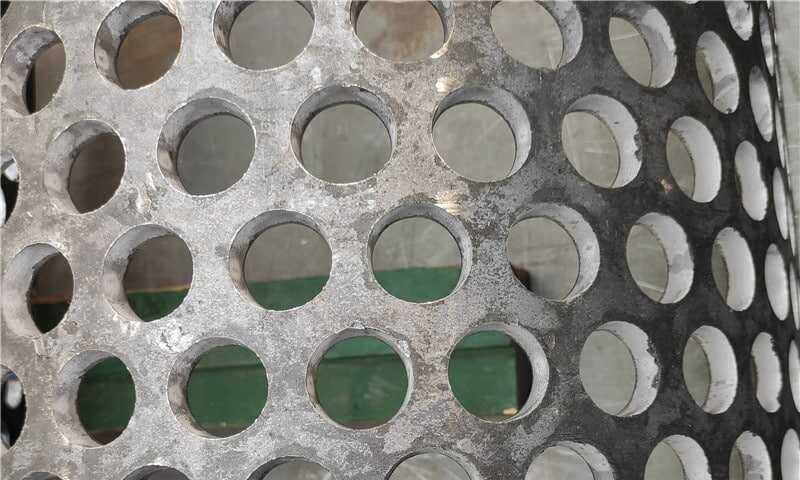
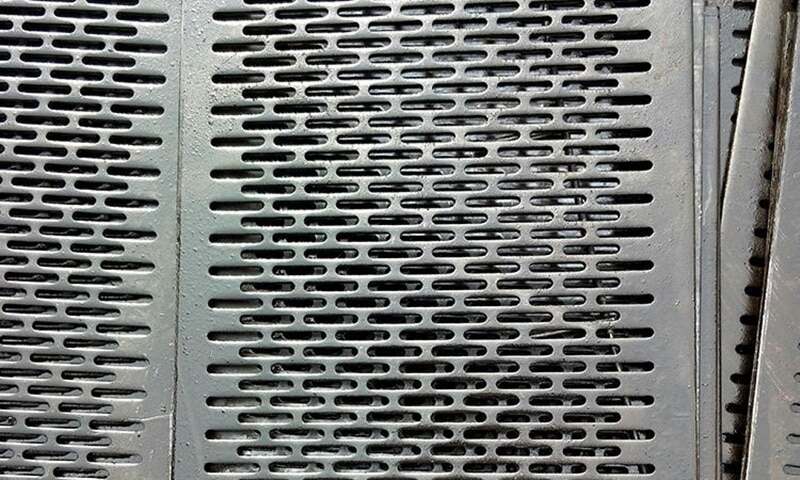
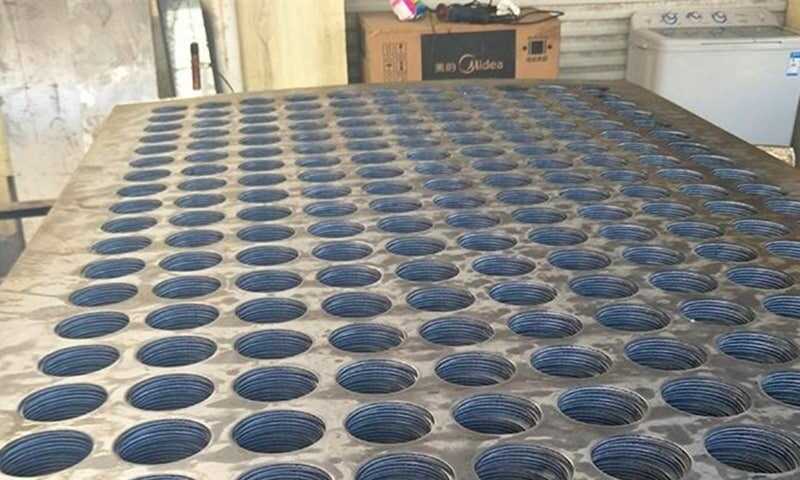
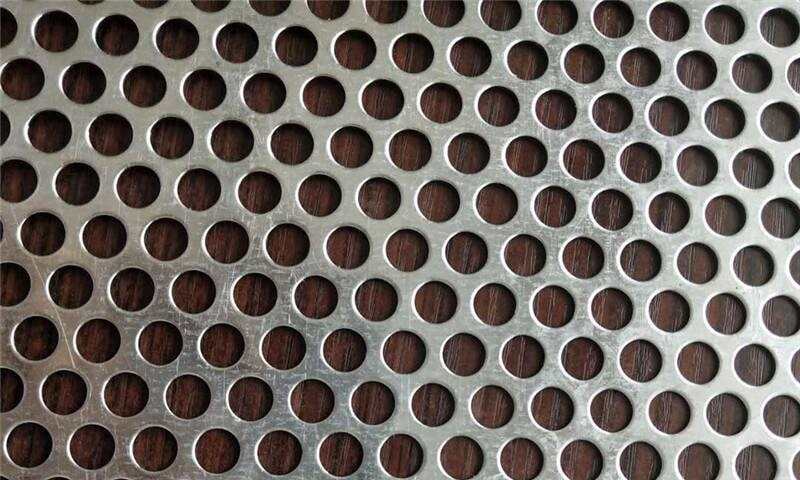
Stainless steel perforated sheet is a commonly used material in both architectural and industrial applications. It offers stable corrosion resistance and good fabrication flexibility.
Hole patterns, open area, dimensions and surface finishes can all be customized according to project drawings. Typical uses include facades, ventilation and filtration, partitions and equipment protection.
Feel free to view the product details or contact us for samples and pricing information.
Quantifying the Cost Difference (Why 316 Is Not a “Small Upgrade”)
One of the most common questions from international buyers is whether upgrading from 304 to 316 is a “minor cost increase.”
In practical sourcing terms, it usually isn’t.
Typical Cost Difference
- 316 stainless perforated sheets cost 30%–40% more than 304
- Price fluctuation increases further when nickel or molybdenum markets tighten
- Freight cost remains the same — the premium is purely material-driven
For high-volume architectural panels or industrial walkways, this difference quickly becomes a six-figure decision.
That’s why the correct grade selection should be driven by environmental exposure, not by habit or assumptions.
Application-Based Decision Logic (Simple, Practical, Field-Tested)
Instead of overengineering, we guide customers with a straightforward decision tree that reflects actual project conditions.
Choose 304 Stainless Steel If:
- The application is indoor or sheltered
- Environment is dry or climate-controlled
- No exposure to salt air, chemical fumes, or cleaning agents
- Typical applications include:
- Decorative wall panels
- Ceiling perforated sheets
- Machine guards in controlled facilities
- HVAC diffusers and screens
For these scenarios, 304 stainless steel perforated metal sheets deliver excellent value with long service life and predictable performance.

Choose 316 Stainless Steel If:
- The project is located near the ocean or coastal regions
- Direct exposure to salt spray, humidity, or marine atmosphere
- Industrial environments with acids, chlorides, or harsh wash-down routines
- Typical applications include:
- Marine platforms and ship interiors
- Coastal building facades and sun screens
- Chemical processing plants
- Wastewater and desalination facilities
In these cases, 316 stainless steel is not an upgrade — it is a requirement.
A Real-World Failure Case: When the Wrong Grade Was Chosen
One European client contacted us two years after installing 304 stainless perforated panels on a seaside commercial project.
On paper, the design was perfect. The perforation pattern was optimized, edges were clean, and surface finish met architectural standards. However, within 18–24 months, surface rust spots began forming, primarily around punched holes and cut edges.
The issue was not fabrication quality.
It was chloride exposure from the marine environment combined with daily condensation.
Ultimately, the panels had to be replaced with 316 stainless perforated sheets, doubling the total lifecycle cost of the project.
This is a scenario we see repeatedly — and exactly why early material selection matters more than initial unit price.

How This Impacts CNC Punching and Fabrication Performance
From a manufacturing standpoint:
- Both 304 and 316 punch cleanly with modern CNC punching machines
- Hole deformation risk is comparable
- Edge finishing requirements remain the same
- Surface protection during transport is equally critical
The difference is not fabrication difficulty — it’s long-term performance after installation.
Specifying the right stainless steel perforated metal grade protects not only the structure, but also the reputation of engineers, contractors, and suppliers involved.
Final Guidance for B2B Buyers and Specifiers
If you are sourcing stainless steel perforated metal sheets for industrial, architectural, or infrastructure projects, the decision between 304 and 316 should always be driven by environment, not by initial cost pressure.
A correctly specified 304 panel will last decades indoors.
A misapplied 304 panel outdoors may fail within two years.
If there is uncertainty, experienced manufacturers can review:
- Installation environment
- Cleaning cycles
- Local climate data
- Expected service life
This upfront discussion is often the cheapest insurance in the entire supply chain.