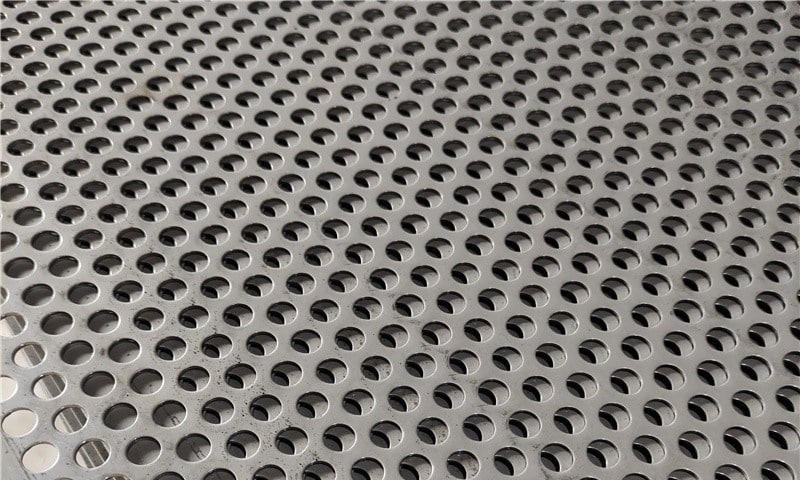
In B2B purchasing, “mild steel” is one of those phrases that sounds specific but often isn’t. I’ve run into it in RFQs from fabricators, OEMs, contractors, and distributors—sometimes written as “mild steel perforated sheet metal,” sometimes as “low carbon steel perforated sheet,” and sometimes the same buyer uses carbon steel perforated panels in the next email as if they mean the exact same thing.
They can mean the same thing in a general sense. But in a production environment—especially when you’re cutting patterns on a CNC turret punch and trying to hold flatness, hole quality, and repeatable fit-up—those words can hide important expectations.
The goal of this note is simple: translate procurement language into shop-floor language so you get quotes you can compare, fewer clarifying emails, and parts that match what your team actually needs.
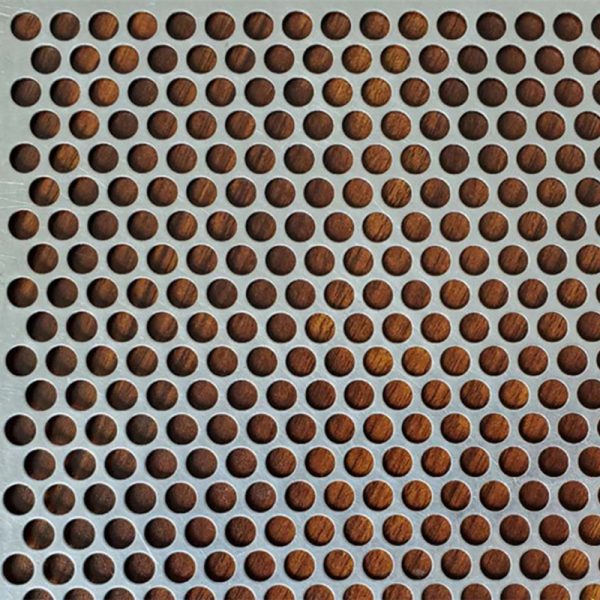
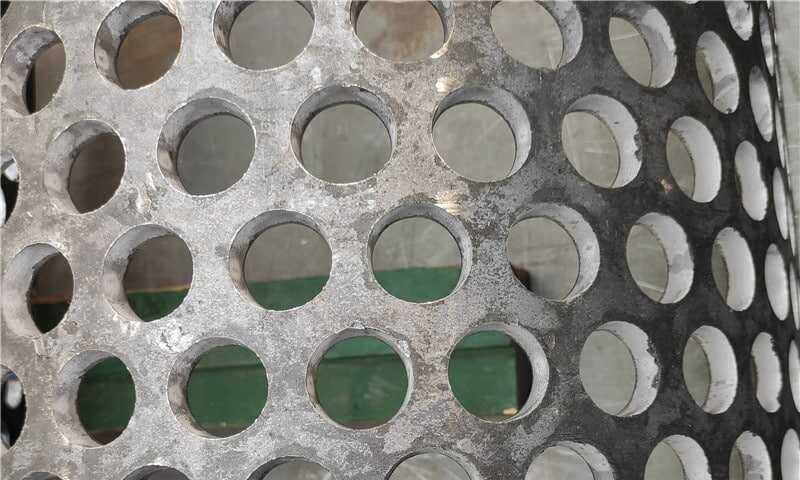
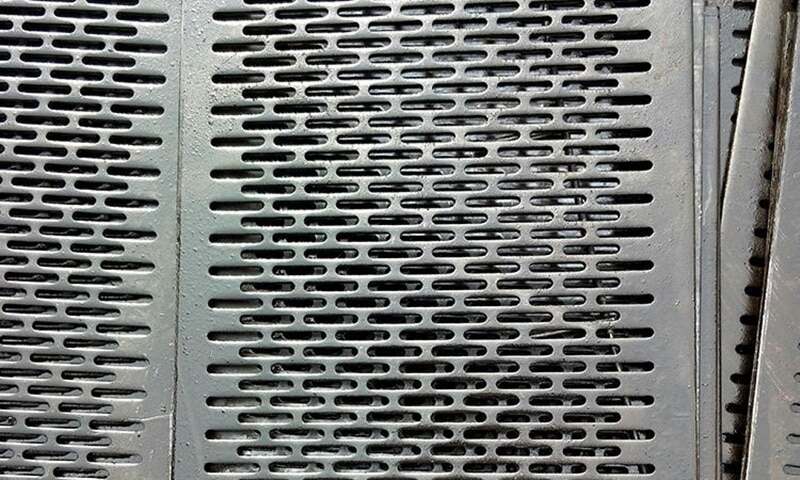
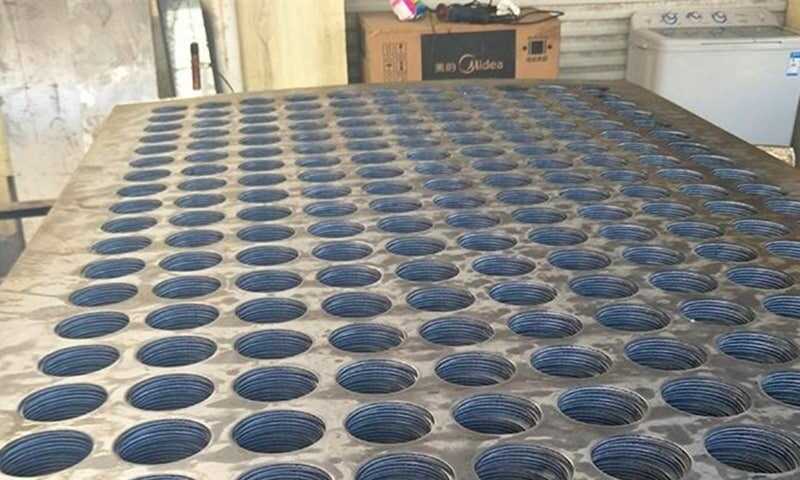
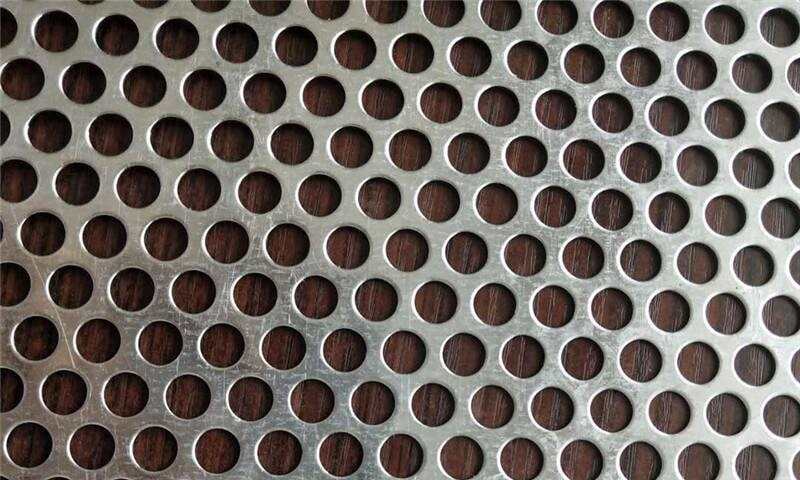
Carbon Steel Perforated Metal Sheets
We work with buyers and engineers who need carbon steel perforated sheets that are practical to manufacture and reliable in use.
If you’re preparing an RFQ or want to confirm specifications before sourcing, a short conversation often saves time on both sides.
Contact us via WhatsApp to talk through the details:
In Most RFQs, “Mild Steel” Means “Cost-Effective, Easy to Fabricate”
When buyers say “mild steel,” they usually want a steel that:
- forms without cracking in common brake operations
- welds easily (MIG/TIG/spot) without special procedures
- is readily available in sheet gauges
- is price-friendly compared with stainless or aluminum
- performs well for guards, screens, HVAC, enclosures, and general industrial panels
That’s the intent. But the “mild steel” umbrella covers multiple practical choices.
Mild Steel vs. Low Carbon vs. Carbon Steel
In day-to-day purchasing talk:
- Mild steel often implies low carbon steel, used for general fabrication.
- Low carbon steel suggests better formability and weldability (commonly aligned with grades like 1008/1010/1018 depending on region and supply chain).
- Carbon steel can mean anything from low carbon to higher carbon content materials, and it sometimes gets used as a catch-all for “not stainless.”
So yes—buyers often use these phrases interchangeably. But if the project has any of the conditions below, you’ll want to tighten the definition before you lock pricing and lead time.
The Details That Quietly Change Your Quote (and Your Results)
Here are the most common “mild steel misunderstandings” I see in perforated sheet projects.
Hot Rolled vs. Cold Rolled: The Finish and Flatness Trap
A buyer says “mild steel perforated sheet metal,” but what they really care about might be surface appearance or flatness.
- Hot rolled (HR) typically has mill scale, a darker surface, and different flatness behavior.
- Cold rolled (CR) is smoother and often preferred for visible panels, powder coating, and cleaner cosmetic requirements.
For perforation, base material flatness matters because punching introduces stress. If a job requires tight flatness after perforating, the best approach can change based on whether the sheet is HR or CR—and on thickness, open area, and hole pattern.
“A36” vs. “1018” vs. “Commercial Quality”
Some RFQs specify ASTM A36, others mention 1018, and many just say “commercial quality mild steel.”
- A36 is common in structural purchasing, but sheet supply can vary by mill and distributor.
- 1018 is a known low carbon grade, but it’s often discussed more in bar/plate contexts; for sheet, supply and equivalents matter.
- Commercial quality can be perfectly fine for guards and screens—unless you need guaranteed mechanical properties or consistent forming behavior.
If your application depends on a minimum yield or controlled chemistry, the word “mild steel” by itself is not enough.
Pickled & Oiled (P&O) and “Black Steel”
Another common disconnect: a buyer requests carbon steel perforated panels “ready for paint,” but doesn’t mention whether they want:
- P&O for a cleaner surface vs. mill scale
- a specific cleaning standard before coating
- a plan for rust prevention during transit and storage
If you’re powder coating or painting, this matters. Surface prep costs can show up later if the wrong base finish was assumed.

Perforation Adds Its Own Reality: Hole Quality, Burr Direction, and Tolerances
Even when material grade is clear, the words “mild steel perforated sheet metal” can hide expectations about the perforation itself.
What CNC Turret Punching Typically Delivers
Turret punching is fast, repeatable, and cost-effective for many perforation patterns—especially in thin to medium gauges. But buyers should know what to define up front:
- Burr direction: Burr is typically on the exit side of the punch. If you need burrs minimized on a specific face (for handling, airflow direction, or visible surfaces), specify the “good side” orientation.
- Hole edge condition: Expect a clean sheared edge appropriate for industrial use; if you need a near-burnished edge or ultra-low burr, secondary processing may be required.
- Pattern accuracy: Pattern-to-edge and hole-to-hole tolerances depend on thickness, open area, and tool strategy. The tighter the requirement, the more the process planning matters.
Open Area and Distortion: The Thing Nobody Mentions Until the Panels Arrive
Higher open area (large holes, tight pitch, or dense slot patterns) can introduce more stress and distortion. That doesn’t mean the job can’t be done—it just means your supplier needs to plan for it.
If your assembly requires very flat carbon steel perforated panels, share that early. Otherwise, you may get a perfectly acceptable “industrial flat” sheet when your team expected “laser-flat.”
The 6 RFQ Questions That Prevent 80% of Back-and-Forth
If you want quick quotes that actually match your needs, these questions help more than any single buzzword:
1) What base material do you prefer?
- Hot rolled, cold rolled, or P&O?
2) Do you need a specific standard or grade?
- ASTM callout? Minimum yield? Chemistry limits?
3) What thickness and sheet size?
- Gauge/decimal thickness, plus full sheet vs. cut-to-size panels.
4) What perforation type and pattern details?
- Round, square, slotted, decorative; hole size, pitch, stagger/straight pattern.
5) What’s the functional priority?
- Airflow, screening, strength, aesthetics, weight reduction, sound attenuation?
6) Any secondary operations?
- Deburr requirement, leveling, forming, welding, coating, galvanizing.
When a buyer answers these, “mild steel” becomes a helpful shorthand instead of a guessing game.

How We Interpret “Mild Steel” When Quoting Carbon Steel Perforated Metal Sheets
When we receive an RFQ that says “mild steel perforated sheet metal,” we don’t assume you want the cheapest option at any cost. We assume you want the right balance of:
- manufacturability (punching efficiency and tool choice)
- performance (strength, open area, durability)
- downstream success (forming, welding, coating)
- total cost (material + processing + rework risk)
If your request uses terms like low carbon steel perforated sheet or carbon steel perforated panels, we’ll typically confirm the base finish, intended environment (indoor/outdoor, corrosion exposure), and whether you need compliance-driven documentation.
Because the real win isn’t just getting you a fast quote—it’s getting you parts that install cleanly and don’t trigger a second round of purchasing surprises.
A Practical Rule of Thumb
If the part is structural or compliance-driven, don’t rely on “mild steel” alone—specify standard/grade and key mechanical expectations.
If the part is general fabrication (guards, screens, enclosures, architectural back-panels), “mild steel” is often fine—as long as you clarify finish (HR/CR/P&O) and the perforation expectations (burr direction, deburr, flatness).
That’s how you keep your RFQ tight, your lead time predictable, and your carbon steel perforated metal sheets consistent from batch to batch.