In industrial projects, “spec’ing stainless” has become almost automatic. It feels safe. It feels future-proof. But in practice, we see a lot of over-engineering—and unnecessary cost—when stainless steel is chosen by default.
After years of producing carbon steel perforated sheet on CNC turret presses for OEMs, fabricators, and contractors, the pattern is clear: many applications simply don’t need stainless. Carbon steel delivers the strength, formability, and price stability those projects actually require—without sacrificing performance.
This article breaks down where carbon steel makes more sense, where it does not, and how experienced buyers make the call.

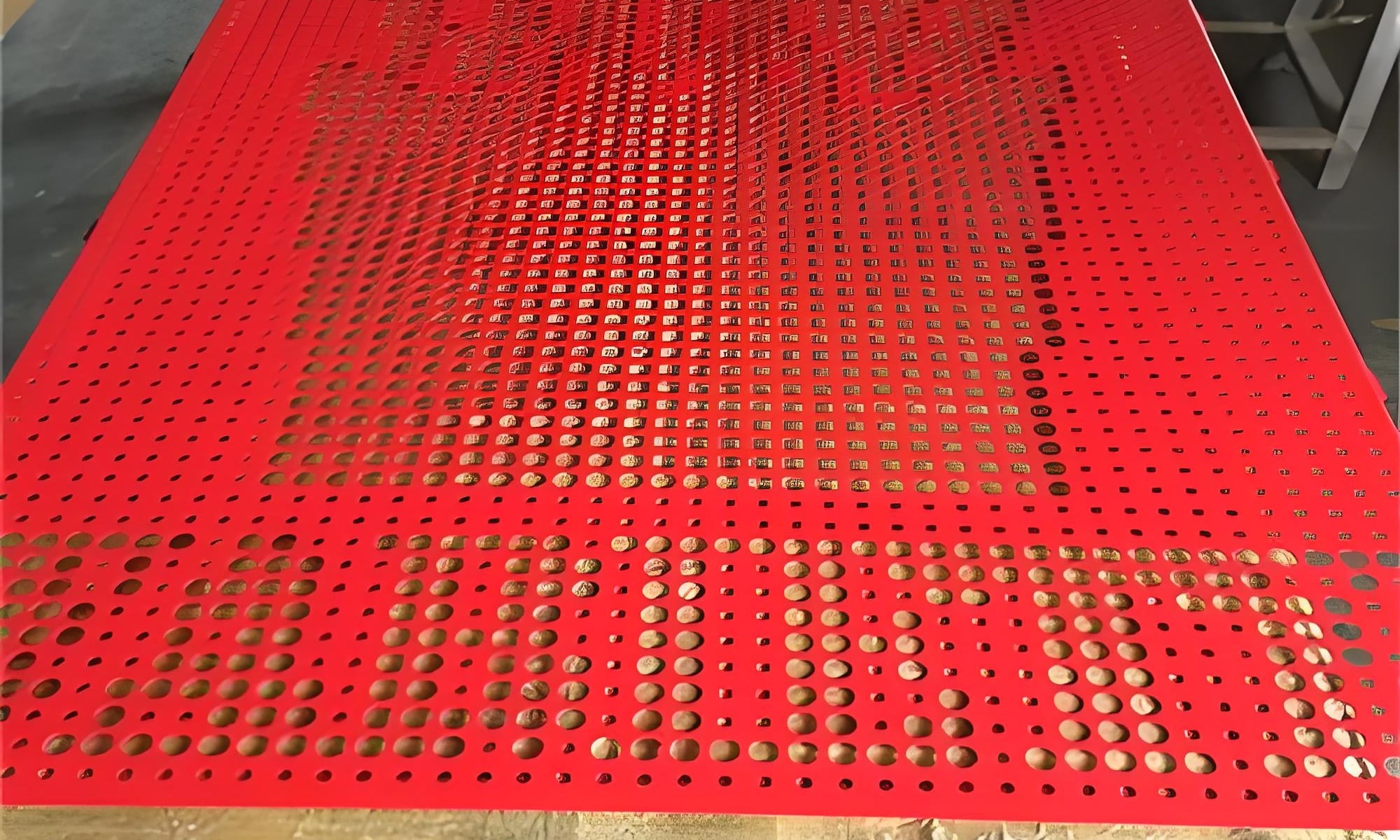
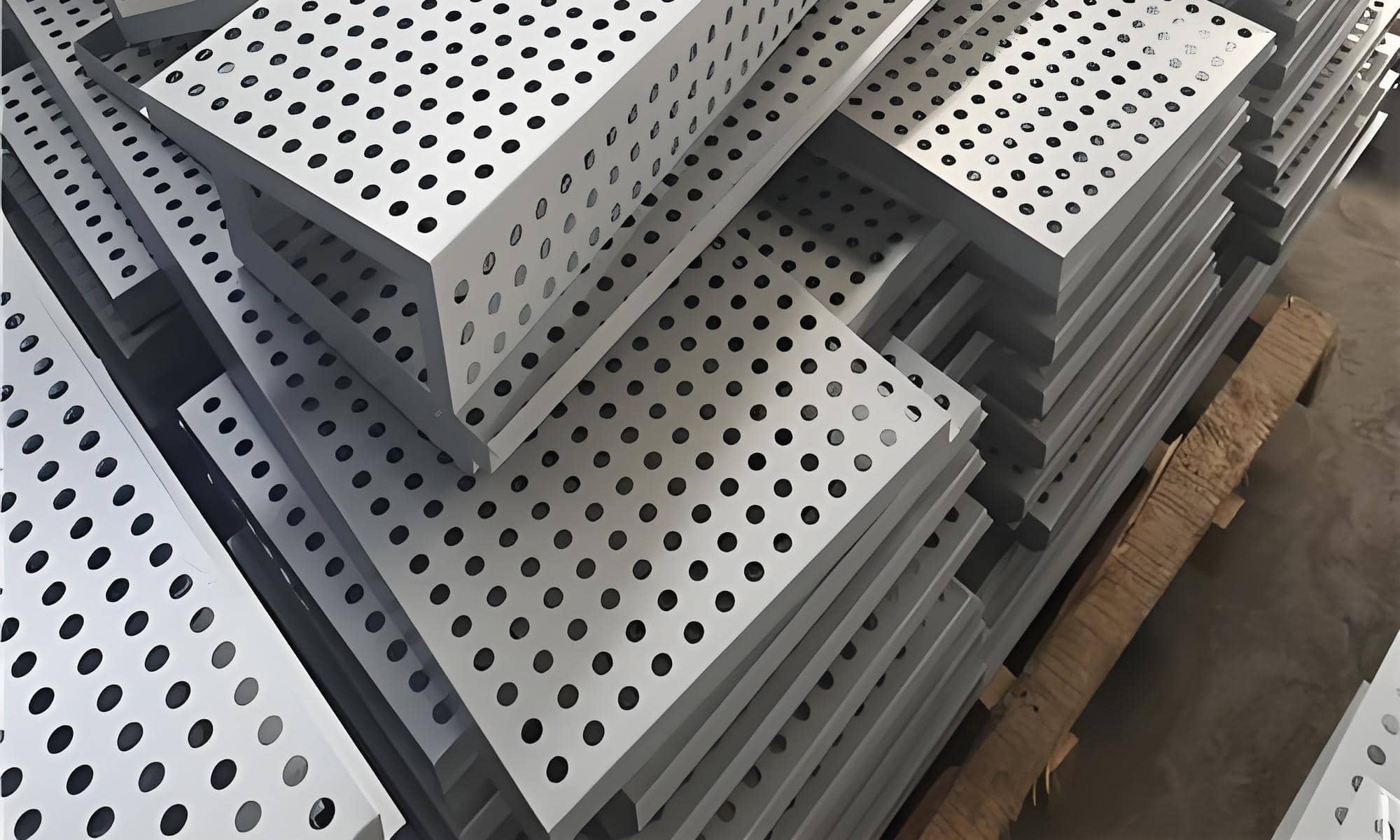
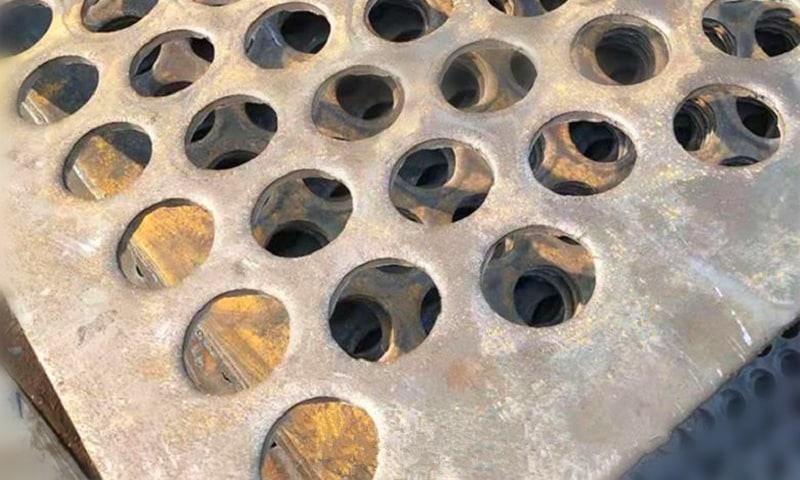
Carbon Steel Perforated Metal Sheets
We work with buyers and engineers who need carbon steel perforated sheets that are practical to manufacture and reliable in use.
If you’re preparing an RFQ or want to confirm specifications before sourcing, a short conversation often saves time on both sides.
Contact us via WhatsApp to talk through the details:
The Over-Specification Trap in Perforated Metal
When “better” isn’t actually better
Stainless steel shines in corrosive or hygienic environments. Outside of those conditions, its benefits often go unused—while its cost remains very real.
We commonly review drawings where stainless is specified for:
- Equipment guards
- Machine enclosures
- HVAC covers
- Ventilation panels
- General industrial screening
In these cases, corrosion resistance is not a functional requirement. Structural integrity, perforation accuracy, and fabrication speed are.
That’s where mild steel perforated sheet metal consistently outperforms in value.
Why Carbon Steel Performs So Well in Industrial Use
Strength where it actually matters
Low-carbon and mild steel grades offer excellent tensile strength and rigidity for:
- Impact resistance in machine guarding
- Vibration-prone equipment housings
- Large-format perforated panels that must stay flat
For most indoor or controlled environments, this mechanical advantage matters far more than exotic corrosion resistance.
CNC punching efficiency = cleaner results
From a manufacturing perspective, carbon steel is highly predictable on CNC turret presses:
- Lower tool wear
- Cleaner hole edges
- Tighter perforation tolerances
- Faster cycle times
That translates into more consistent parts and shorter lead times, especially for repeat B2B orders.
Fabrication-friendly across the board
Carbon steel cuts, bends, welds, and finishes with minimal complication. If your downstream process includes:
- Brake forming
- Spot welding
- Frame mounting
- Powder coating or painting
Carbon steel integrates smoothly—and cost-effectively.

Carbon Steel vs Stainless Perforated Sheet: A Practical Comparison
Cost impact you can actually feel
In real procurement terms, carbon steel typically costs 30–50% less than stainless perforated sheet, depending on grade and market conditions.
For projects with:
- Large surface areas
- Multiple perforation patterns
- Ongoing production schedules
That difference compounds quickly.
Availability and supply stability
Carbon steel coils and sheets are more widely available globally, making them:
- Easier to source at scale
- Less exposed to niche alloy shortages
- More predictable in pricing for long-term contracts
For B2B buyers managing multi-phase builds, this stability matters.
Common Applications Where Carbon Steel Is the Smarter Pick
Equipment guards & safety panels
Functionally, these require strength and visibility—not corrosion resistance. Carbon steel excels here.
Ventilation and airflow panels
Perforated carbon steel provides structural stiffness for large vent covers while remaining easy to paint or powder coat.
Industrial enclosures & housings
When installed indoors or in non-corrosive plants, carbon steel performs just as reliably as stainless at a fraction of the cost.
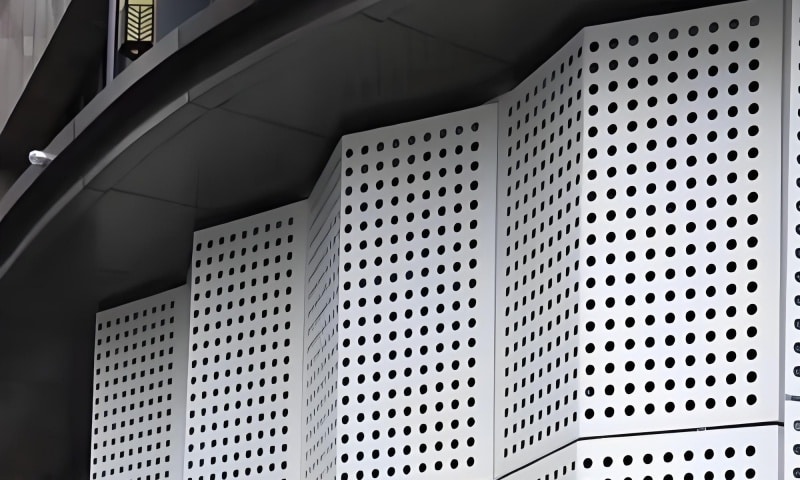
Architectural features (non-coastal)
For decorative or semi-exposed designs, carbon steel paired with proper finishing offers excellent aesthetics and durability.
Where Carbon Steel Is Not the Right Choice
Being honest matters—especially in B2B.
Carbon steel is not ideal for:
- Coastal or marine environments
- Chemical processing plants with aggressive exposure
- Food-grade or hygienic washdown areas
- Outdoor installations without protective coating
In these cases, stainless steel earns its premium.
How Experienced Buyers Make the Call
Seasoned engineers and purchasing managers start with one question:
“What problem does stainless actually solve here?”
If corrosion resistance isn’t answering a real operational need, carbon steel becomes the logical choice. Many buyers then:
- Specify carbon steel thickness for strength
- Apply powder coating or galvanizing if needed
- Reallocate saved budget to performance-critical components
That’s not cutting corners. That’s engineering judgment.
Final Thought: Practical Beats Default
Choosing between stainless and carbon is not about premium vs budget—it’s about fit for purpose.
When the environment allows it, a carbon steel perforated sheet delivers:
- Reliable strength
- Efficient manufacturing
- Easier fabrication
- Significant cost savings
And in many industrial projects, that’s exactly what success looks like.