In industrial and structural applications, lead time is often just as critical as load rating or corrosion resistance. For heavy duty perforated plates, delays rarely come from a single cause—they are usually the result of technical choices made early, sometimes even before a drawing is finalized.
This guide explains what actually determines heavy duty perforated plate lead time, why lead times vary so widely between suppliers, and how practical parameter decisions can significantly shorten delivery without sacrificing performance or durability.

Heavy Duty Perforated Plates
Need a custom heavy-duty perforated plate?
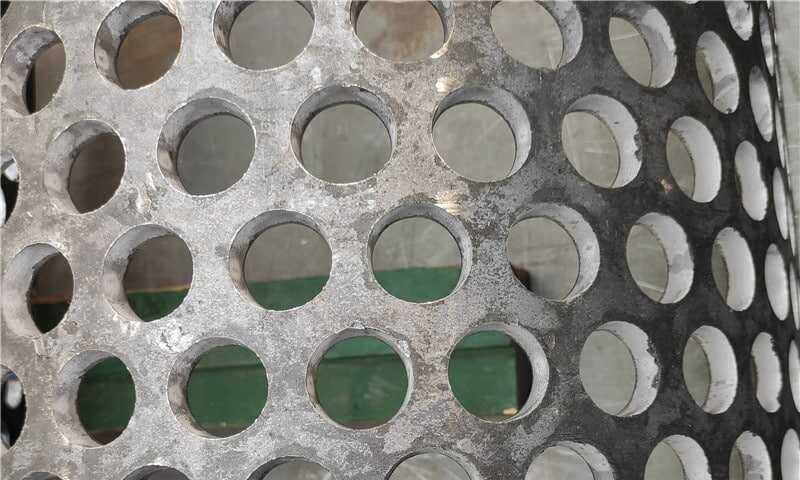
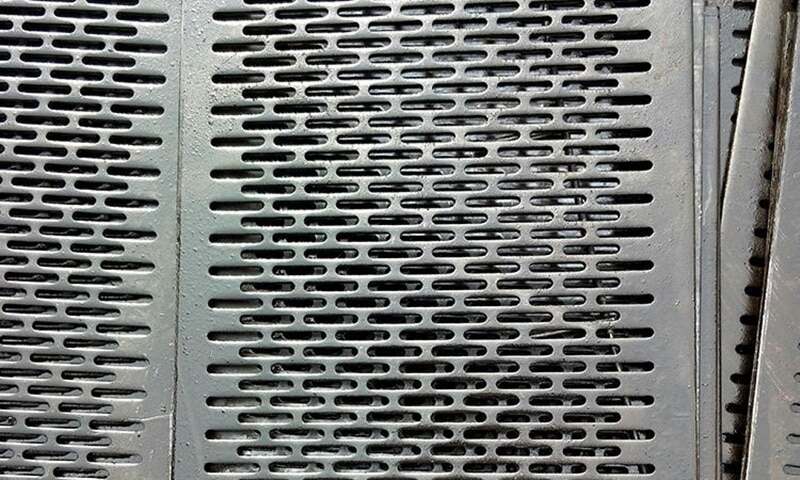
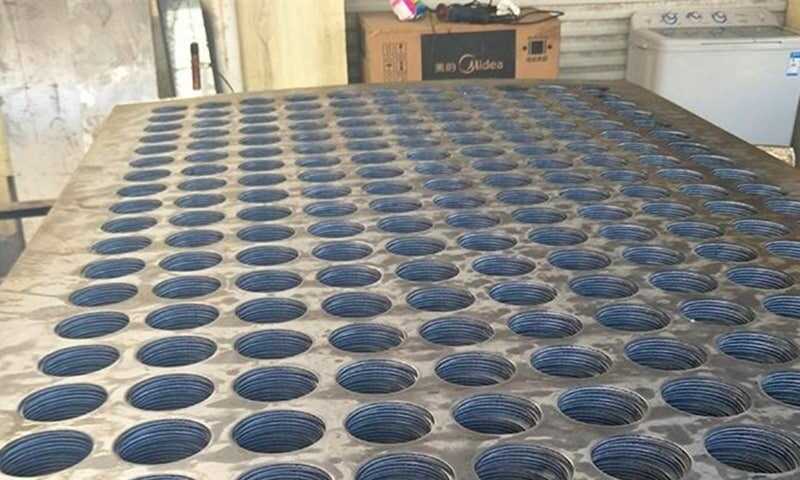
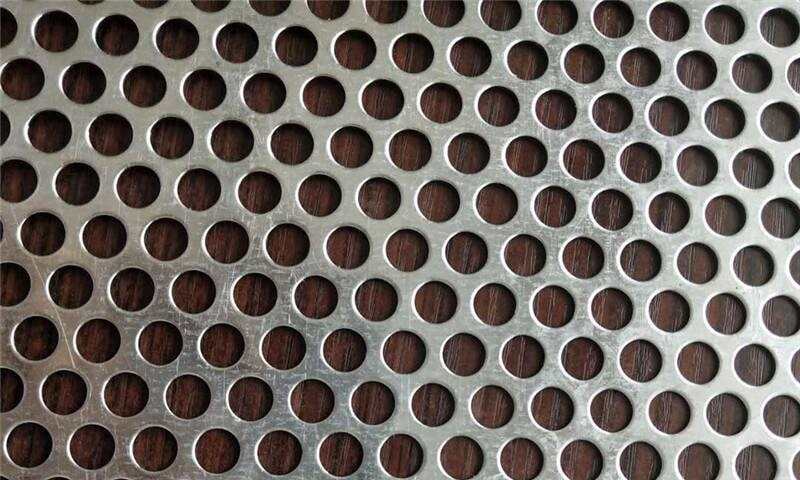
We offer perforated plates with thickness ranging from 2.75mm to 30mm, and up to 6000×1500mm in size, available in round, square, hexagonal, and slotted patterns.
Additionally, we provide precise cutting, surface protection, and other processing services tailored to meet industrial installation requirements.
Feel free to contact us anytime, and we’ll provide a personalized solution that perfectly matches your project needs.
What “Lead Time” Really Covers in Heavy Duty Perforated Plate Manufacturing
In thick-gauge perforated plate production, lead time is not limited to machine hours. It typically includes:
- Plate material sourcing and thickness availability
- CNC punching scheduling and capacity allocation
- Tooling preparation and cycle setup
- Flattening, cutting, and edge conditioning
- Surface treatment and export packing
For heavy duty plates, each stage becomes more sensitive as thickness increases. The key variable is how integrated and capable the punching process is, not how fast a single operation can run.
Core Factors That Determine Heavy Duty Perforated Plate Lead Time
Plate Thickness and Punching Capability
Thickness has a direct influence on punching cycle control, tooling life, and machine scheduling capacity.
In facilities equipped with high-tonnage CNC punching presses and heavy-duty tooling systems, perforated plates up to 50 mm thick can be reliably produced using punching rather than drilling. This requires:
- Sufficient press tonnage
- Reinforced punch and die assemblies
- Low-speed, high-load punching strategies
- Controlled stroke frequency
Many suppliers shift to drilling beyond 6–8 mm due to equipment limitations, not technical necessity. From a buyer’s perspective, confirming true thick-plate punching capability is one of the most effective ways to predict realistic lead time.
Hole Diameter, Layout, and Structural Logic
From a manufacturing standpoint, hole-to-thickness ratio matters more than visual pattern preference.
Designs that overlook punching physics will inevitably extend lead time. Common constraints include:
- Small holes in thick plates sharply increasing punch stress, tooling failure risk, and edge tearing
- Extremely tight pitch reducing cycle stability
- High open-area designs requiring additional flattening
Patterns engineered with punching realities in mind allow production to run steadily, protecting tooling and keeping schedules predictable.

Material Grade and Plate Availability
Heavy duty perforated plates are typically specified in:
- Structural carbon steel
- Galvanized steel
- Stainless steel (304 / 316)
While punching itself may be straightforward, non-stock thicknesses or uncommon material grades often become the hidden bottleneck. In practice, material availability can influence lead time as much as machining capacity, especially for thicker plates.
Standard vs Custom Heavy Duty Perforated Plates
Standard Specifications
Standard heavy duty perforated plates benefit from:
- Stock plate thickness
- Established tooling sizes
- Repeated production history
These orders integrate easily into production planning and usually achieve the shortest lead times.
Custom Thick Plate Orders
Custom specifications may involve:
- Non-standard thickness or tolerances
- Unique hole sizes or layouts
- Special cut-outs or edge preparation
Customization itself is not a problem—but it requires additional coordination across tooling, scheduling, and inspection. Without early technical alignment, custom orders are the most common source of extended lead time.
Post-Processing and Surface Treatment Impact
Heavy duty perforated plates often require secondary processes, such as:
- Hot-dip galvanizing
- Pickling or surface conditioning
- Stress relief flattening
Each additional step introduces queue time. Confirming the processing sequence early—especially whether coating occurs before or after perforation—prevents late-stage rescheduling that can quietly add weeks to delivery.
Typical Heavy Duty Perforated Plate Lead Time Expectations
Based on industry practice:
- Standard heavy duty perforated plates: 1–2 weeks
- Custom thick plate punching orders: 2–3 weeks
- Special materials or coatings: additional 1–3 weeks
These ranges assume true CNC punching capability for thick plates, not substitution with secondary drilling processes.
How to Shorten Heavy Duty Perforated Plate Lead Time Through Smarter Specifications
Use Practical Hole-to-Thickness Ratios
Maintaining a reasonable hole-to-thickness relationship improves tool life and cycle stability. Final limits depend on material grade, press tonnage, and plate width, but designs aligned with punching physics consistently move through production faster.

Favor Existing Tooling Dimensions
Custom punch sizes increase setup time and tooling preparation. Selecting established tooling dimensions often removes an entire preparation stage and improves delivery predictability.
Avoid Over-Specifying Flatness When Not Required
Extremely tight flatness tolerances on thick perforated plates require additional leveling passes. Where the application allows, practical tolerance ranges reduce post-processing time and ease scheduling pressure.
Lock Down Surface Treatment Early
Late changes to galvanizing or coating requirements frequently cause delays. Early confirmation allows plating and punching schedules to be aligned instead of competing.
Why Experience Matters More Than Promised Speed
Heavy duty perforated plate lead time is rarely shortened by rushing production. It is shortened by making the right technical decisions early.
Suppliers with genuine thick-plate punching experience proactively flag risky designs, recommend stable alternatives, and align tooling, material sourcing, and finishing capacity before production begins. This level of experience is what keeps lead times realistic—and reliable.
Final Thoughts for Industrial Buyers
Heavy duty perforated plate lead time is not a fixed number. It is the result of equipment capability, engineering discipline, and early technical coordination.
By working with a manufacturer that understands thick-plate punching at scale and by making informed specification choices, buyers can often reduce lead time without compromising structural integrity or long-term performance.