



Slotted Perforated Aluminum Sheet: Why Slot Direction Changes the Result
A slotted perforated aluminum sheet looks simple at first glance, but slot direction can change how the panel performs in the real world. For engineers, fabricators, and buyers in HVAC, architecture, screening, and industrial equipment, that detail affects airflow, strength, bend behavior, visual appearance, and even how easy the panel is to install.
That is why a good specification is never just about hole size. It should also define the slot orientation, sheet thickness, alloy, open area, and the way the panel will be fabricated after punching. In many projects, the difference between a panel that works and a panel that causes problems starts with that one decision.


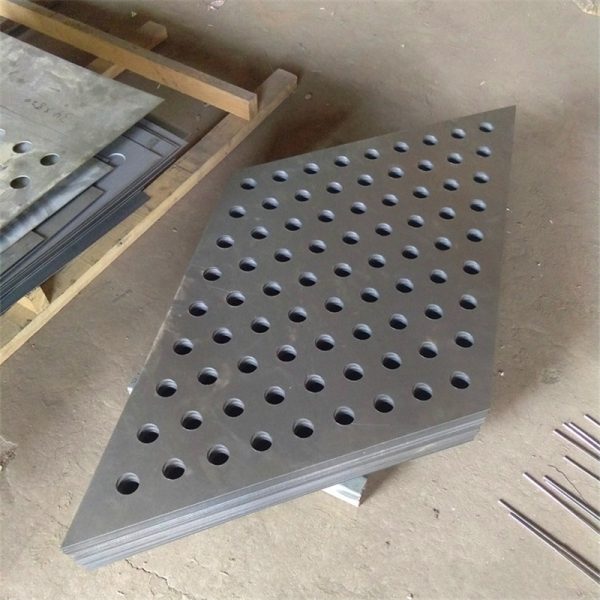

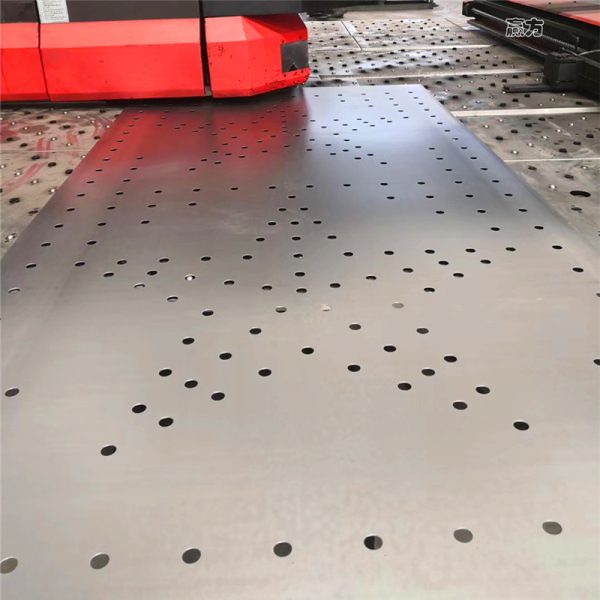

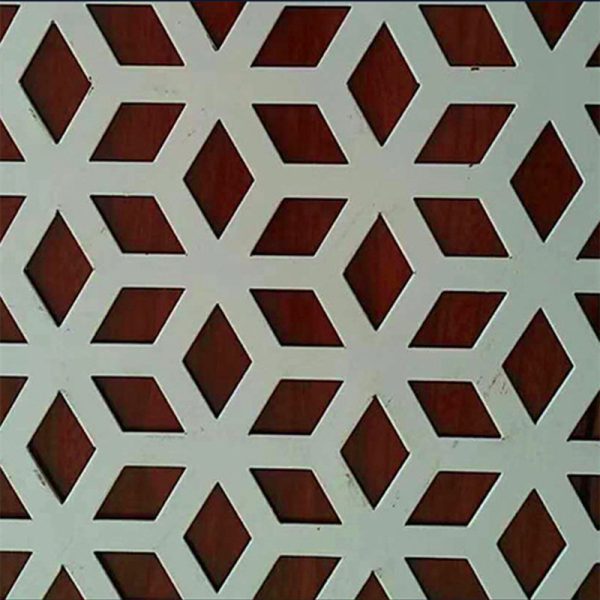

Aluminum Perforated Metal Sheets
Send a Quick Message, We’ll Do the Rest
Tell us what you need. We’ll match the right perforated aluminum sheet and quote it — no back-and-forth.
Fast quote + lead time
Sample before production if needed
Factory direct pricing
Slot Direction and Functional Performance
Airflow, Ventilation, and Pressure Drop
In ventilation and grille applications, slot direction can help guide air movement more effectively. A horizontal slot layout may create a different flow pattern than a vertical one, especially when the panel is used as a return-air face, machine guard, or architectural vent cover. The opening pattern influences how air passes through the sheet, how evenly it is distributed, and how much resistance the system feels.
For buyers comparing options, this is where obround perforated aluminum often becomes a practical choice. The elongated slot shape can deliver a useful balance of open area and material strength, while still keeping the panel visually clean.
Screening and Material Handling
In screening and separation applications, slot direction matters for more than appearance. It can influence how material moves across the surface, whether particles bridge or clear through, and how likely the panel is to clog. When the wrong orientation is used, a panel may trap fines, slow flow, or wear unevenly.
That is why a slotted perforated aluminum sheet should always be matched to the job, not selected by pattern alone. The same sheet that works well for ventilation may not be the best choice for grading, drainage, or machine shielding.
Where Slotted Perforated Aluminum Sheet Is Commonly Used
Vent Panels and Grilles
Aluminum is a strong fit for vents and grilles because it offers a good combination of corrosion resistance, low weight, and attractive finish options. In buildings, transportation equipment, and industrial enclosures, slotted panels are often chosen when the design needs consistent airflow without looking heavy or overly technical.
Architectural Facades and Infill Panels
Architects and specifiers often use slotted patterns when they want a clean linear look. Slot direction can reinforce the visual line of a façade, make a panel feel wider or taller, or help a design fit the surrounding geometry. That visual effect may sound subtle, but in exterior projects it often matters as much as the technical performance.
Machine Guards and Equipment Covers
In industrial settings, a slotted perforated panel can provide visibility, ventilation, and protection at the same time. Here, the direction of the slots should be checked against the mounting method, the expected load, and any bending or hemming that will happen after punching.

Bending and Fabrication: What Buyers Should Confirm Early
Slot Direction and Bend Lines
One of the most common mistakes is treating the punched sheet as a finished flat part when it will actually be bent later. If a bend line crosses a slot pattern, the result can include deformation, cracking around the openings, or a panel that does not sit flat after fabrication.
For that reason, buyers should always confirm slot direction before release. A panel that bends along the wrong axis may still be usable, but the finish and performance can suffer. In project work, this is not a small detail. It is a manufacturing decision.
Thickness, Alloy, and Finish
Not every aluminum sheet behaves the same way. Thickness affects stiffness, open area, and formability. Alloy affects how easily the panel can be bent, cut, or welded. Finish affects corrosion resistance, cleaning, and visual consistency. A well-prepared order for a slotted perforated aluminum sheet should define all of these items clearly before production starts.
Tolerances and Edge Condition
For B2B buyers, the real cost is not only the sheet price. It is the cost of rework, delays, and installation problems. A good supplier should be able to discuss hole alignment, edge flatness, burr control, and whether the panel will be supplied as flat stock or fabricated parts.
Parameter Checklist Before You Request a Quote
Confirm These Basics
Before sending an RFQ, it helps to define the following details:
- material alloy and temper
- sheet thickness
- slot size and slot direction
- center-to-center spacing
- open area requirement
- sheet size and cut tolerance
- surface finish or coating
- bending, forming, or secondary fabrication needs
If the project uses obround perforated aluminum, it is also worth confirming whether the slot ends should be rounded for appearance, flow performance, or easier forming.
Match the Pattern to the Application
A good specification should always connect the pattern to the actual use case. A vent panel, for example, may need a different slot direction than a decorative façade. A screening panel may need a different open area than an equipment cover. When the pattern matches the job, the panel performs better and the project moves faster.
Choosing a Supplier for Slotted Perforated Aluminum Sheet
Not every supplier can support both engineering and production details. For overseas B2B buyers, that matters. You need a partner who understands punching capability, fabrication limits, export packaging, and the way one small pattern choice can affect an entire assembly.
When you request a slotted perforated aluminum sheet, the best suppliers will ask questions before quoting. They will want to know how the panel is used, whether it will be bent, whether airflow or screening is the priority, and whether slot direction must follow a visible design line. That is usually a good sign. It means they are thinking like a manufacturing partner, not just a sheet seller.
Conclusion
Slot direction is one of those details people often overlook until the panel is already in production. But in perforated aluminum work, details are the difference between a part that merely fits and a part that actually performs.
If you are selecting a slotted perforated aluminum sheet for ventilation, screening, or architectural use, define the slot direction early, match the pattern to the application, and confirm the fabrication steps before you release the order. That is how you avoid surprises and get a panel that works the way it should.


