



Why Round Holes Still Lead in Real-World Projects
In industrial purchasing, the best material is rarely the most complicated one. It is the one that performs consistently, fits the job without extra risk, and holds up when production, installation, and long-term use all come into play. That is exactly why a round hole carbon steel perforated sheet is specified so often across filtration, guarding, ventilation, screening, and architectural metalwork.
Round holes are not just a familiar pattern. They are a practical engineering choice. They distribute stress more evenly around the opening, which helps preserve sheet strength. They also produce a clean and predictable open area, which matters when airflow, light passage, drainage, or particle control must stay consistent from batch to batch.
For buyers comparing perforated sheet options, the real question is not whether round holes are common. The real question is where round holes deliver the best balance of strength, open area, and fabrication reliability.


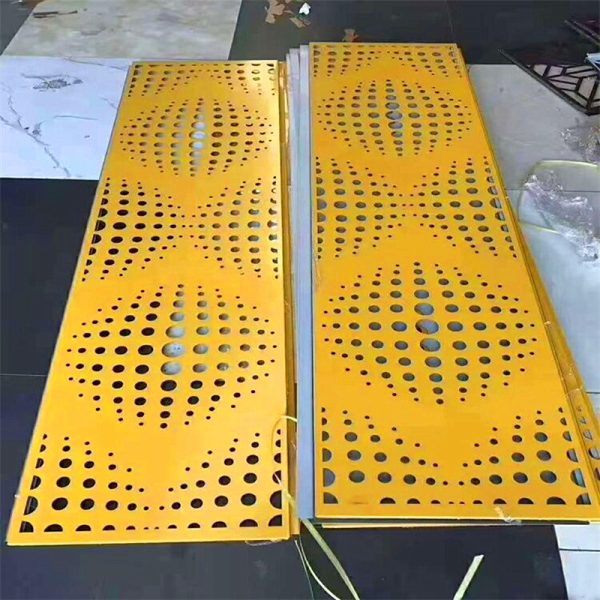
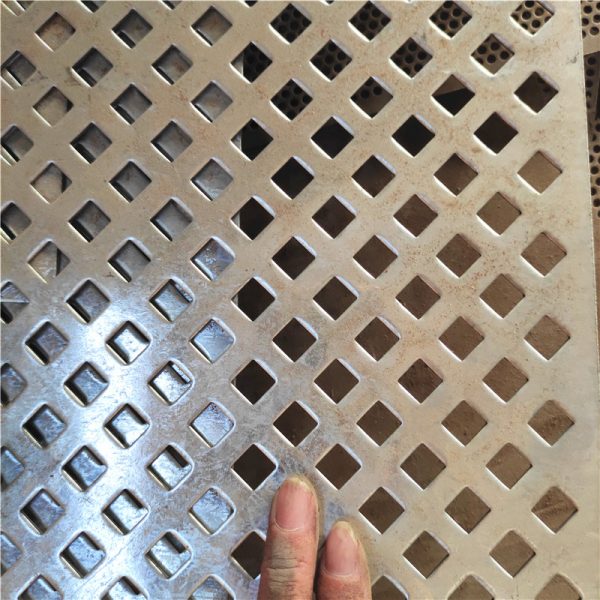
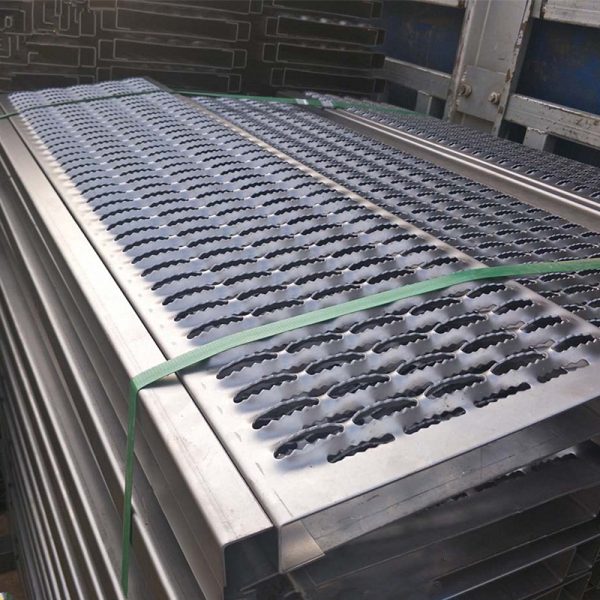

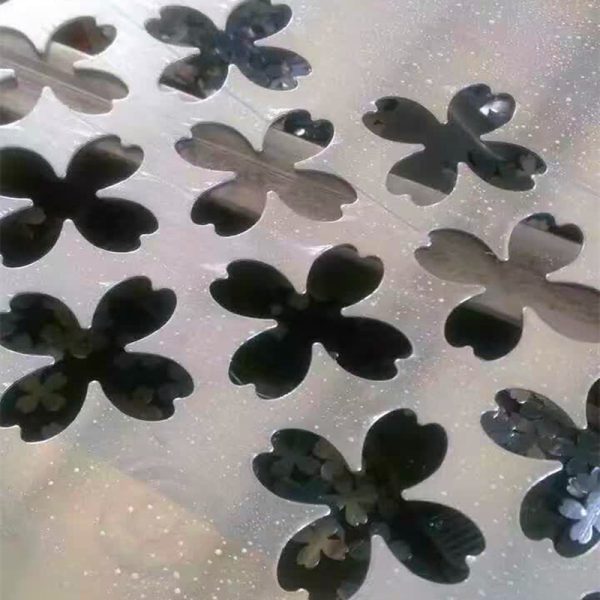
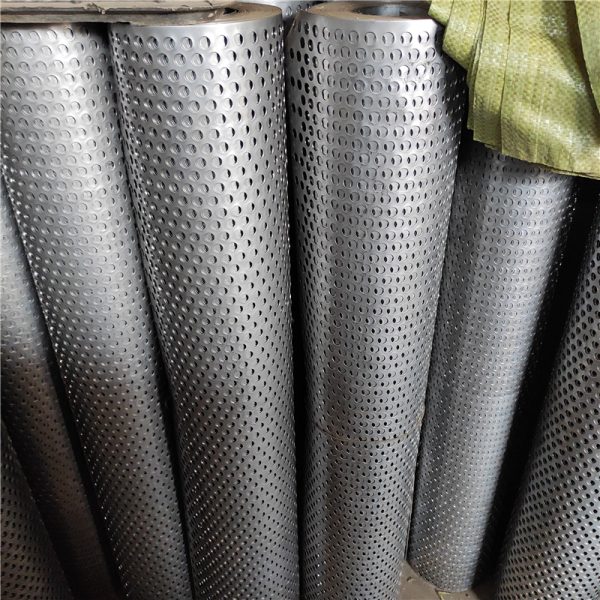
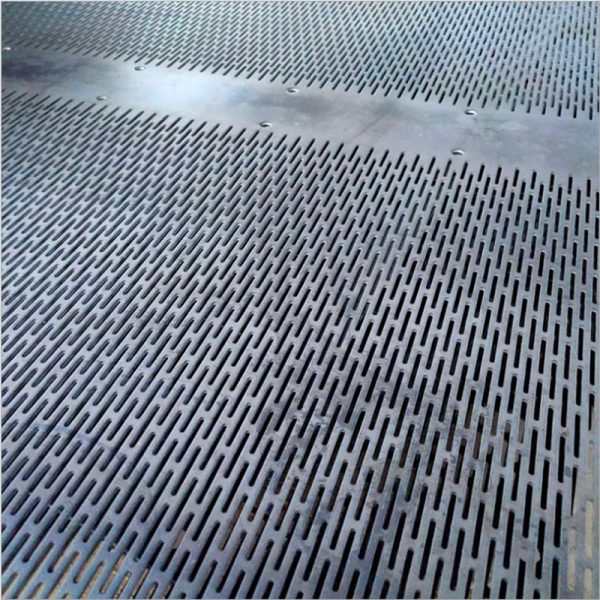
Carbon Steel Perforated Metal Sheets
We work with buyers and engineers who need carbon steel perforated sheets that are practical to manufacture and reliable in use.
If you’re preparing an RFQ or want to confirm specifications before sourcing, a short conversation often saves time on both sides.
Contact us via WhatsApp to talk through the details:
The Strength Advantage Is Built Into the Shape
A perforated sheet is only as useful as the material that remains after punching. With carbon steel, the base sheet already offers solid structural performance. Add a round perforation pattern, and you get a layout that tends to preserve that strength better than many aggressive alternative shapes.
Round openings reduce sharp stress concentration points. That matters in parts that will be handled, welded, fastened, or exposed to vibration. In practice, this means round hole patterns are often easier to trust when the sheet needs to do more than look good on a drawing.
That is also one reason many engineers prefer a 60 degree staggered perforated layout. The staggered arrangement can improve open area efficiency while keeping the panel visually balanced and mechanically stable. It is a good fit when a project needs strong performance without making the sheet feel visually busy or structurally fragile.


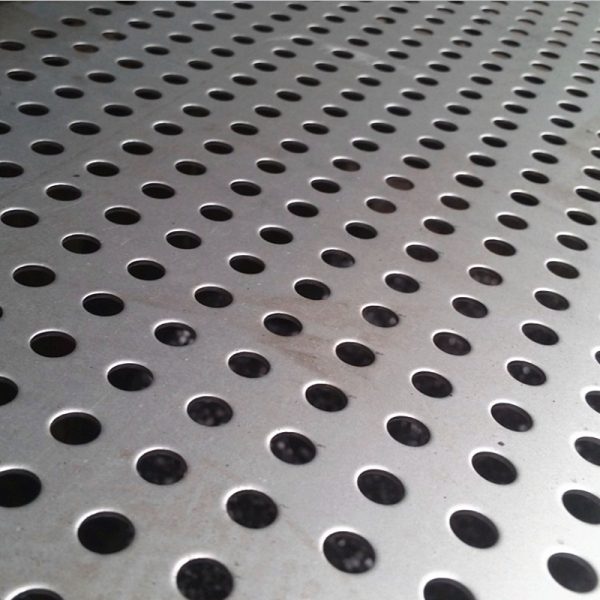
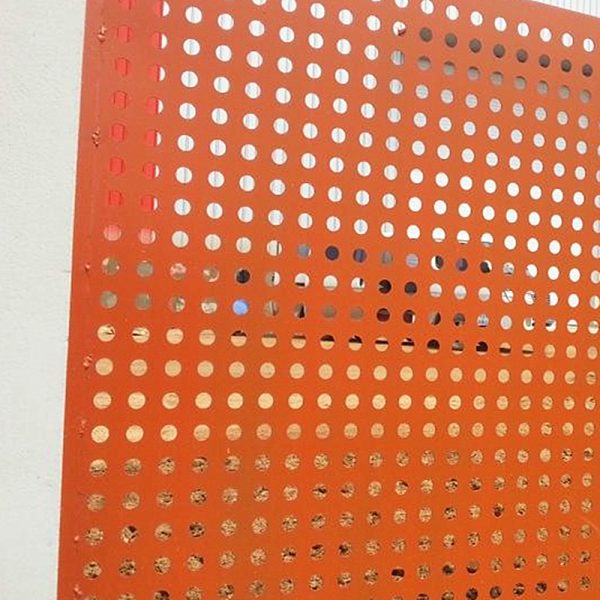
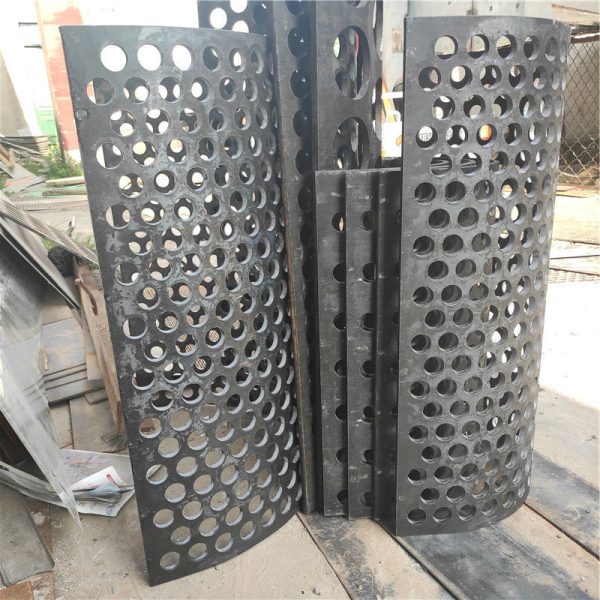

Round Hole Perforated Metal Sheets
Custom perforated metal sheets with precise hole patterns in various materials: stainless steel, aluminum, galvanized steel, carbon steel, copper, brass, and plastic. Durable and corrosion-resistant.
Perfect for architectural screens, machinery guards, acoustic panels, and decorative elements. Factory-direct pricing with cutting/bending services. Request quote or sample today.
Open Area That Performs the Way Buyers Expect
Open area is one of the first things engineers and fabricators check, because it directly affects airflow, throughput, screening performance, and visibility. A well-designed open area carbon steel perforated metal sheet can support many different industrial uses, but only when the hole size, center distance, and sheet thickness are matched correctly to the application.
Round hole patterns are especially useful when a project needs a predictable balance between strength and passage. Too much open area can weaken the panel or reduce its service life. Too little open area can restrict airflow, cause clogging, or reduce the effectiveness of the part. Round holes, especially in staggered layouts, often hit a workable middle ground.
That balance is one reason round perforations are so widely used in machine covers, equipment guards, cabinet ventilation, acoustic panels, conveyor screens, and architectural infill panels. In these settings, the sheet has to do more than open up space. It has to perform consistently under real operating conditions.
Visual Consistency Matters More Than People Admit
A lot of buyers focus on performance first, and that is right. But visual consistency matters too, especially in projects that combine engineering and architecture.
Round holes create a clean, uniform appearance that reads as orderly from a distance and precise up close. That makes them a strong choice for exposed installations, branded equipment, retail fixtures, and building elements where the product is visible to the end user. The pattern feels controlled, not ornamental. It supports the design instead of distracting from it.
For OEMs and fabricators, that consistency also helps when panels are produced in multiple lots or installed across large surfaces. Round holes tend to give a more uniform visual field than some other perforation geometries, which can matter a great deal on finished assemblies.
Carbon Steel Makes Sense When Durability and Cost Both Matter
Carbon steel remains one of the most practical materials for perforated sheet production because it combines availability, strength, and cost efficiency. In many B2B projects, that combination is exactly what keeps a design viable.
When compared with lighter or more specialized metals, carbon steel often gives buyers a stronger starting point for load-bearing parts, protective components, and industrial enclosures. It also accepts finishing systems well, including powder coating, painting, and galvanizing, depending on the corrosion requirements of the project.
That makes carbon steel a smart fit when the perforated sheet must live in a demanding environment but does not require the higher material cost of stainless steel or aluminum. In other words, the material choice is not just about price. It is about matching the sheet to the service conditions without overspending on metal that the application does not truly need.

Where Round Holes Work Especially Well
Round holes are a strong default when the project needs one or more of the following:
They support airflow while maintaining stiffness.
They offer reliable screening without introducing unnecessary sharp corners.
They create a balanced visual pattern for exposed equipment or architectural use.
They are easier to standardize across repeated production runs.
They provide a practical open-area solution for many industrial parts.
That is why a round hole carbon steel perforated sheet is often seen in machine guards, HVAC components, loudspeaker baffles, tray covers, safety screens, road and site equipment, and general-purpose industrial enclosures.
In many of these applications, the sheet does not need to be exotic. It needs to be dependable.
When You Should Look Beyond Round Holes
Round holes are strong, versatile, and efficient, but they are not always the best answer. A good supplier should be able to tell you when another geometry will do the job better.
Choose long slot perforations when the application needs directional flow, better drainage, or elongated passage for certain materials. Slots are often better for projects where debris movement, liquid runoff, or screening behavior depends on a more directional opening.
Choose square holes when the project needs a different balance of open area and passage shape, or when the visual language of the part calls for a more geometric, architectural look. Square openings can be useful in designs where the pattern must feel more modern or where certain screening characteristics are preferred.
In simple terms: round holes are often the safest all-around choice, but slot and square patterns can be better when the function is more specialized.
What Buyers Should Confirm Before Ordering
A perforated sheet is only as good as the specification behind it. Before placing an order, experienced buyers usually confirm the following:
Material thickness and grade
Hole diameter or slot size
Center spacing and stagger pattern
Open area percentage
Sheet size and tolerance
Edge condition and flatness
Surface finish or coating requirement
End-use environment, especially if corrosion is a concern
These details matter because small changes in pitch or thickness can affect airflow, weight, stiffness, and appearance. A reliable supplier should be able to help you match the sheet specification to the actual job, not just to the drawing.
The Practical Reason Round Holes Keep Winning
The strongest products are often the ones that make life easier for everyone downstream. That is the real advantage of round hole perforation in carbon steel. It is easier to specify, easier to produce consistently, and easier to use across a wide range of industrial and commercial applications.
When the project needs a panel that balances durability, open area, and clean appearance, the round hole carbon steel perforated sheet is often the most efficient answer. It may not be the most dramatic option on paper, but in the field, it is frequently the one that makes the most sense.
For many buyers, that is the difference between a panel that merely looks right and a panel that actually performs.


