Related Products
Contact-Us
Micro Perforated Aluminum
Micro Perforated Aluminum for Acoustics: Start with These Questions

Why Acoustic Projects Start with Questions, Not Just Hole Patterns Micro perforated aluminum is often selected when a project needs both acoustic control and a clean architectural surface. It is commonly used for: However, many RFQs arrive with only one request:“Need micro perforated aluminum panel.” In practice, that is rarely enough. For acoustic applications, panel […]

heavy duty perforated plate deburring
Deburring & Edge Finishing for Heavy Duty Perforated Plates: Safer Handling Checklist

Why Deburring Matters for Heavy Duty Perforated Plates Heavy duty perforated plates are widely used in industrial flooring, screening systems, machine guarding, façade support structures, and load-bearing platforms. Because these plates are usually produced from thicker materials and larger punching forces, burr formation is more likely compared with lighter gauge perforated sheets. Deburring is not […]

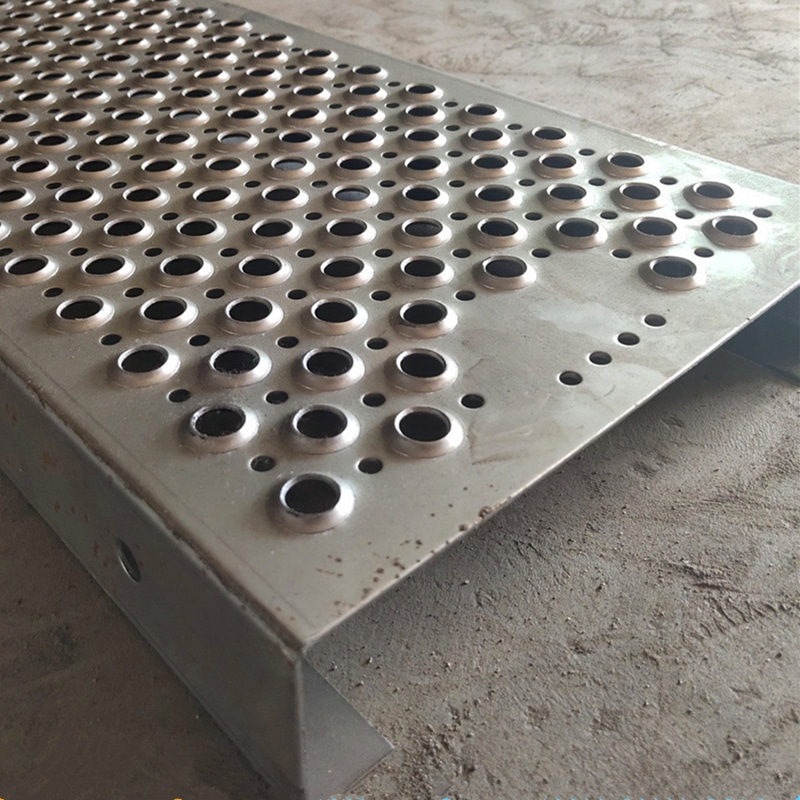
Perforated Safety Grating Plate
Manufacturing Reliable Perforated Safety Grating Plates for Stairs

Manufacturing Reliable Perforated Safety Grating Plates for Stairs Industrial stairs are exposed to constant foot traffic, moisture, dust, oil, and outdoor weather. For these applications, perforated safety grating plates are often selected because they combine slip resistance, drainage performance, and structural support. From a manufacturing perspective, however, product reliability depends on much more than choosing […]

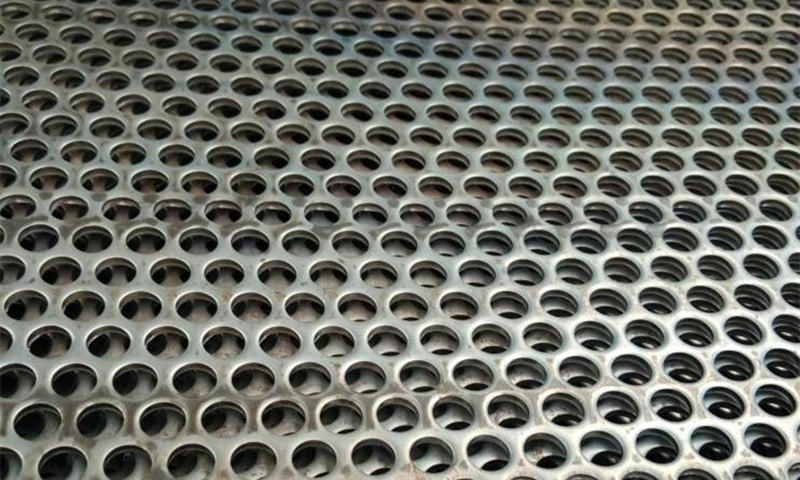
perforated screening
How Hole Size Affects Screening Efficiency and Output Quality in Perforated Metal Screens

How Hole Size Affects Screening Efficiency and Output Quality In industrial screening systems, hole size is one of the most important factors affecting separation performance. It directly influences particle classification, throughput, and the consistency of final output. Selecting the wrong perforation size can lead to reduced screening accuracy, excessive material carryover, lower production efficiency, or […]

slotted perforated stainless steel with bends
How to Achieve Precision Bends in Perforated Stainless Steel

How to Achieve Precision Bends in Perforated Stainless Steel Perforated stainless steel offers strength, corrosion resistance, and a clean architectural appearance. But once perforation is introduced, bending becomes more complicated. Many buyers encounter the same issue during project development: the flat sheet looks correct, but after bending, the holes near the bend line distort, stretch, […]

Architectural perforated panels with RAL 3020 red electrostatic powder coating
What to Check Before Using Powder Coated Perforated Panels on Building Facades

Why finish checks matter on facades Powder coating does more than change color. On a facade, it also affects how the panel reads in daylight, how the edges look after punching, and how consistent the project appears from one batch to the next. In many architectural jobs, the metal panel itself is only part of […]

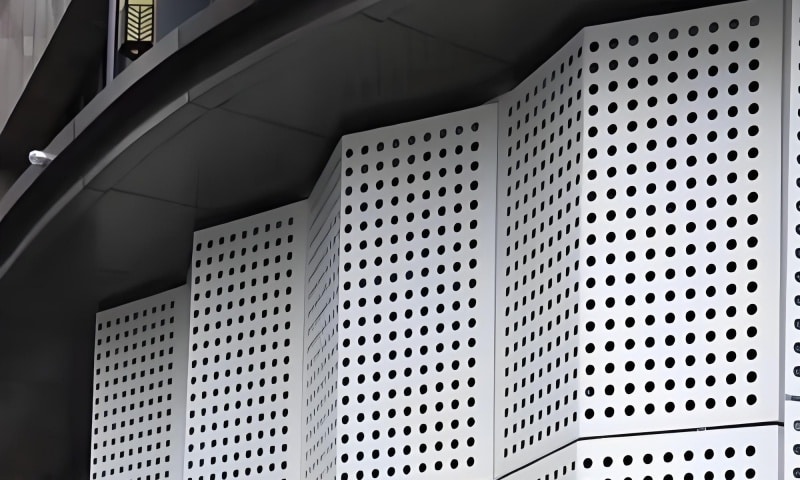
architectural perforated metal panels
Aluminum or Stainless Steel: Which Is Better for Architectural Perforated Panels?

Choosing the right metal for the project When buyers compare architectural perforated metal panels, the real question is not which metal is “better” in general. The better choice depends on the project environment, the visual target, and how the panels will be fabricated and installed. In many cases, aluminum is selected for projects where weight […]

Architectural perforated metal panels with yellow electrostatic powder coating.
What Architects Should Confirm Before Ordering Perforated Metal Facade Panels

When a facade project goes from concept to RFQ, the main risk is often not the hole size itself. It is the missing production detail behind it. With perforated metal facade panels, small gaps in the drawing can create large differences in appearance, fixing, flatness, or finish once the panels reach site. For architects, contractors, […]

architectural perforated panel
How Open Area Changes the Look and Function of Architectural Perforated Panels

Why open area matters more than the number on the drawing In architectural perforated metal panels, open area is not just a catalog value. It affects how the panel looks from a distance, how much light passes through, how much air moves behind the skin, and how private the space feels. In many RFQs, the […]

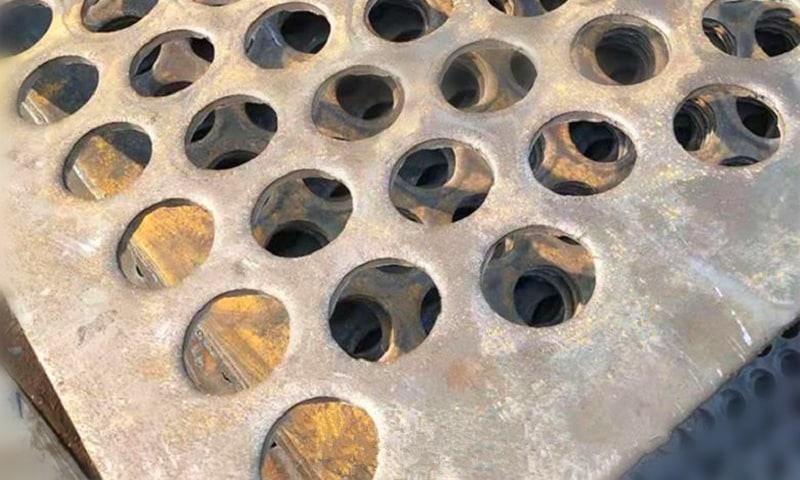
Heavy gauge carbon steel round hole punched panels
When to Specify Heavy Gauge for Your Round Hole Punched Panels

When it comes to selecting perforated panels for industrial applications, the gauge (thickness) of the metal can make all the difference, especially in demanding environments. In industries such as mining, construction, and heavy machinery, the choice of material and its thickness directly impacts the panel’s performance. For applications where durability, high strength, and resistance to […]