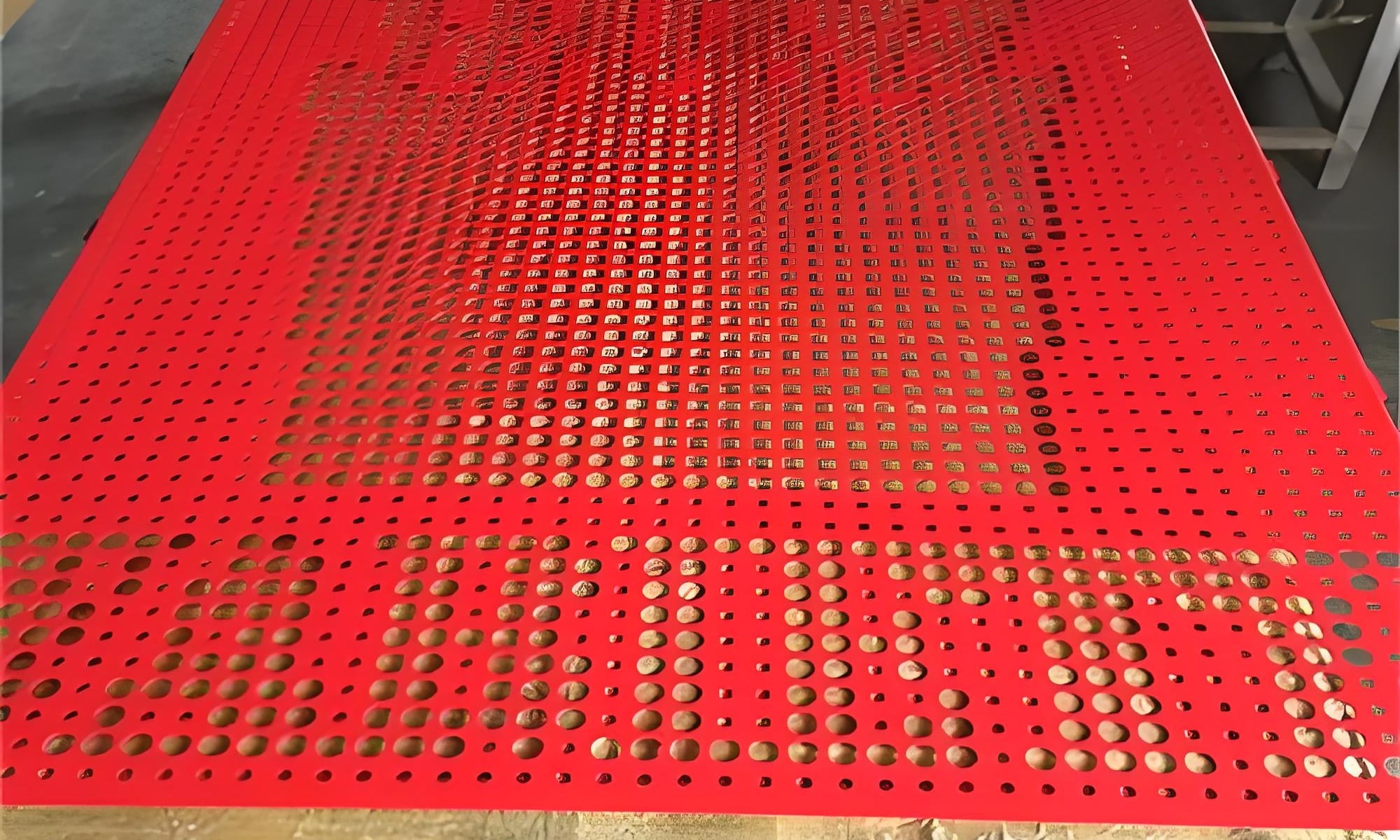
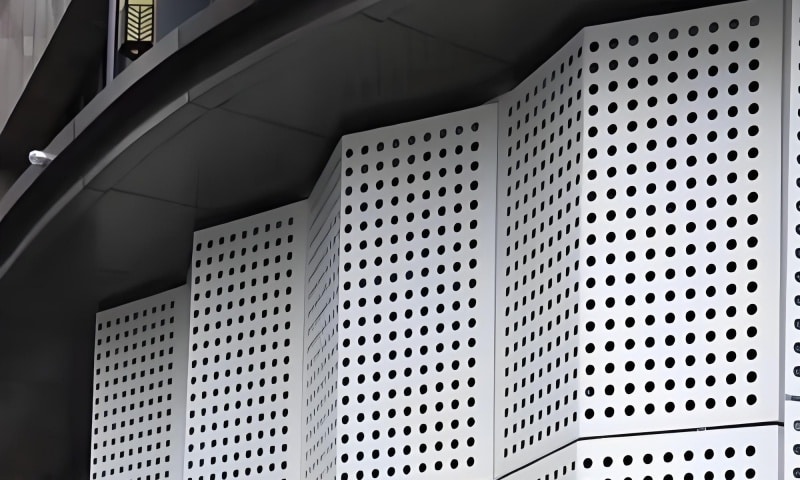
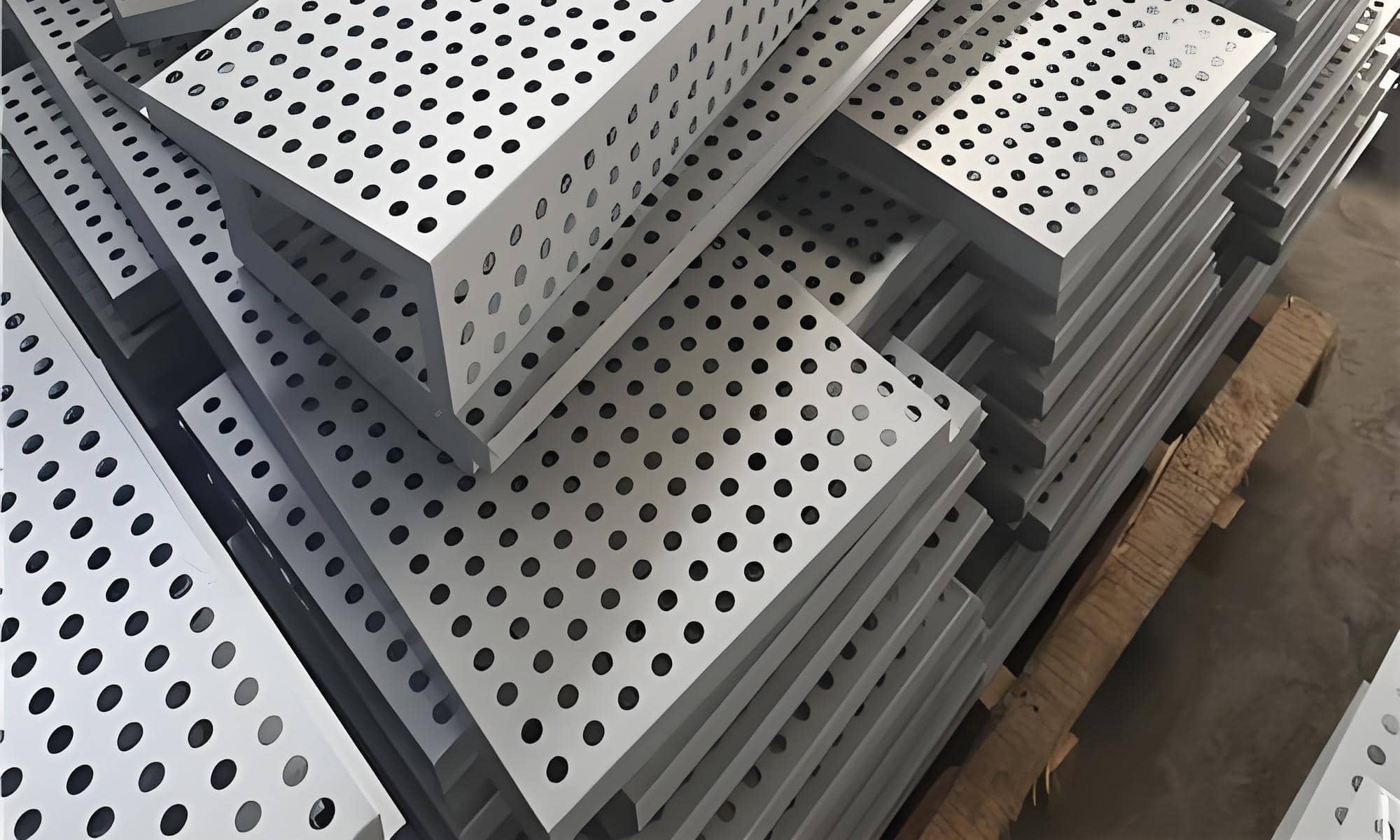
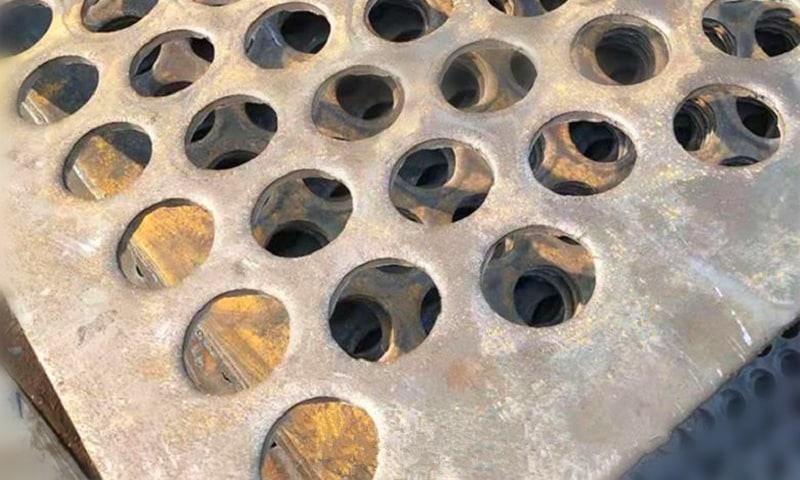
Aluminum perforated metal sheet has become a go-to material for architects, designers, and engineers who need a balance of reduced weight and strong visual impact. Its combination of lightness, corrosion resistance, and excellent formability opens creative possibilities across façades, interior partitions, sunscreens, acoustic linings and decorative panels.
Why aluminum is naturally lightweight
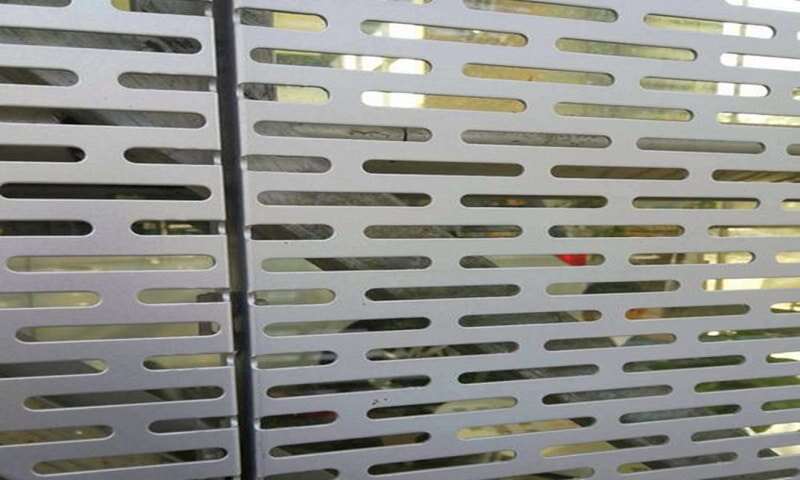
Aluminum’s low density is the foundation of the lightweight advantages for the aluminum perforated metal sheet. Compared with steel, the same panel thickness of aluminum significantly reduces dead load, which lowers structural demand and allows simpler framing and lighter substructures. The perforation pattern itself further reduces material volume while retaining stiffness — especially when patterns are engineered to create directional ribs and optimized span behavior.
Performance benefits in construction and transport
Using an aluminum perforated metal sheet dramatically decreases handling costs and installation time. Lighter panels typically require fewer installers, smaller lifting equipment, and shorter on-site assembly windows. Shipping weight for long-distance projects is lower, reducing freight cost and carbon output. For curtain-wall cladding, acoustic baffles, or vehicle body panels, aluminum perforated metal sheets provide a favorable strength-to-weight ratio that helps designers meet structural, regulatory, and sustainability targets.
Thermal, acoustic and ventilation advantages
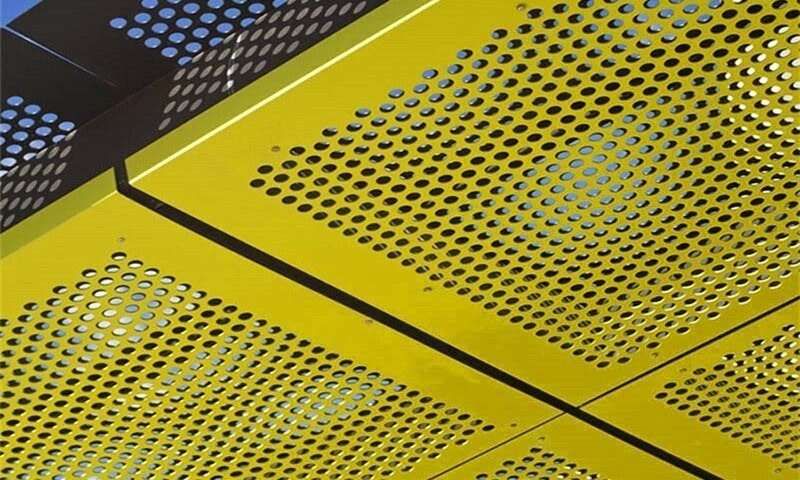
A well-designed aluminum perforated metal sheet can act as an effective sunshade: it diffuses solar gain while admitting daylight, improving occupant comfort without sacrificing exterior transparency. In acoustic installations, a perforated aluminum face paired with absorptive backing reduces reverberation and controls mid-to-high frequency noise — a common solution in auditoriums, restaurants, and open-plan offices. For equipment housings and HVAC panels, perforation patterns enable required airflow without exposing internal components.
Aesthetic and decorative applications
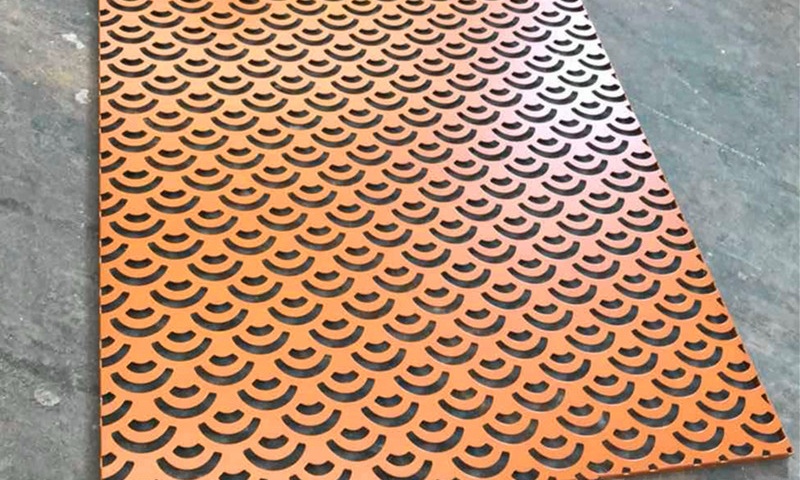
Beyond performance, the decorative potential is a major reason clients choose aluminum perforated metal sheet. The metal can be anodized, powder coated, or left mill-finished depending on design intent. Common decorative uses include:
- Architectural façades and sunscreens
- Interior feature walls and ceiling clouds
- Decorative screens, privacy partitions, and balustrades
- Retail fixtures, signage backdrops, and exhibition stands
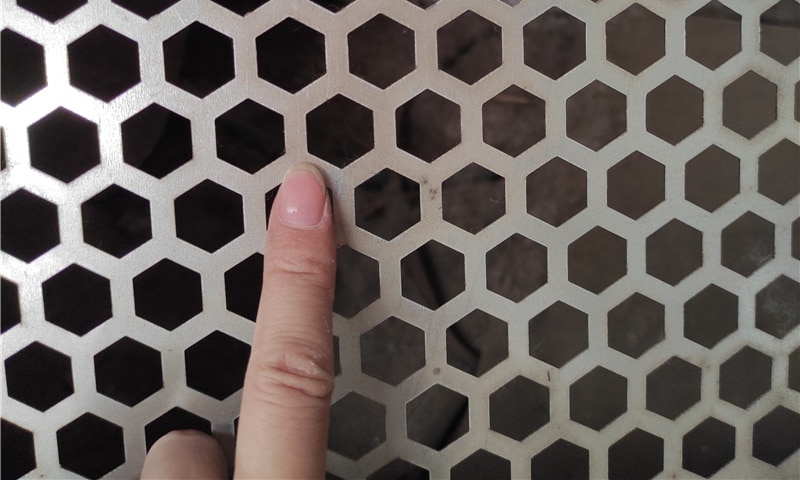
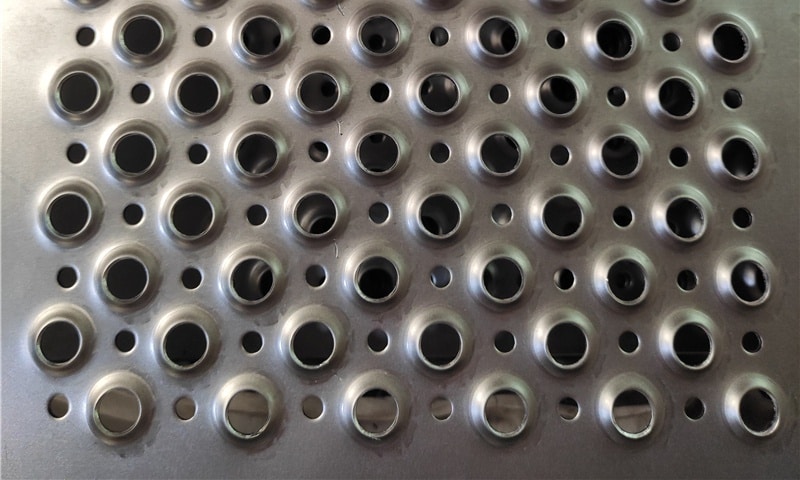
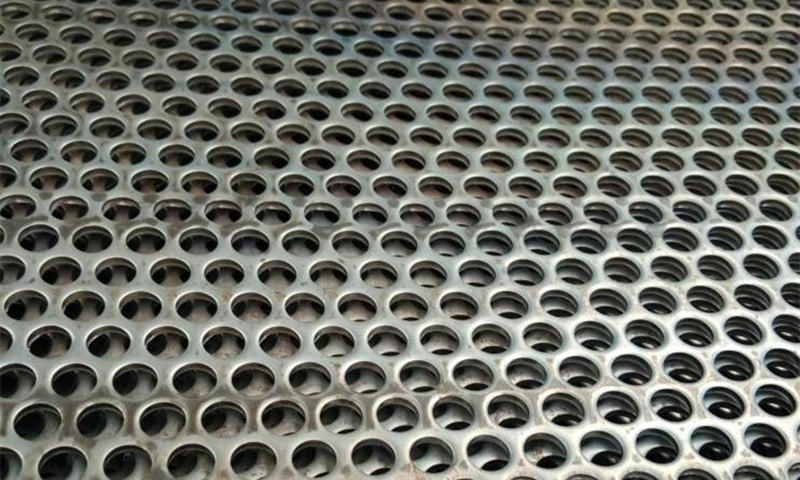
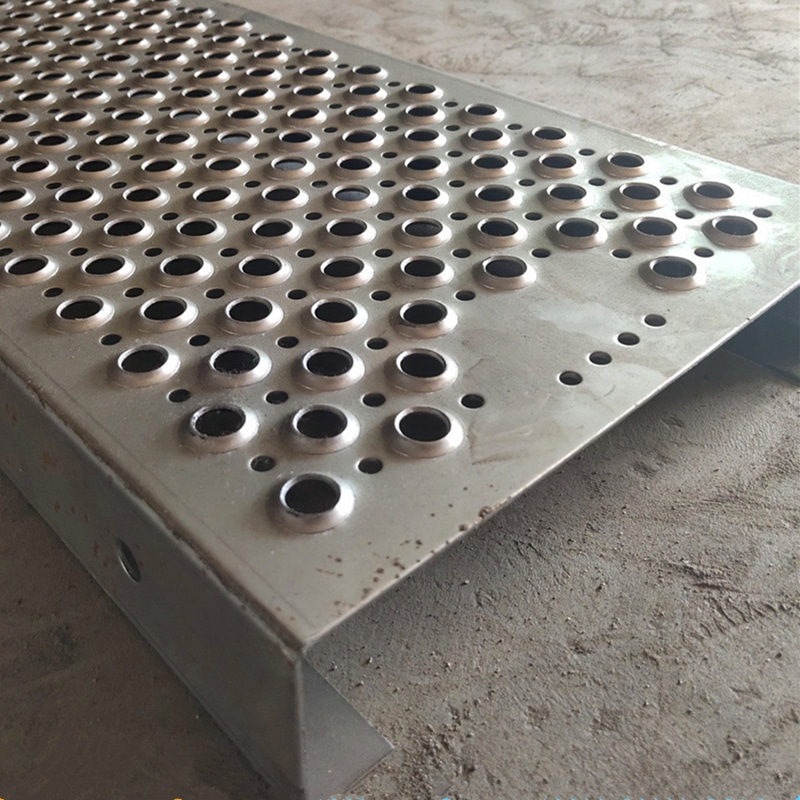
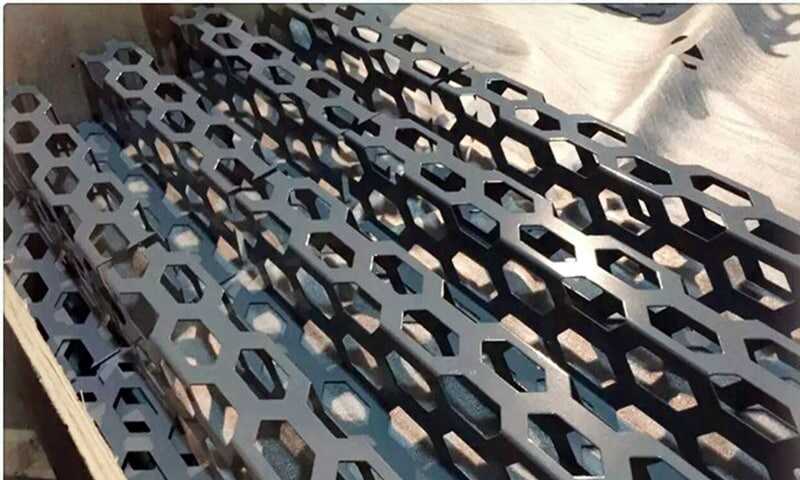
Designers can choose round, square, hexagonal, slot or custom-shaped holes; varying hole size or pitch creates gradients, visual textures, and dynamic light-and-shadow effects that animate a façade throughout the day.

Customization and manufacturing flexibility
We manufacture aluminum perforated metal sheets in custom patterns, thicknesses, and panel sizes. CNC punching and laser options allow precise control over hole layout, edge condition, and nesting efficiency. For projects emphasizing acoustic performance, laminated assemblies with acoustic membranes and perforated aluminium faces are available. We also provide CAD files, nesting plans, and production samples to speed approval and reduce RFI cycles.
Installation tips and structural considerations
When specifying aluminum perforated metal sheet, consider the following practical points to ensure long-term performance:
Support spacing: Match panel thickness and hole pattern to expected spans to limit deflection.
Edge treatment: Folded hems, boxed edges, or welded frames increase rigidity and conceal fasteners.
Fasteners & corrosion: Use compatible stainless steel fasteners and isolators where aluminum meets dissimilar metals to prevent galvanic corrosion.
Thermal movement: Allow for expansion/contraction in long runs — aluminum has a higher coefficient of thermal expansion than steel.
Backings & insulation: For acoustic or thermal assemblies add appropriate backer materials and vapor control layers.
Addressing these details at the specification stage protects both appearance and function.
Sustainability and life-cycle advantages
Aluminum is highly recyclable and retains material value at end-of-life. Choosing an aluminum perforated metal sheet supports circular design principles and can contribute to credits in green building rating systems for recycled content and durability. Additionally, finishes such as anodizing or high-performance PVDF reduce repaint frequency and long-term maintenance footprint.
Maintenance and cleaning
Routine maintenance of aluminum perforated metal sheet is straightforward: mild detergent and low-pressure rinsing keep most finishes clean. Avoid abrasive cleaners on anodized surfaces. For perforated panels that include acoustic infill, periodically inspect seals, fasteners, and backing to prevent moisture ingress and maintain acoustic performance.
Common specifications and finishes
Typical options we offer for aluminum perforated metal sheets:
- Common alloys: 3003, 5052, 6061 (selected by strength and finish requirements)
- Thickness range: 0.5 mm to 6 mm (custom gauges available)
- Hole patterns: round, square, hex, slot, cross, custom shapes
- Finishes: mill, anodized, powder coat, PVDF for superior weathering
Case studies and real-world examples
Recent projects using aluminum perforated metal sheets include commercial façade systems that reduced subframe cost, acoustic ceiling installations that improved speech intelligibility, and retail backdrops that created memorable brand settings. In each example, clients benefited from easier installation, lower framing costs, and striking visual results. Project photos and references are available on request.
Why choose our factory
As a specialized factory producing perforated metal, we combine manufacturing capacity with engineering support. From prototype samples to large-volume runs, our team helps optimize pattern layouts for structural efficiency, acoustic needs, and visual intent. We offer quick sample turnaround, production traceability, and finish testing to meet demanding project schedules.
If you’re specifying panels for a project, request samples and a free structural/weight comparison that quantifies how much an aluminum perforated metal sheet saves in framing and transport costs. Contact our sales team or visit our product page to download technical data and request a custom quote.