When selecting galvanized perforated metal sheets for outdoor environments, one of the most overlooked yet critical factors is the galvanized coating thickness. Although the base metal and the perforation pattern both influence performance, the amount of zinc applied on the steel surface plays a decisive role in resisting corrosion, moisture, and long-term weather exposure.
To help global buyers and engineers better understand this topic, this article explores how coating thickness affects weather resistance, what thickness ranges are commonly referenced, and how to choose suitable specifications for different applications.
Why Zinc Coating Thickness Matters
Galvanizing protects steel through two main mechanisms: barrier protection and cathodic protection. A thicker zinc layer provides a longer-lasting barrier between the steel substrate and the external environment. It also offers stronger sacrificial protection when the surface is scratched or exposed.
Because perforated sheets have open areas, edges, and punched surfaces, they are more sensitive to corrosion in harsh environments. For this reason, a well-controlled coating layer greatly improves performance.
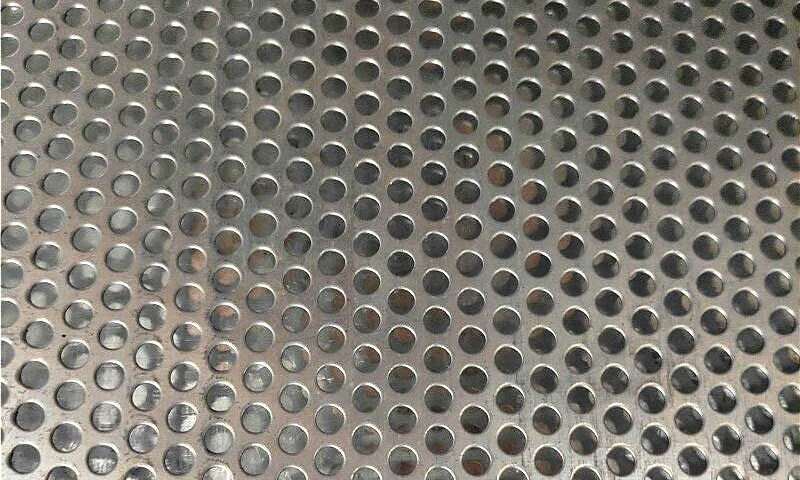
Reference Ranges for Galvanized Coating Thickness
In global markets, the thickness of the galvanized layer is often expressed in microns (µm). Below are typical reference ranges used in industrial applications (values may vary by standard and process):
- Light zinc coating: approx. 10–20 µm
Suitable for indoor or low-corrosion environments. - Medium zinc coating: approx. 20–40 µm
Common for general outdoor use, ventilation systems, and basic safety guards. - Heavy zinc coating: approx. 40–80 µm
Recommended for aggressive environments such as coastal regions or industrial outdoor installations.
Thicker coatings usually extend the service life significantly, especially when the perforated panel is exposed to rain, dust, UV radiation, or temperature fluctuation.
Weather Resistance and Real-Application Scenarios
1. Outdoor Architectural Cladding
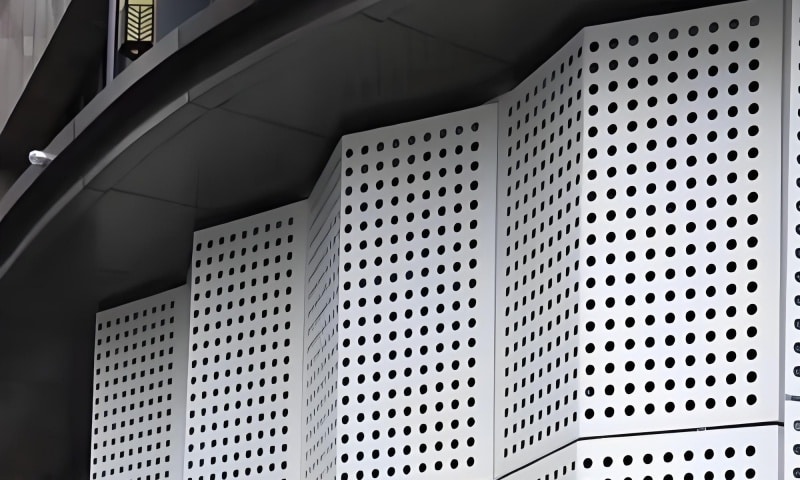
Buildings using decorative perforated cladding panels typically need consistent appearance and color stability. A medium to heavy galvanized coating helps prevent spotting and premature oxidation.
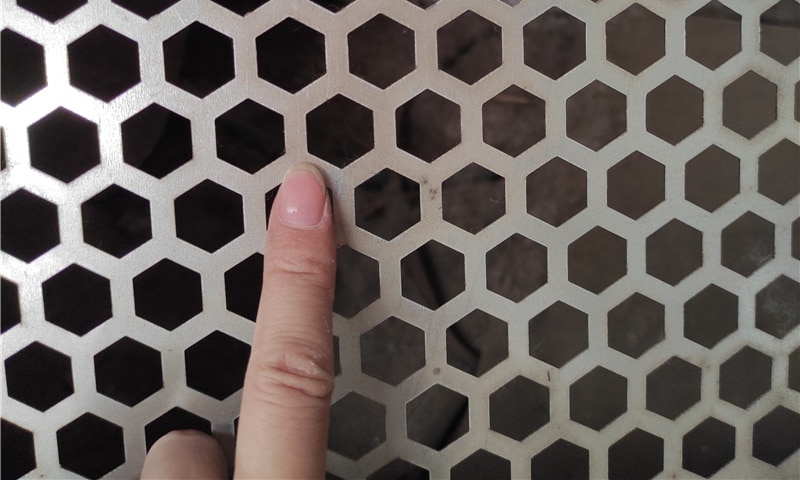
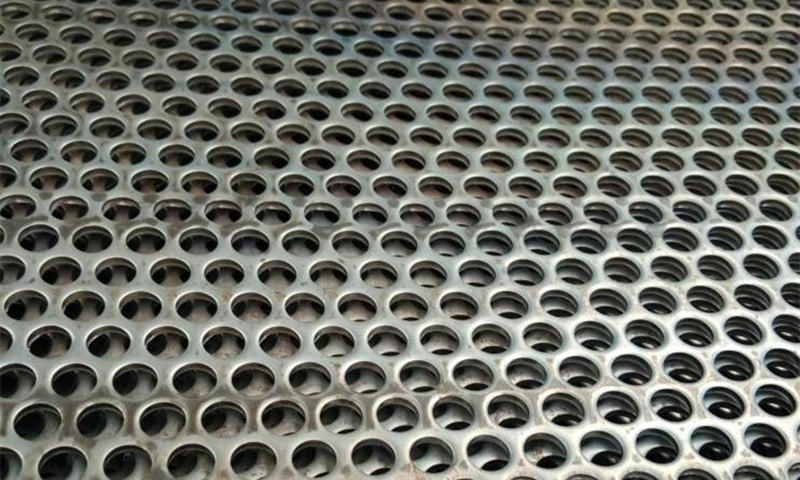
You can also combine galvanized steel with different perforation shapes, such as round hole perforated metal, square perforated sheets, or hexagonal perforated metal panels, depending on the architectural design.
2. Industrial Ventilation and Screening
In factories, mechanical workshops, and energy facilities, filters and screens made from carbon steel perforated sheets often operate in humid or dusty areas. A thicker galvanized coating ensures the panels maintain rigidity and resist deterioration over time.
3. Safety Flooring and Grating
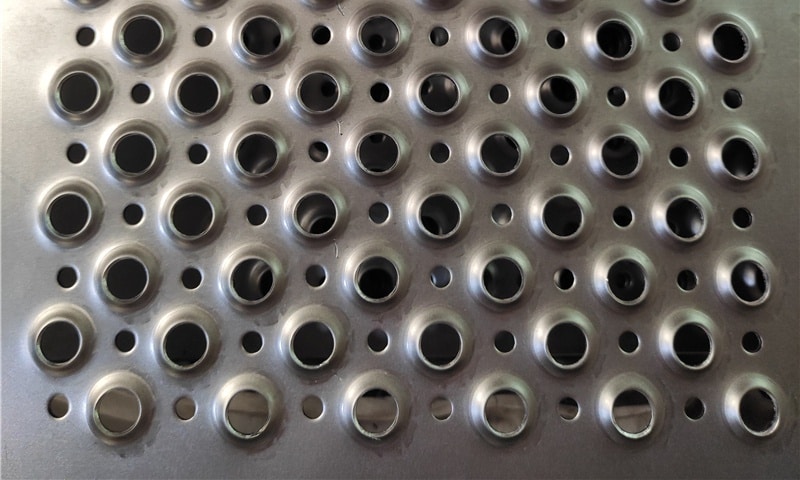
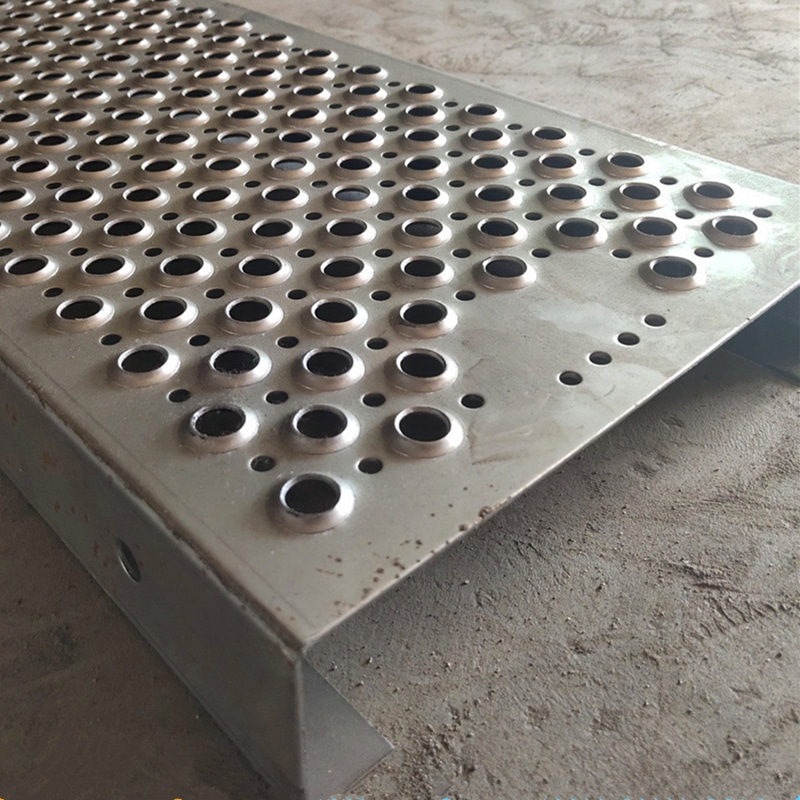
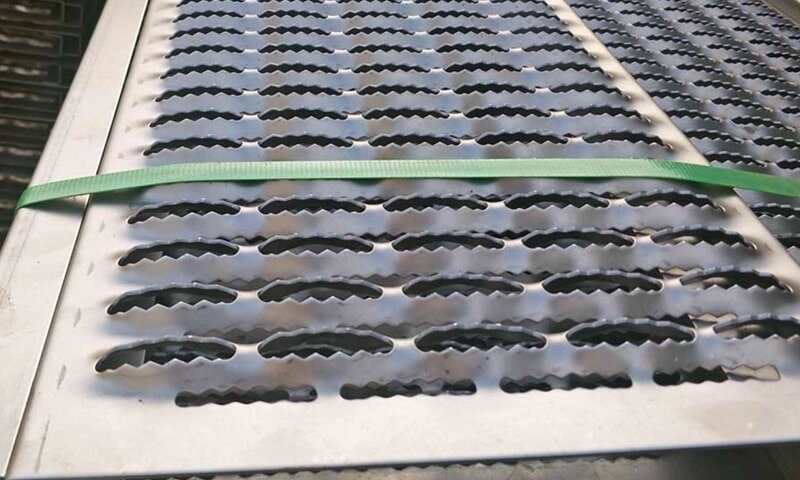
For outdoor walkways, stair treads, and platforms, using products such as Perforated Safety Grating with a stable galvanized layer helps reduce maintenance needs and ensures long-term anti-slip performance, especially in rainy climates.
How Coating Thickness Affects Longevity
Corrosion Rate
Zinc corrodes at a predictable rate in most environments. A thicker coating means more zinc available before the steel substrate becomes vulnerable.
Resistance to Scratches and Abrasion
Perforated metal is often handled, cut, or installed using tools. Thicker coatings are better at withstanding physical abrasion during installation or maintenance.
Performance in Perforated Edges
Punching creates exposed metal edges. Although galvanizing provides cathodic protection, thicker coatings compensate better for these exposed areas.
Choosing the Right Coating for Your Application
To make the best decision, consider the following factors:
- Environment: coastal, industrial, rural, or indoor
- Expected service life: short-term projects vs. long-term installations
- Material preference: galvanized steel vs. stainless steel perforated metal for extreme corrosion resistance
- Perforation type and open area: round, slot, micro-hole, or microporous perforated metal sheet for precision airflow
For example, aluminum perforated panels are widely used for lightweight applications, but galvanized steel remains the preferred option for heavier structural or protective use due to its mechanical strength and cost efficiency.
Conclusion
The thickness of the galvanized coating is a decisive factor in determining the weather resistance and long-term durability of perforated metal sheets. By selecting an appropriate coating range and combining it with the right base material and perforation pattern, buyers can significantly enhance the performance of their projects.
If you are exploring customized options for galvanized perforated sheets—or other materials such as stainless steel, aluminum, high-manganese steel, or micro-perforated panels—you can contact us to get tailored specifications that match your environment and engineering requirements.
Email: info@perfsheet.com