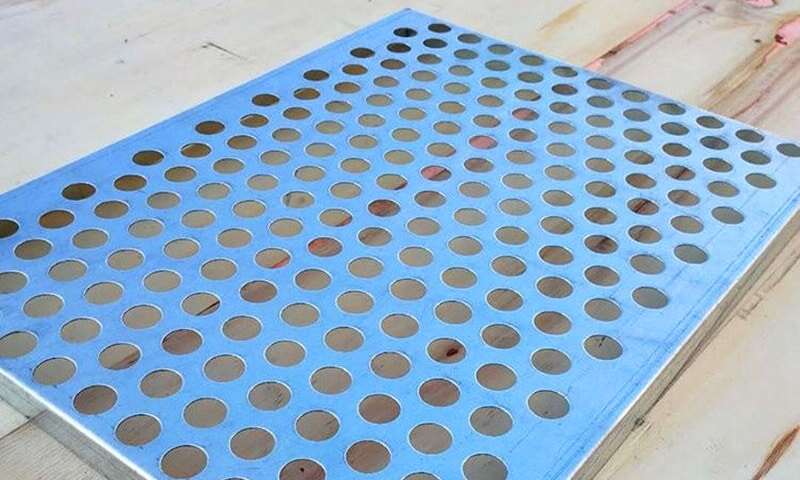
In modern industrial environments, where metal materials are constantly exposed to moisture, chemical vapors, and outdoor conditions, corrosion resistance is a critical factor in material selection. Among various perforated metals, galvanized perforated metal sheets stand out as a cost-effective and durable solution for applications that demand both mechanical strength and protection against rust.
1. The Anti-Corrosion Mechanism of Galvanization
Galvanization is a process that coats a steel sheet with a thin layer of zinc. The zinc coating acts as a sacrificial barrier, meaning it corrodes preferentially to the base metal. This process effectively protects the steel substrate even if the surface is scratched or damaged.
When the zinc coating interacts with oxygen and moisture, it forms zinc oxide and subsequently zinc carbonate, creating a stable, insoluble protective layer. This self-healing property ensures long-term resistance to corrosion in harsh industrial settings such as factories, ventilation systems, and outdoor machinery.
2. Industrial Applications and Performance Benefits
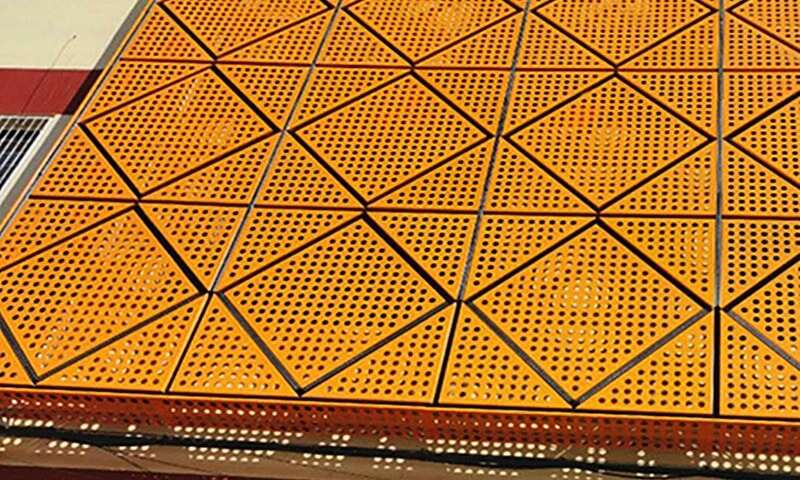
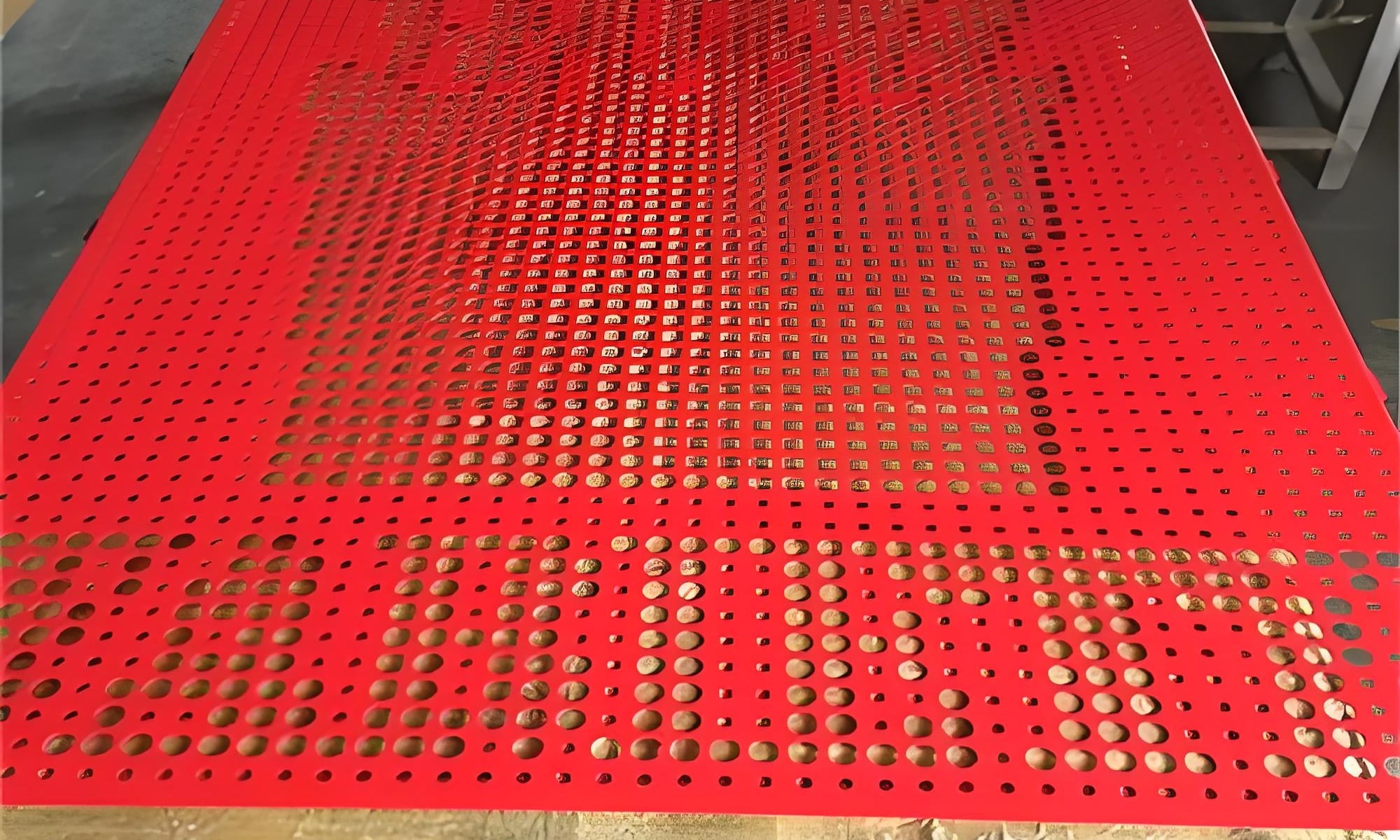
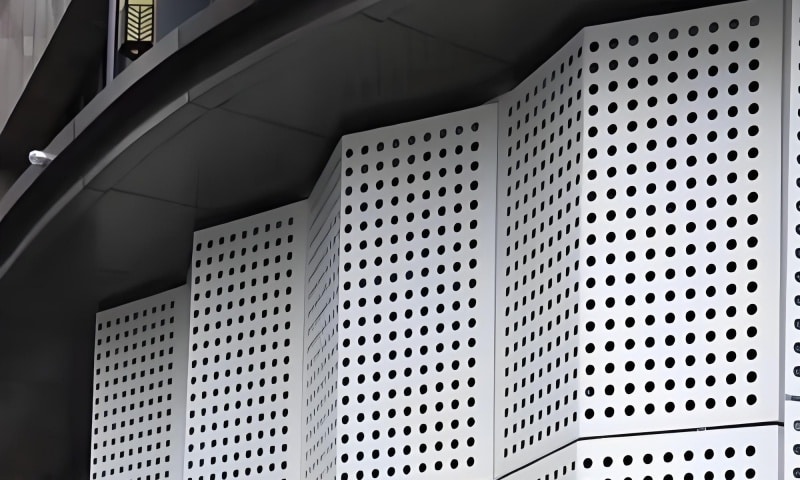
Galvanized perforated metal sheets are widely used in industries such as construction, filtration, ventilation, acoustic control, and safety protection. The perforated design allows for excellent airflow and drainage while maintaining structural integrity.
For instance, in industrial ventilation ducts or machine enclosures, galvanized perforated panels prevent dust accumulation and provide efficient air circulation. In acoustic panels, the zinc coating ensures a longer lifespan even in humid environments.
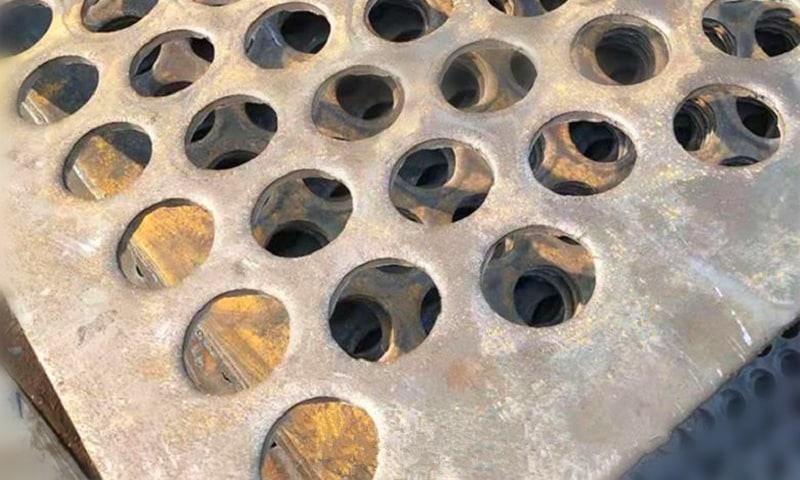
Compared with a Carbon Steel Perforated Metal Sheet, the galvanized version offers superior resistance to oxidation and chemical corrosion while maintaining comparable strength and formability. On the other hand, when compared with a Stainless Steel Perforated Metal Sheet, galvanized sheets are more economical, making them a practical choice for large-scale industrial installations.
3. Common Perforation Types for Galvanized Sheets
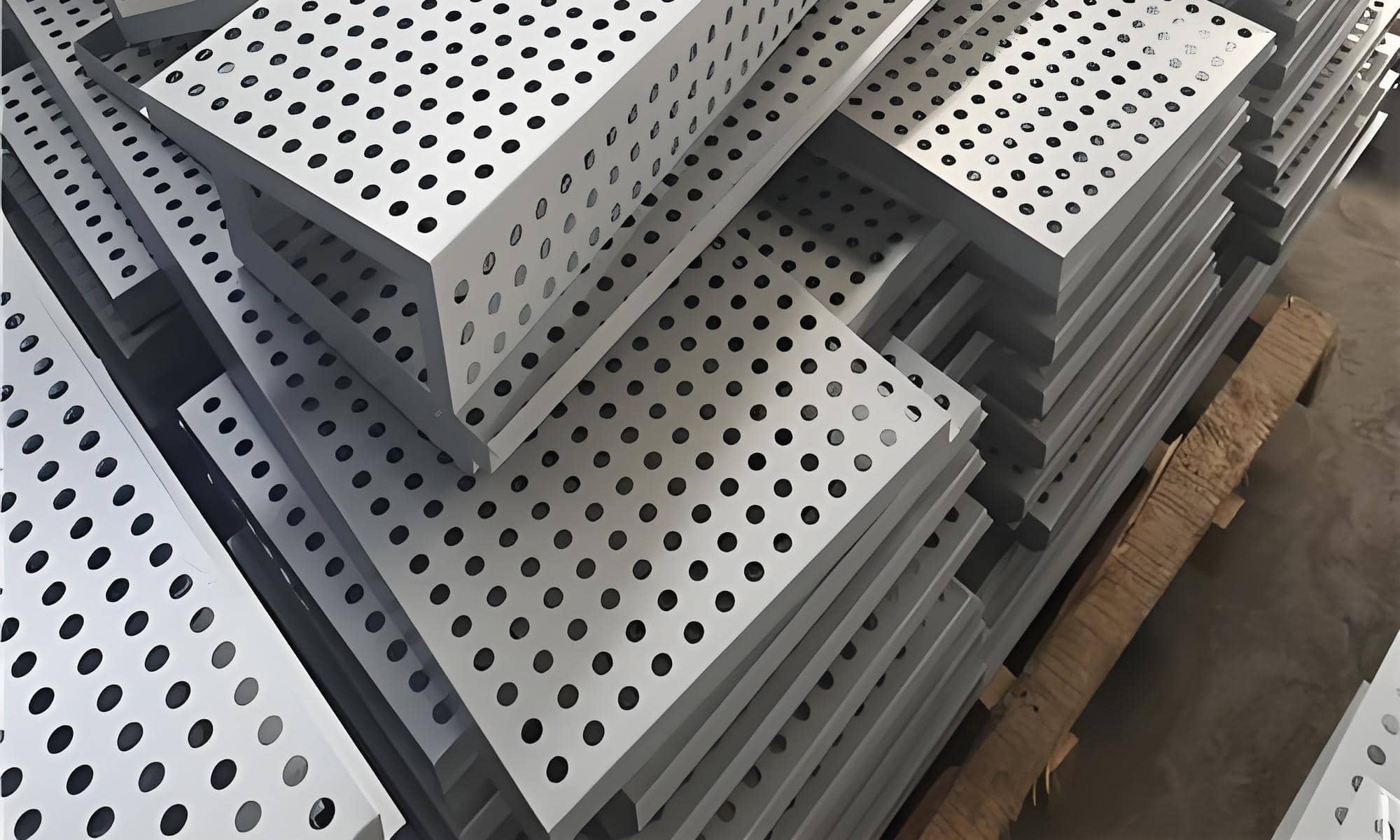
To meet different engineering requirements, galvanized perforated metal sheets can be customized with various hole patterns and open area ratios.
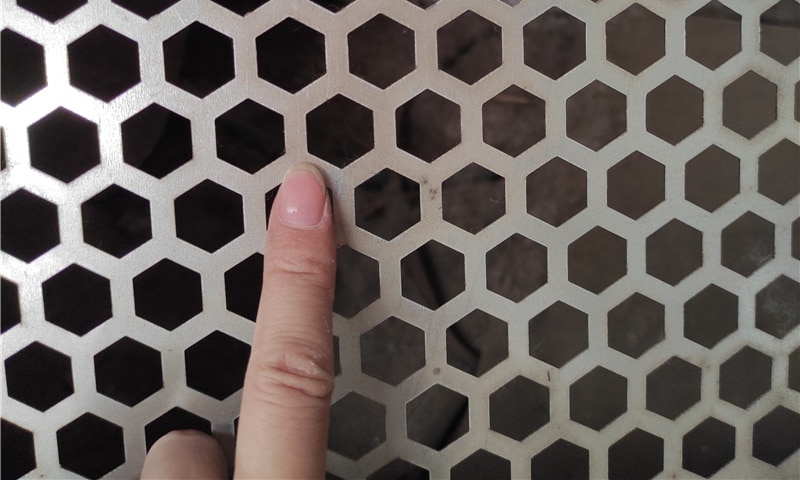
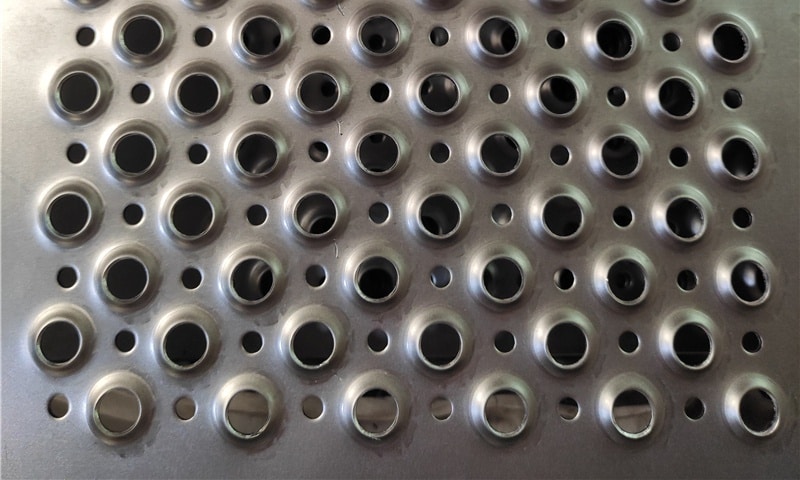
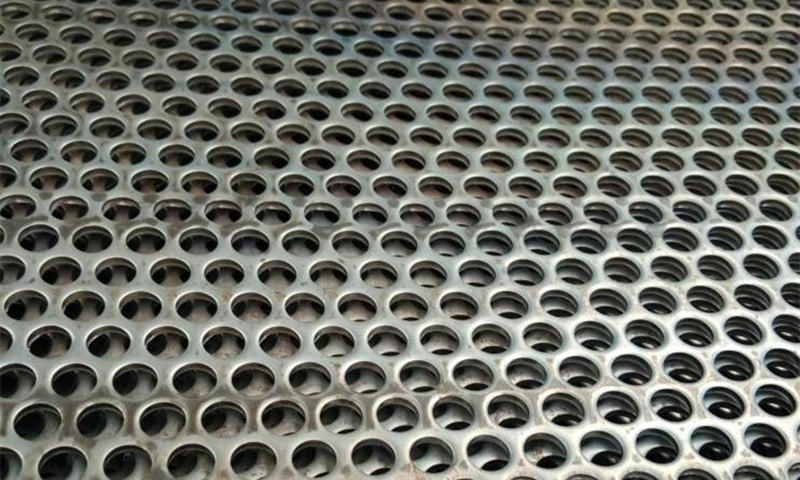
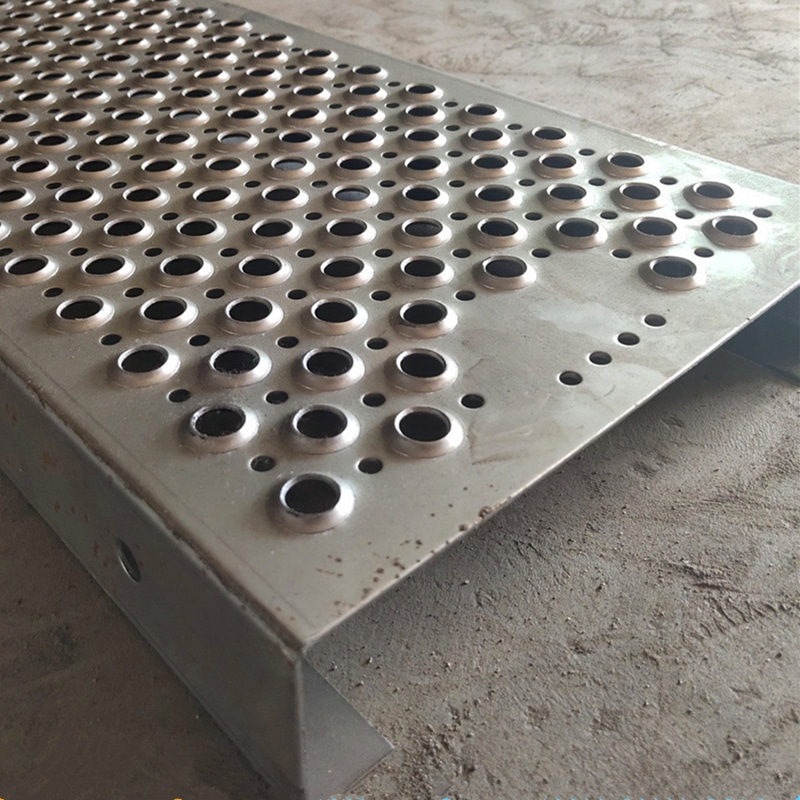
The Round Hole Perforated Metal Sheet is the most common design due to its balanced strength and ventilation properties. However, slot holes, hexagonal holes, and decorative perforations can also be produced depending on specific project needs.
At Anping Senchi Metal Wire Mesh Co., Ltd., we provide customized perforated metal solutions that allow clients to choose from different sheet thicknesses, hole diameters, and materials—including carbon steel, stainless steel, aluminum, and high manganese steel. Our flexible production ensures that each project, whether a single prototype or bulk order, meets exact technical specifications.
4. Why Choose Galvanized Perforated Sheets from China
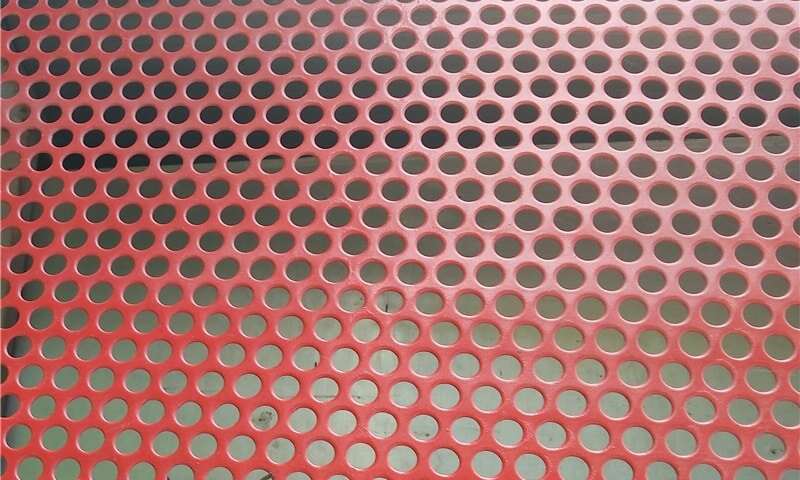
Chinese manufacturers have developed advanced galvanizing and punching technologies that guarantee high-quality finishes, accurate tolerances, and competitive prices.
As a professional factory based in Anping, China, we specialize in customized perforated metal sheets from China—offering fast delivery, one-stop design support, and material traceability for every batch.
Conclusion
The Galvanized Perforated Metal Sheet combines the mechanical benefits of steel with the corrosion resistance of zinc, making it a versatile and economical choice for industrial use. Its protective coating ensures long-lasting performance under harsh conditions, reducing maintenance costs and extending service life.
Whether used in ventilation systems, acoustic barriers, or filtration equipment, this material continues to play a crucial role in modern industrial engineering.