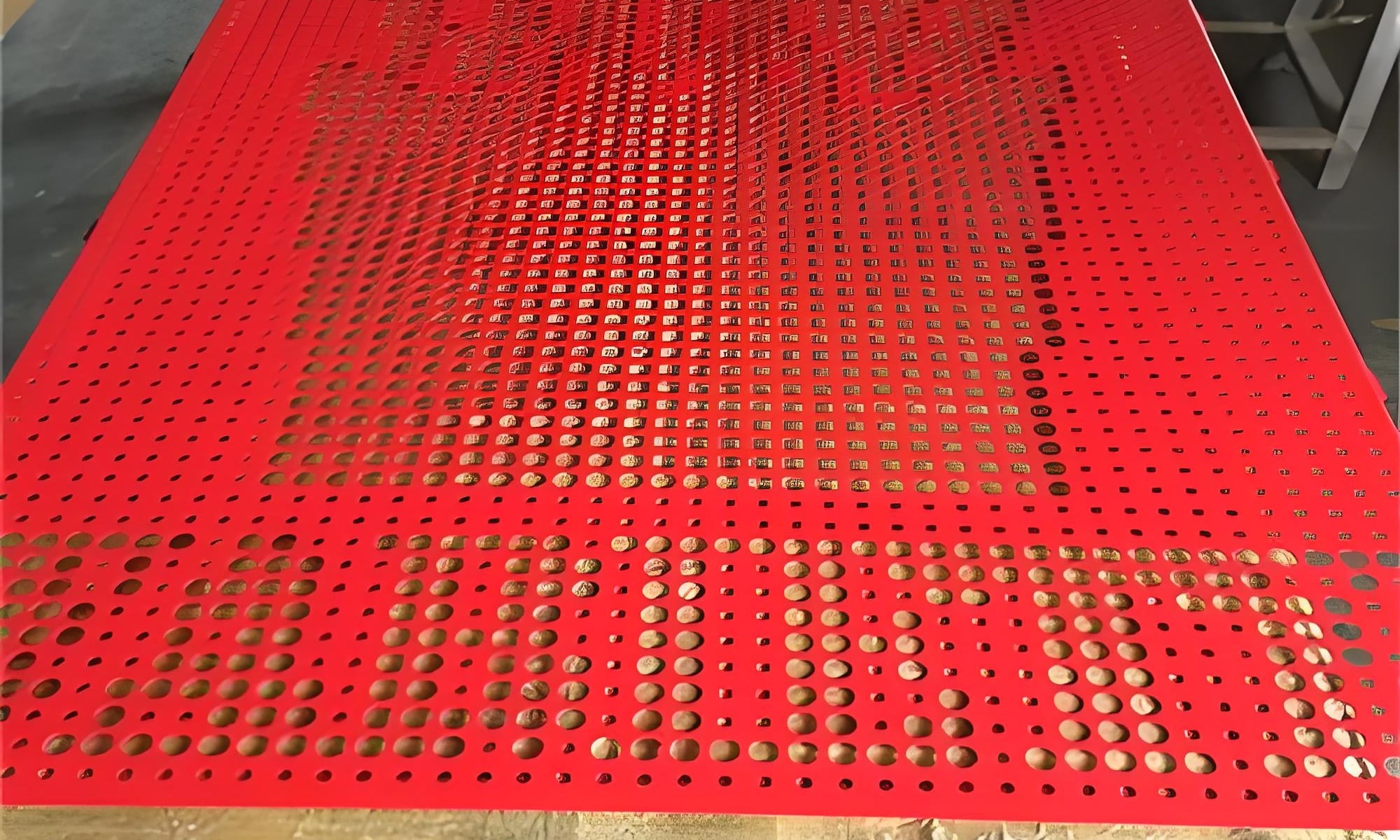
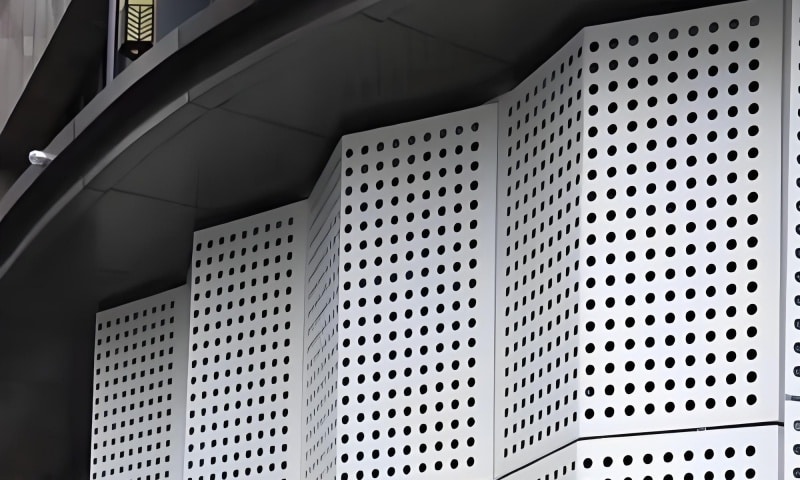
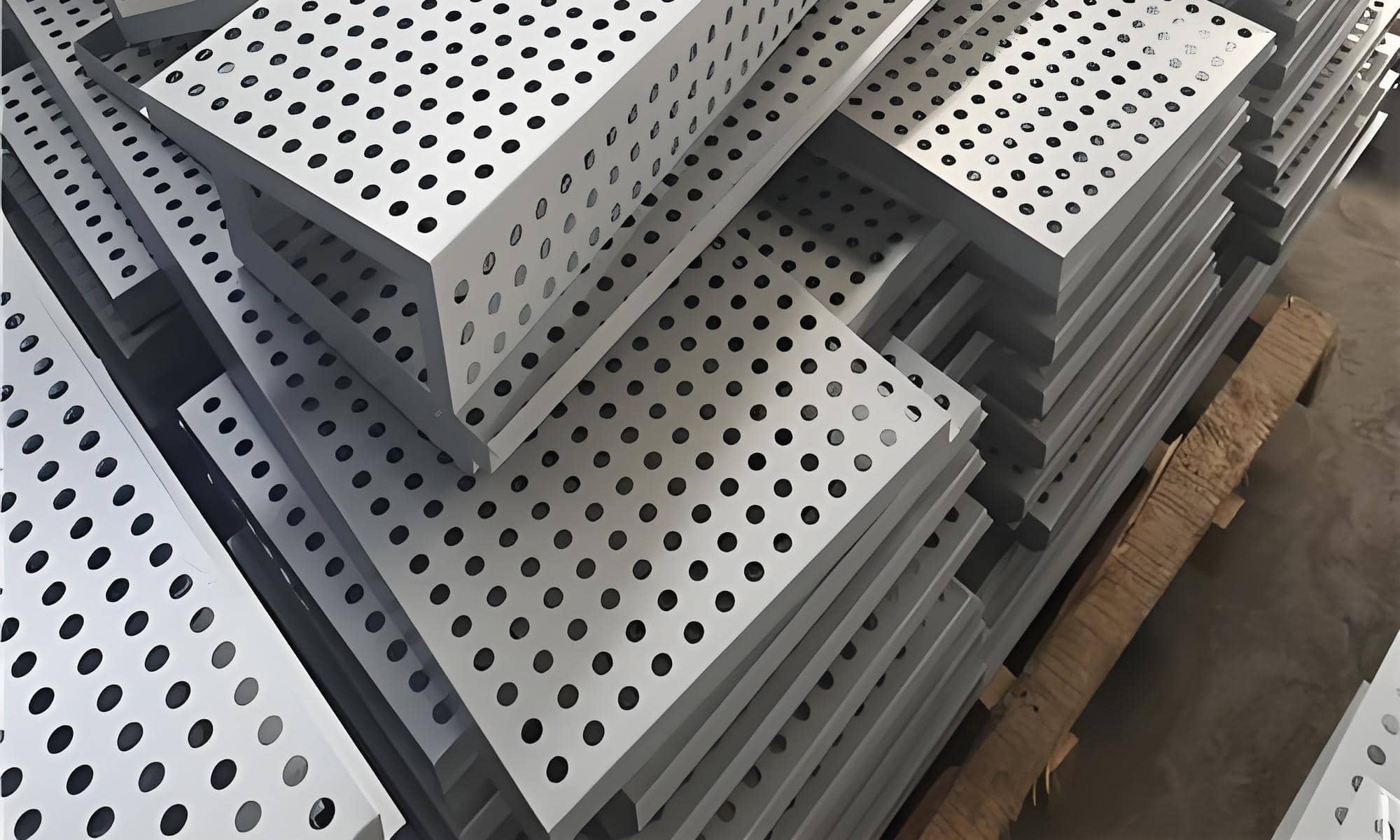
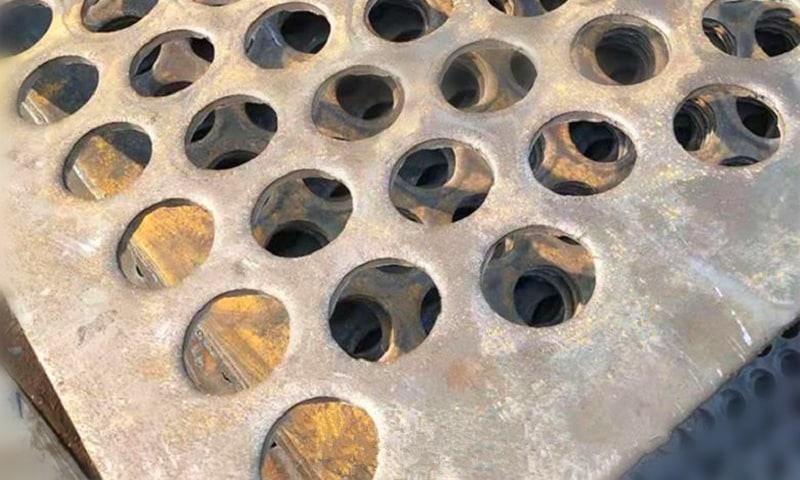
Thick perforated plates are never perfectly flat — and that is normal
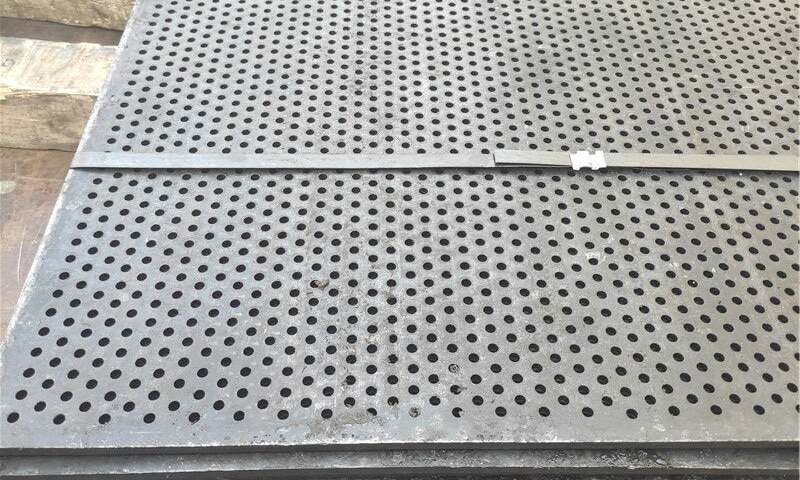
In industrial applications, heavy duty perforated plates are punched from thick gauge steel to meet strength, wear, and service-life requirements.
After punching, a certain degree of bow, edge lift, or slight twist is inevitable.
This is not a manufacturing defect.
It is a natural result of high-force punching on thick material with dense hole patterns.
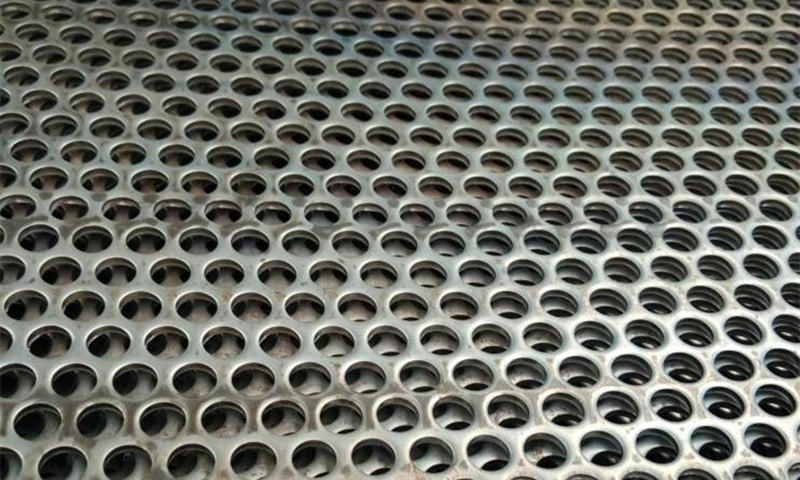
Unlike thin decorative sheets, industrial perforated plates used for screening, filtration, or wear applications are not expected to be mirror-flat. The performance requirement is functional fit, not cosmetic perfection.

Heavy Duty Perforated Plates
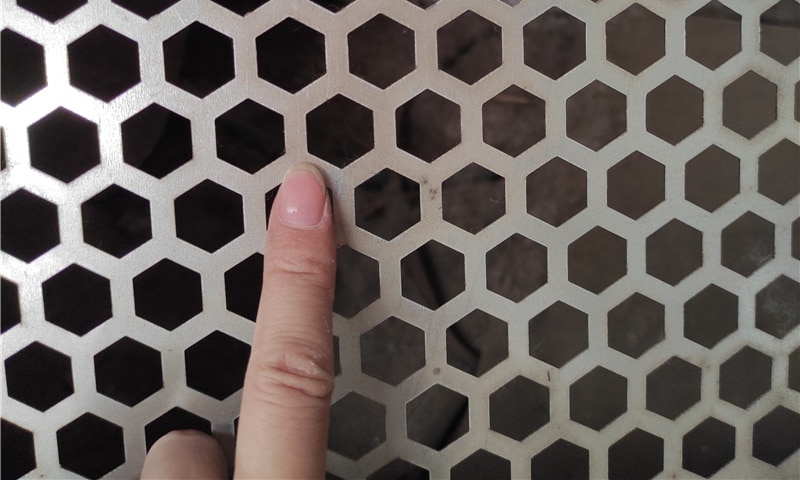
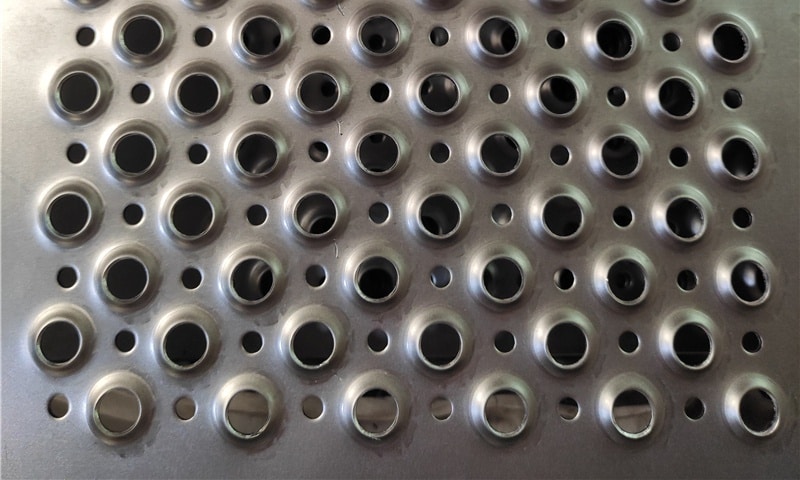
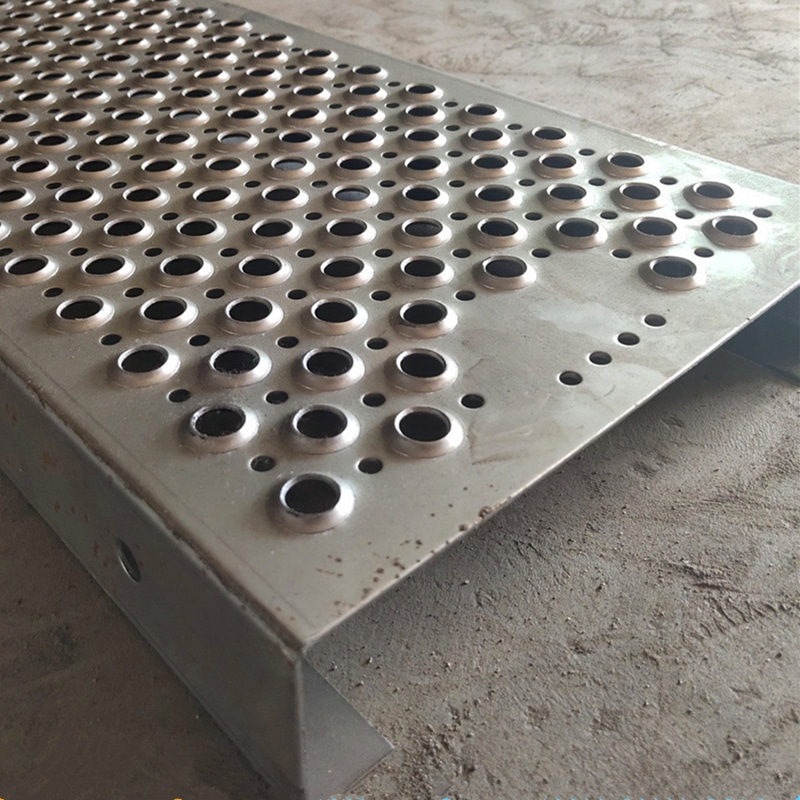
Need a thick perforated plate made to drawing? Our program supports 2.75–30mm thickness, up to 6000×1500mm, with round/square/hex/slotted patterns, plus cut-to-size and surface protection for industrial installations.
Why thick, dense punching creates distortion
Punching thick plates introduces significant localized stress. When holes are closely spaced, these stresses accumulate across the panel.
Common contributors include:
- High punching force causing plastic deformation around each hole
- Uneven residual stress through the plate thickness
- Repetitive hole patterns amplifying stress in one direction
- Work hardening in wear-resistant steels
- Large panel size increasing leverage for bow or twist
The thicker the plate and the denser the hole layout, the more visible this effect becomes — especially immediately after punching.
For any heavy gauge perforated plate, expecting zero distortion after punching is unrealistic from an engineering standpoint.
What “leveling” actually means for heavy duty perforated plates
Leveling in this context does not mean precision flattening.
For heavy duty perforated plates, leveling is used to:
- Release major punching-induced residual stress
- Remove obvious bow, camber, or twist
- Improve handling, stacking, and transport
- Allow the plate to sit naturally on supports
- Enable installation without forced bolting or clamping
After proper leveling, the plate should appear visually flat by eye and function correctly in its intended application.
Minor waviness or thickness-related variation is fully acceptable and expected.
Typical leveling methods used after punching
Depending on plate thickness, size, and distortion level, manufacturers may use one or a combination of:
- Roller leveling to reduce overall bow and distribute stress
- Hydraulic press flattening for large or heavily distorted panels
- Localized mechanical straightening for isolated high or low areas
The goal is not to eliminate all movement, but to bring the plate back into a stable, usable industrial condition.
When leveling is necessary — a practical checklist
Leveling is usually required when:
- The plate shows obvious bow or twist by visual inspection
- The panel does not sit flat on its support frame
- Installation requires forced alignment or excessive fastener load
- Panel size and hole density amplify distortion effects
Leveling is often unnecessary when:
- Plates are welded into frames or rigid assemblies
- Minor curvature does not affect screening or filtration performance
- The application allows natural seating under operating load
Specifying leveling only when functionally required helps control cost while maintaining performance.
Installation fit matters more than visual flatness
In industrial screening, filtration, liners, and protective panels, functional fit always outweighs visual appearance.
A properly leveled heavy duty perforated plate should:
- Sit naturally on beams or frames
- Install without stress concentration at fasteners
- Maintain stable contact during operation
- Avoid secondary deformation during service
Chasing decorative flatness standards for industrial plates adds cost without improving performance.
For demanding industrial environments, heavy duty perforated plates should always be evaluated based on service conditions, not appearance-based flatness expectations.