Purpose & concise distinction
In procurement and engineering conversations the phrase heavy duty signals an application-level requirement — strength, long-term durability, and resistance to structural loading or abrasive wear — while heavy gauge is a material-level definition referring specifically to sheet/plate thickness. Treat the two as related but not interchangeable: you can have a heavy-gauge plate that isn’t engineered for a heavy-duty wear environment, and you can design a heavy-duty assembly that uses specialized alloys, finishes, and hole patterns in addition to thicker gauges.

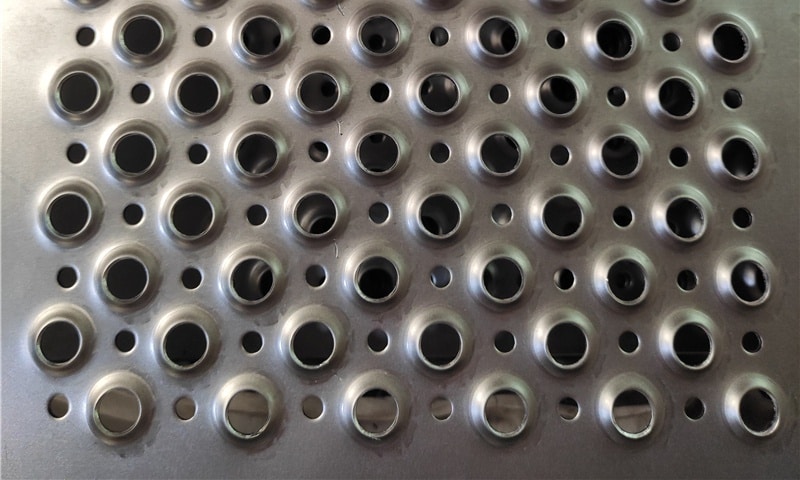
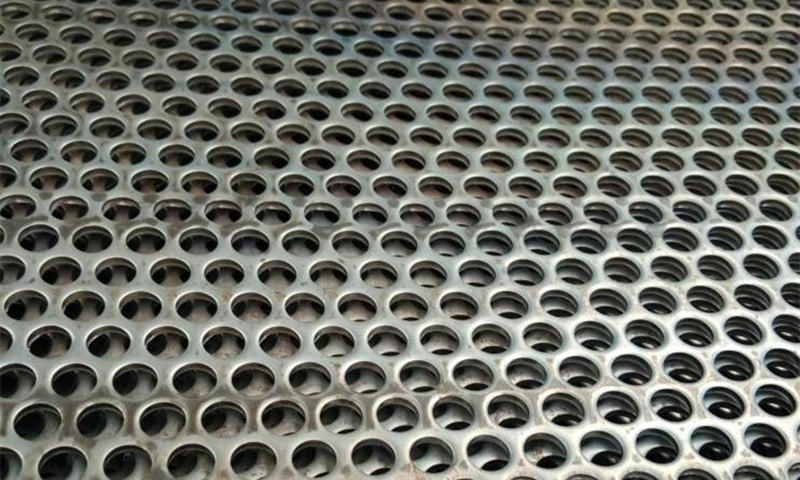
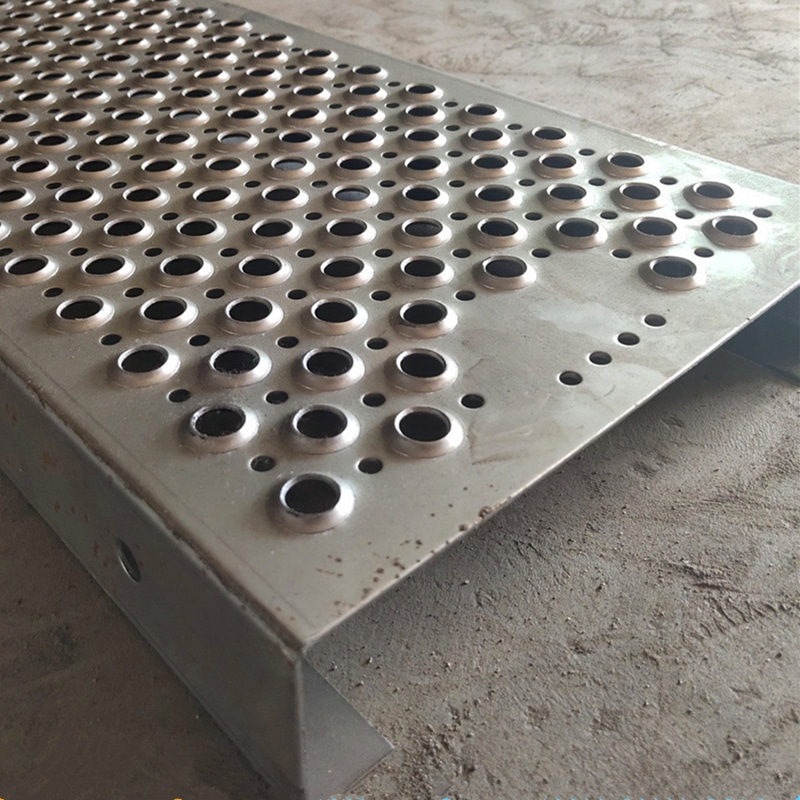
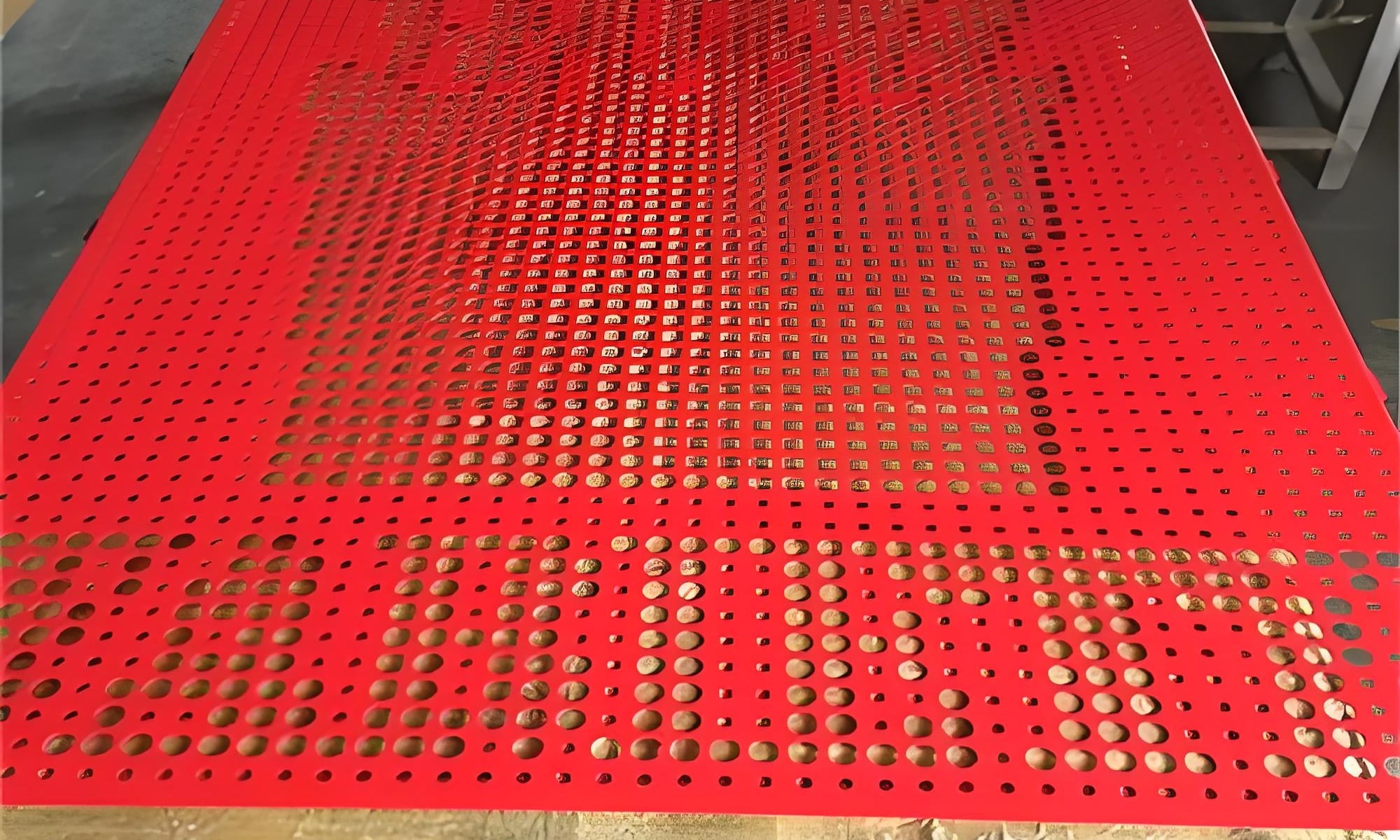
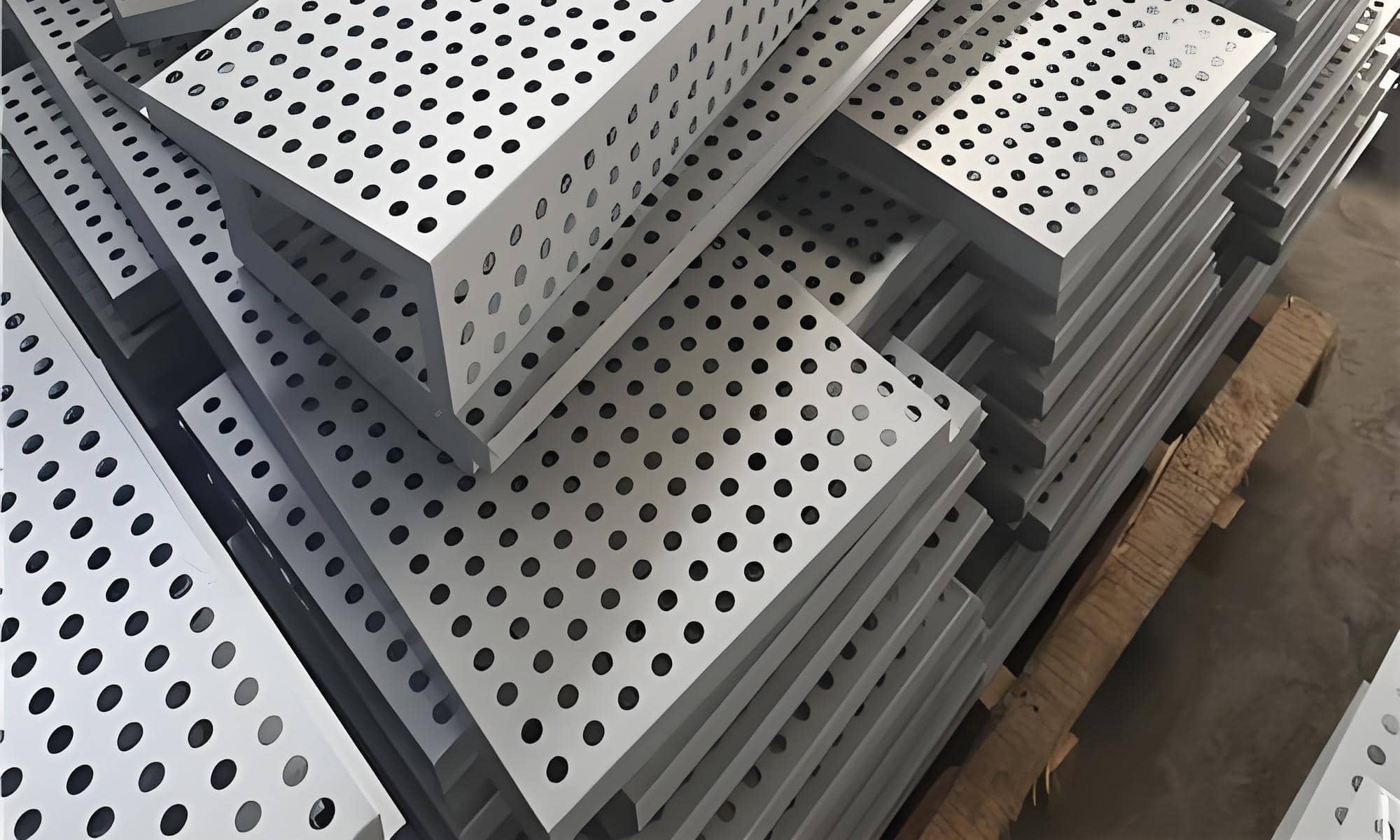
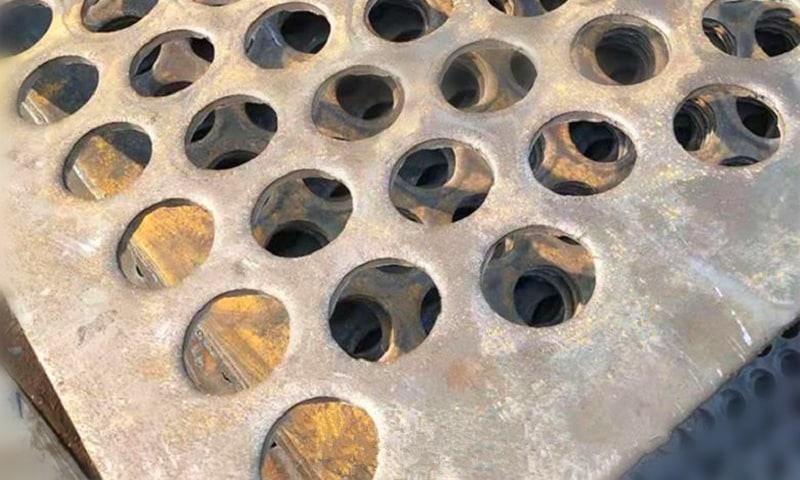
Heavy Duty Perforated Plates
Need a thick perforated plate made to drawing? Our program supports 2.75–30mm thickness, up to 6000×1500mm, with round/square/hex/slotted patterns, plus cut-to-size and surface protection for industrial installations.
Translate performance needs into orderable parameters
Convert project-level statements (for example, “must resist heavy wear”, “must span 3 m without sag”, or “must provide >40% open area“) into concrete, measurable specs. Below are the typical parameters engineers, buyers, and contractors include in an RFQ so manufacturers can quote accurately.
Key parameters to specify
- Material grade and heat treatment
Specify alloy (e.g., high-manganese steel, A36, 304/316 stainless), required hardness or impact properties, and whether heat treatment or work-hardening is needed for wear resistance. - Plate thickness (gauge / mm / inches)
Give a precise thickness rather than a vague “heavy”: for example, 6 mm (0.236″) or 12 mm (0.472″) depending on load and wear expectations. If you need a tolerance, state it (±0.2 mm, ±0.5 mm, etc.). - Hole diameter and hole pattern (straight vs staggered)
Specify hole diameter (e.g., 12 mm) and whether the pattern is a straight-line (square) or staggered (triangular) layout. Staggered patterns provide higher open area for the same pitch and often better structural distribution. - Hole pitch / center-to-center (C–C)
Define center-to-center spacing rather than “close” or “wide.” Example: 20 mm C–C in a staggered pattern. State whether pitch is measured horizontally/vertically or radial. - Open area / free area percentage
If airflow, drainage, or screening is critical, specify the target open area percentage (e.g., ≥35%). Combine this with hole diameter and pitch so the fabricator can propose patterns that meet both strength and flow targets. - Edge margin, border, and unusable edge
Tell the supplier the required edge margin (distance from hole center to final cut edge). Typical manufacturing practice requires a minimum center-to-edge distance (often ≥1× to 1.5× hole diameter), but specify what your design needs — e.g., 25 mm margin or “no holes within 1 in of the finished edge.” - Sheet size, nesting, and kerf allowance
Provide finished sheet dimensions, whether panels should be left oversize for on-site trimming, and any kerf or nesting constraints that affect final hole placement near cut lines. - Flatness / camber tolerance
Define acceptable flatness or camber. For heavy-gauge plates used as structural panels, specify a flatness tolerance such as “max camber 3 mm per linear meter” or “plate must be level within 2 mm after punching and flattening.” If installation demands near-perfect flatness (architectural cladding, precision screens), call out stricter values and any required finishing like shot-blasting or press-leveling. - Squareness and dimensional tolerances
State maximum allowable deviation for length and width and diagonal difference if parts must nest precisely or bolt to a frame. - Deburring, edge condition, and secondary work
Indicate if you need deburred holes, countersink, chamfer, or additional machining, welding holes, bend allowances, or pre-drilled mounting holes. - Surface finish & coating
Specify mill finish, galvanizing, paint system, or specialty coatings for corrosion or abrasion resistance.
Practical RFQ checklist (quick, copy/paste)
- Project name / application (brief).
- Material grade, hardness / treatment.
- Exact thickness (mm / inches) + tolerance.
- Hole diameter, pattern (staggered/straight), and C–C pitch.
- Required open area % (if relevant).
- Edge margin (distance from hole center to finished edge).
- Finished sheet size and quantity.
- Flatness / camber tolerance (state numeric value).
- Deburring, secondary machining, or pretreatment.
- Surface finish / coating and acceptance criteria.
- Packing, delivery terms, and inspection requirements (e.g., visual, dimensional, or hardness test reports).

Choosing between “heavy duty” and “heavy gauge” in specs
If your spec or purchase order uses the term heavy duty, follow it with overriding, quantifiable parameters: list the target plate thickness, alloy, and flatness/backing/edge specs to avoid supplier ambiguity. When you need strength primarily from thickness, call it heavy gauge and state the exact thickness and machining/flattening tolerances. Example sentences you can use in an RFQ:
- “Supply a heavy duty perforated plate for hopper floor panels: high-manganese steel, 10 mm ±0.3 mm thickness, 18 mm dia staggered holes, 22 mm C–C, min 30% open area, edge margin 30 mm, max camber 3 mm/m.”
- “Provide a heavy gauge perforated plate for structural walkways: 12 mm ±0.5 mm thickness, straight pattern, 10% open area, fully deburred, galvanized finish.”
Common pitfalls & how to avoid them
- Vague specs — Don’t write “heavy” or “strong.” Convert to thickness, hardness, and measurable tolerances.
- Missing edge/border instructions — Unsuitable edge margins cause punched holes to tear out at the cut. Specify center-to-edge minimums.
- Assuming flatness — Punching and blanking introduce stresses. If flatness matters, call out press-leveling or thermal stress relief.
- Overlooking installation tolerance — If panels bolt into a frame, include squareness and hole-location tolerances on the RFQ.
Final advice for buyer/engineer
Always attach a simple drawing or sketch showing hole layout relative to finished edges, finished dimensions, and any critical datum points. Where possible use numeric, testable requirements rather than application-level adjectives. That practice reduces quotation variance, speeds lead time estimation, and ensures delivered plates meet fit and performance expectations.
For repeat orders, include a supplier-approved sample reference or a “first-piece” sign-off requirement to lock down quality.