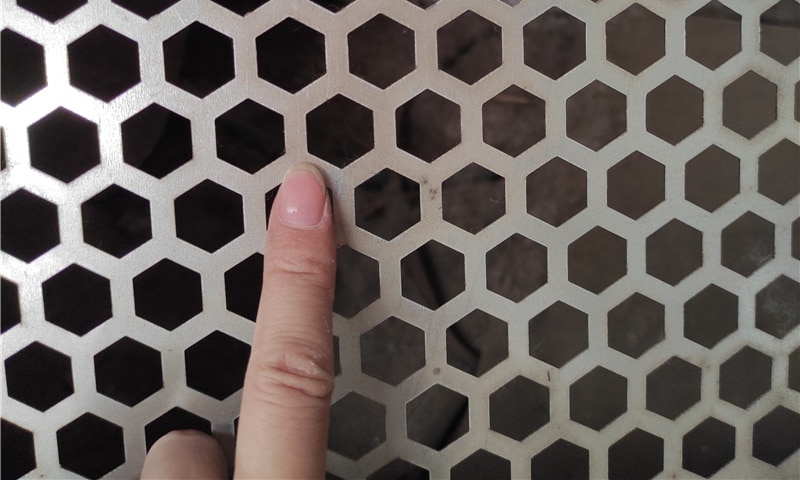
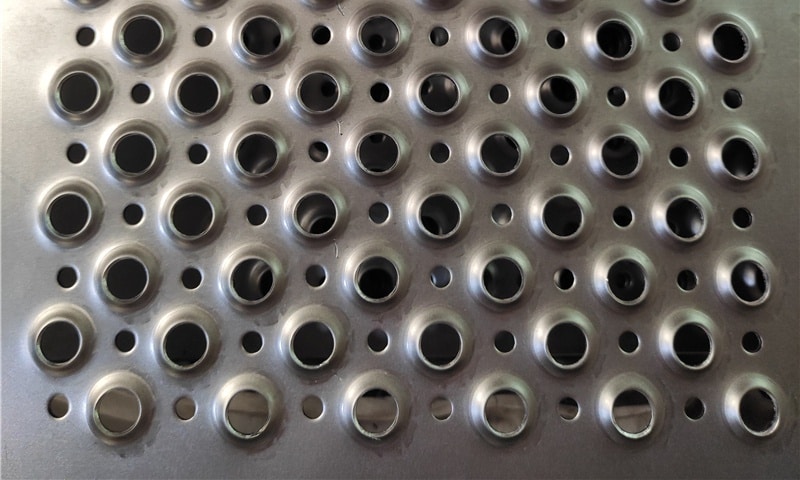
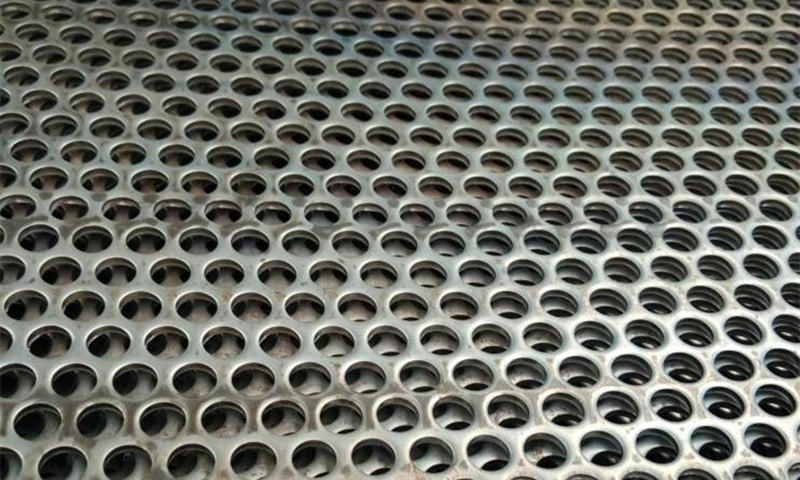
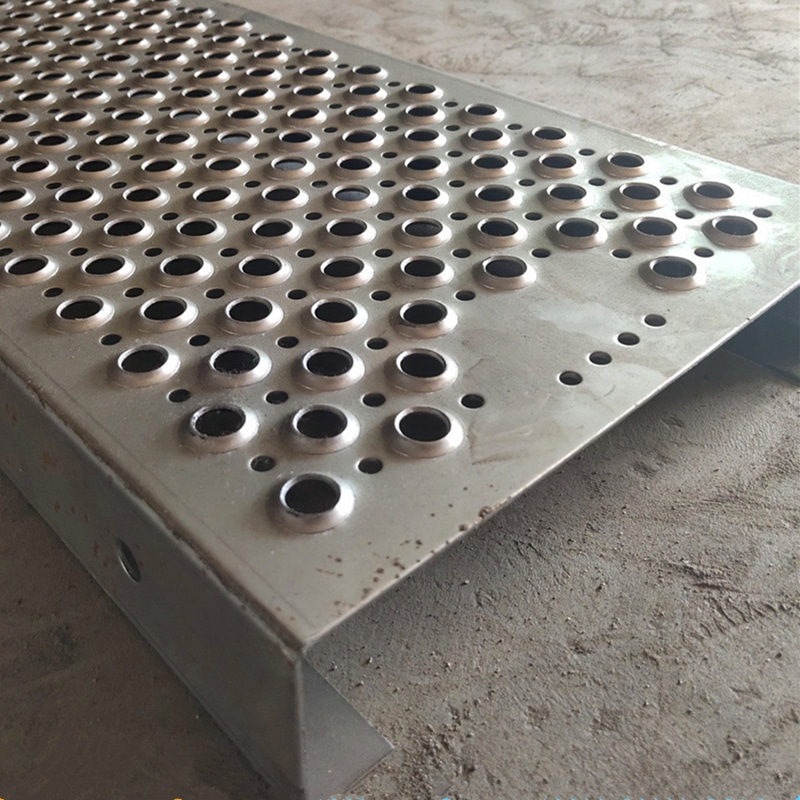
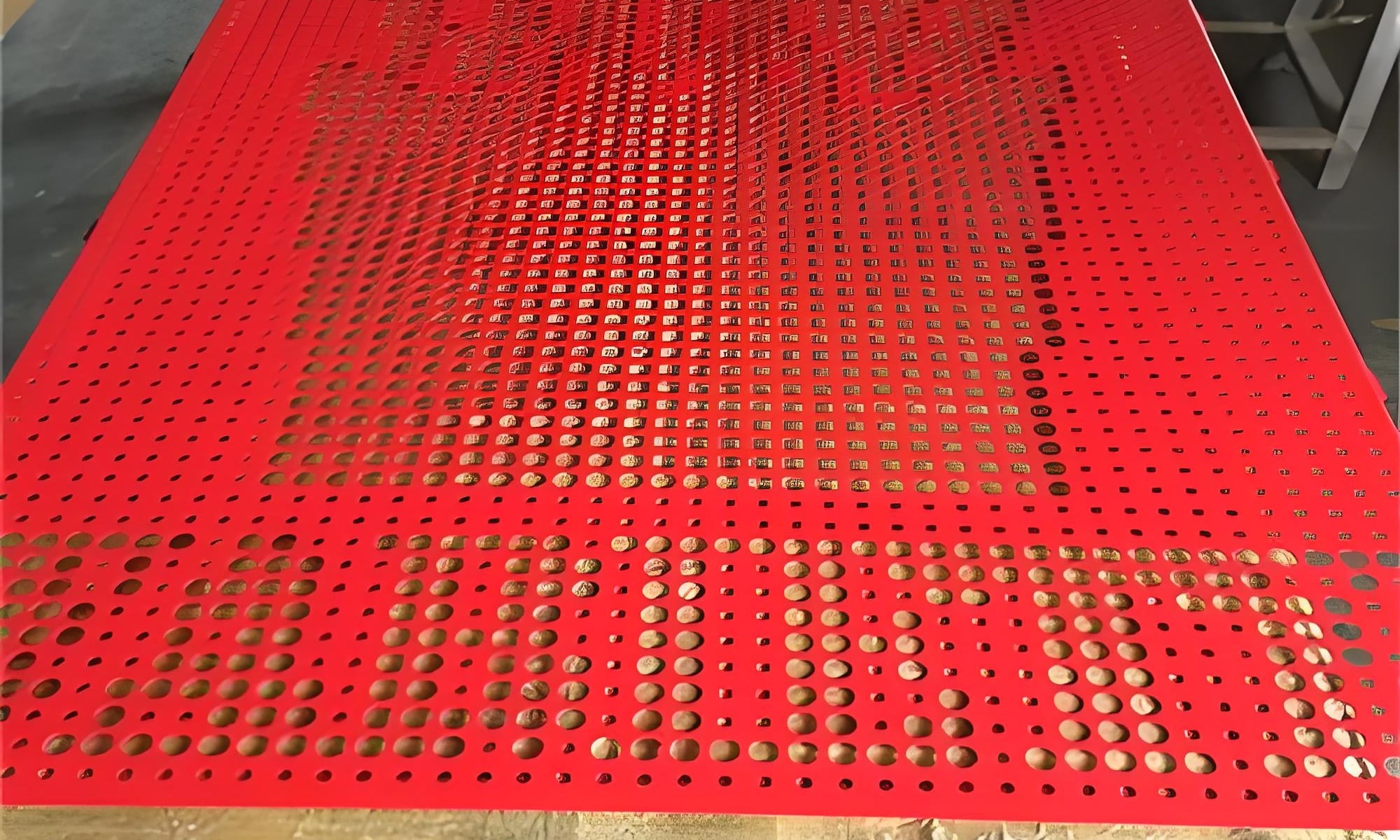
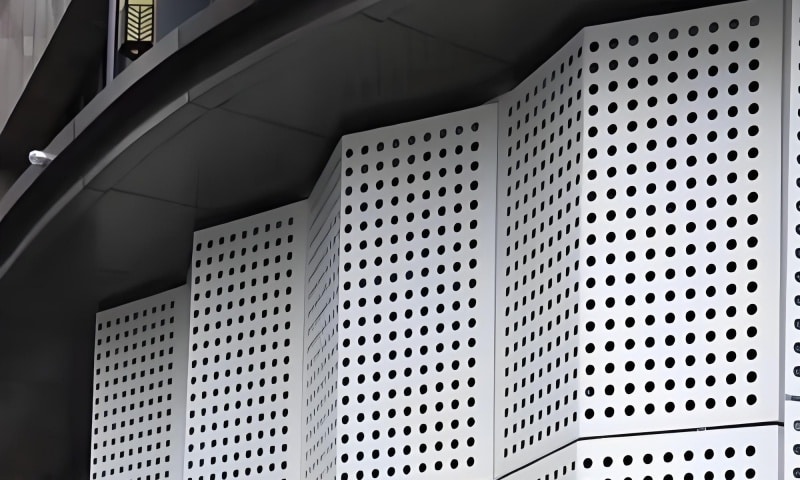
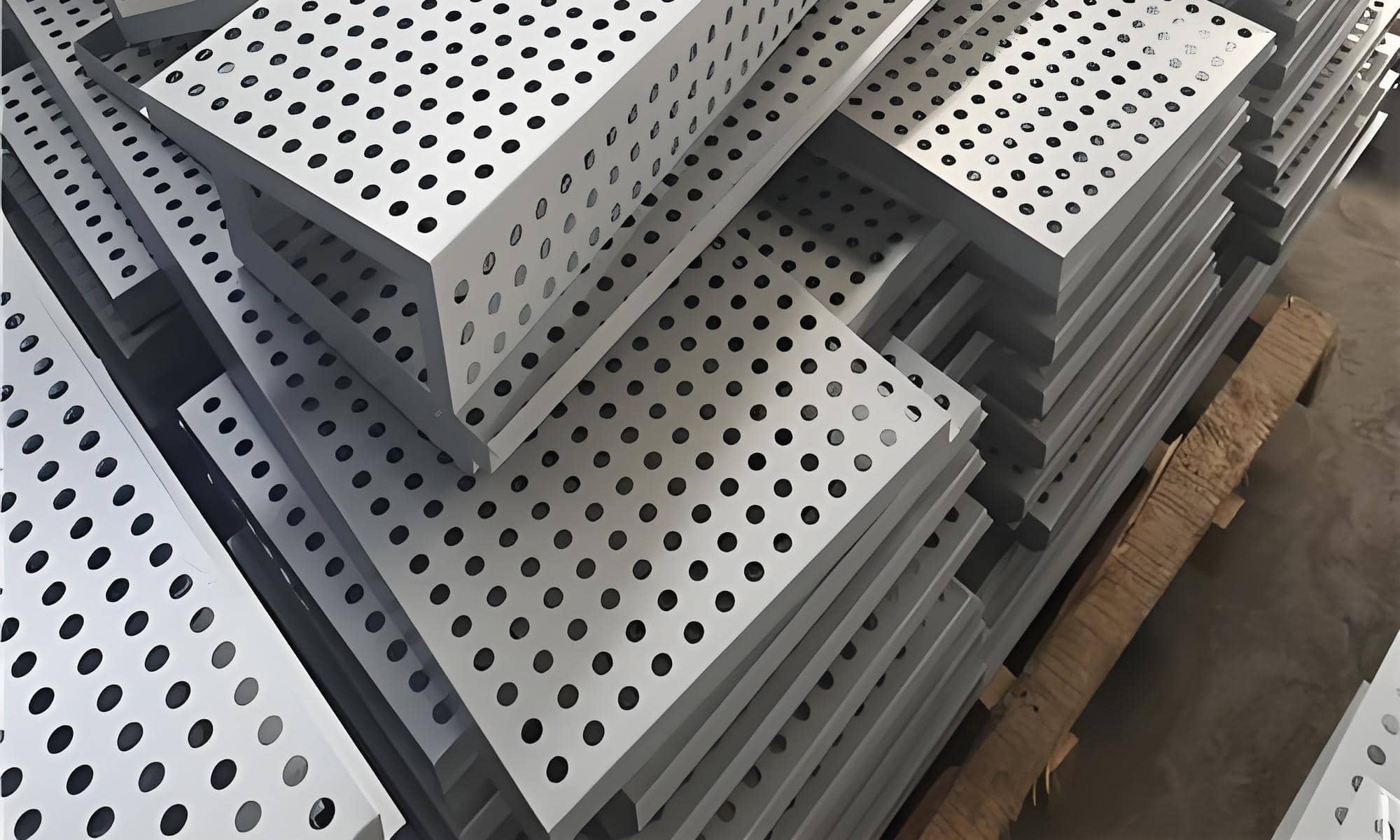
Noise mitigation is one of the most important aspects of designing comfortable and efficient underground transportation environments. The constant sound generated by trains, ventilation systems, and operational equipment can affect both passengers and workers. Honeycomb-style perforated metal panels, known for their hexagonal hole geometry, offer strong acoustic performance and structural durability, making them a practical solution for platforms, tunnels, and auxiliary spaces.

Why Honeycomb (Hexagonal) Perforations Perform Well Acoustically
The hexagonal perforation pattern achieves a balance of strength, visual clarity, and acoustic efficiency:
- Higher open area without compromising stiffness
- More consistent acoustic response across frequencies
- Modern appearance suitable for public spaces
These factors make honeycomb perforated panels particularly effective in reducing both reverberation and direct noise in enclosed underground areas.
How They Work Inside Tunnel Noise-Reduction Systems
Perforated panels function as part of a complete acoustic assembly:
- The perforated metal face
- An absorptive backing material
- A designed air cavity
Sound waves pass through the perforations and are dissipated inside the absorptive layer, reducing the reflected energy within the tunnel structure. Honeycomb perforations provide efficient pathways for sound transmission into the acoustic layer, improving overall effectiveness.
Material Options and Customization
Underground projects vary significantly, so material choices depend on humidity, corrosion risk, durability requirements, and budget. Common material options include:
Stainless steel perforated panels — corrosion-resistant and long-lasting
Aluminum perforated sheets — lightweight and easy to install
Galvanized perforated metal panels — economical with surface protection
Carbon steel perforated sheets — strong and suitable for coated systems
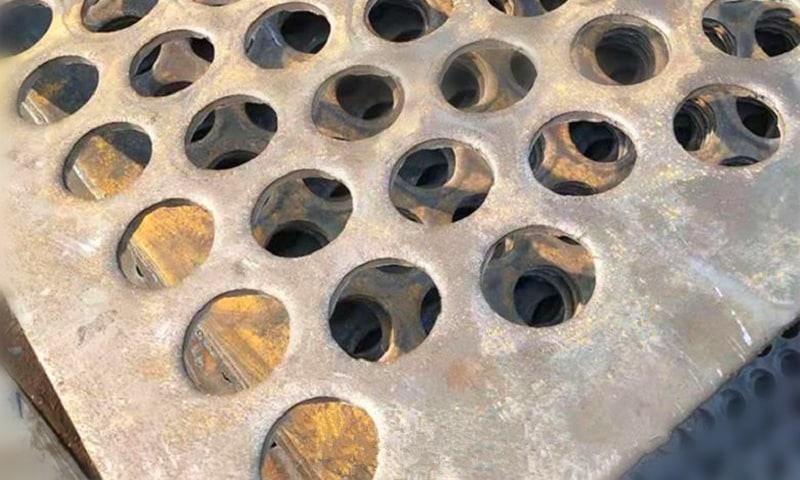
High-manganese perforated panels — ideal for impact-prone areas
Micro-perforated acoustic panels — optimized for high-frequency noise control
Other customizable specifications include:
- sheet thickness
- hexagonal hole diameter
- perforation pitch
- open-area percentage
- surface treatments such as powder coating or painting
These parameters allow engineers to meet the acoustic targets of different tunnel environments.
Maintenance and Service Life
Perforated metal systems are generally low-maintenance:
- occasional cleaning
- corrosion inspection
- coating repair if necessary
- replacement of damaged modules
With proper installation and surface treatment, they can operate effectively for many years under demanding underground conditions.
Conclusion
Honeycomb perforated panels deliver a strong combination of durability, acoustic absorption, and architectural adaptability. With thoughtful selection of materials, perforation design, and installation method, they can significantly improve sound comfort in both subway and tunnel environments.
If you would like technical guidance or a customized solution, you may contact:
info@perfsheet.com