Introduction
Perforated anti-slip steel plates are engineered metal sheets commonly used in industrial environments where traction, drainage and load capacity are critical. Unlike decorative perforated panels, anti-slip plates are manufactured and finished specifically to resist slipping and to perform reliably under foot and equipment traffic in factories, refineries, ship decks and heavy-duty infrastructure.
1. What defines an anti-slip perforated plate
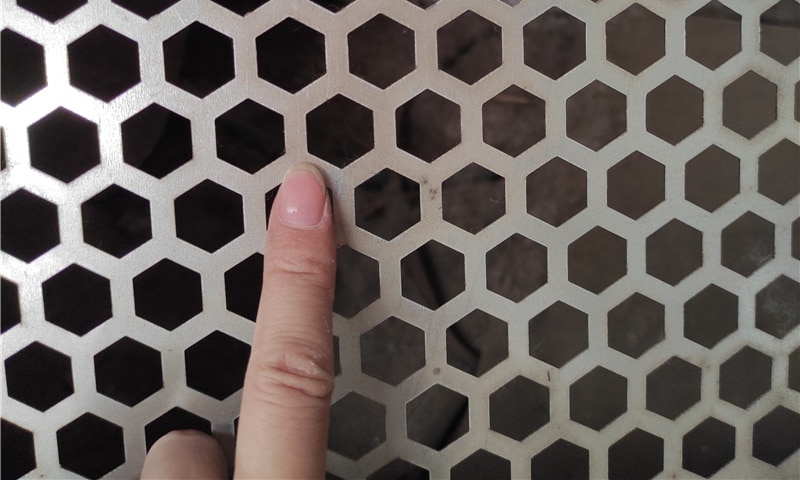
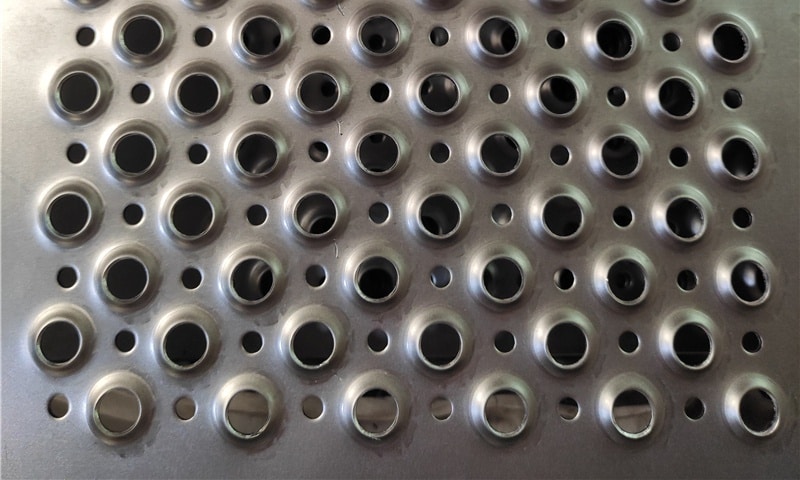
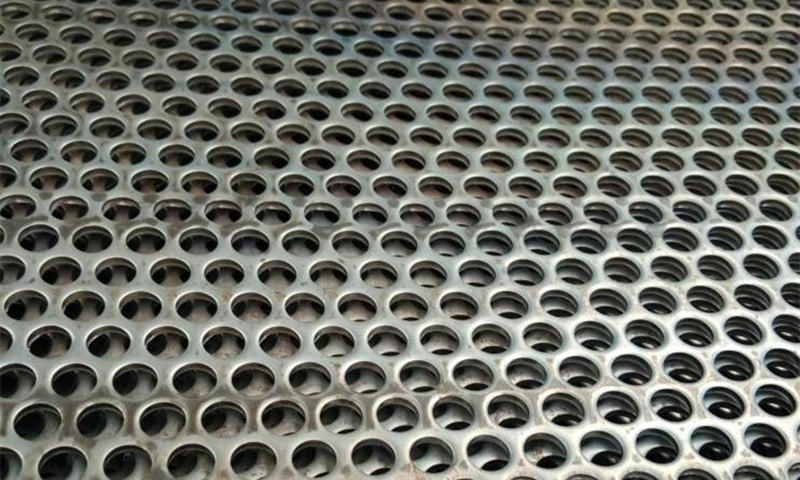
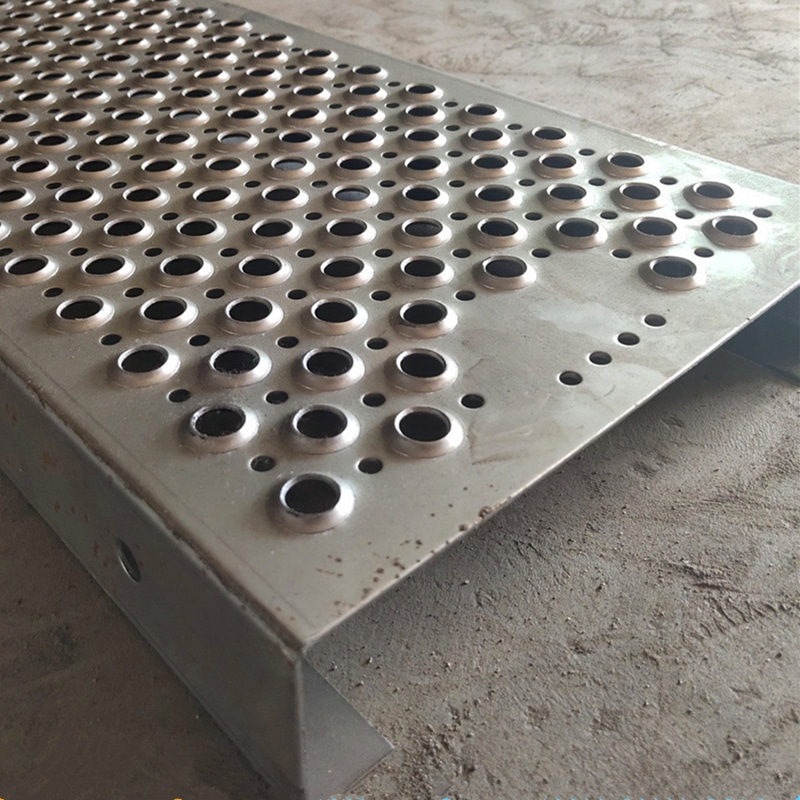
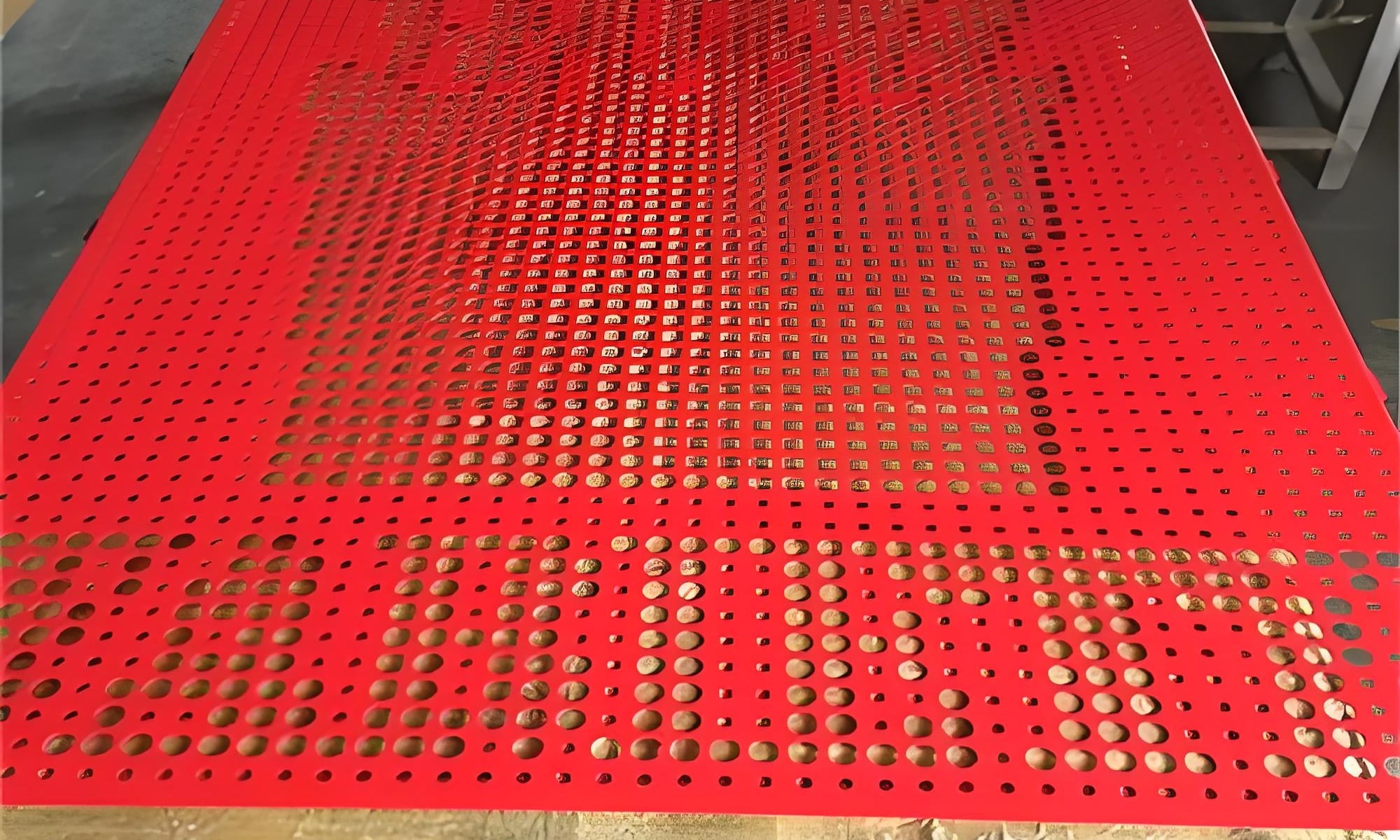
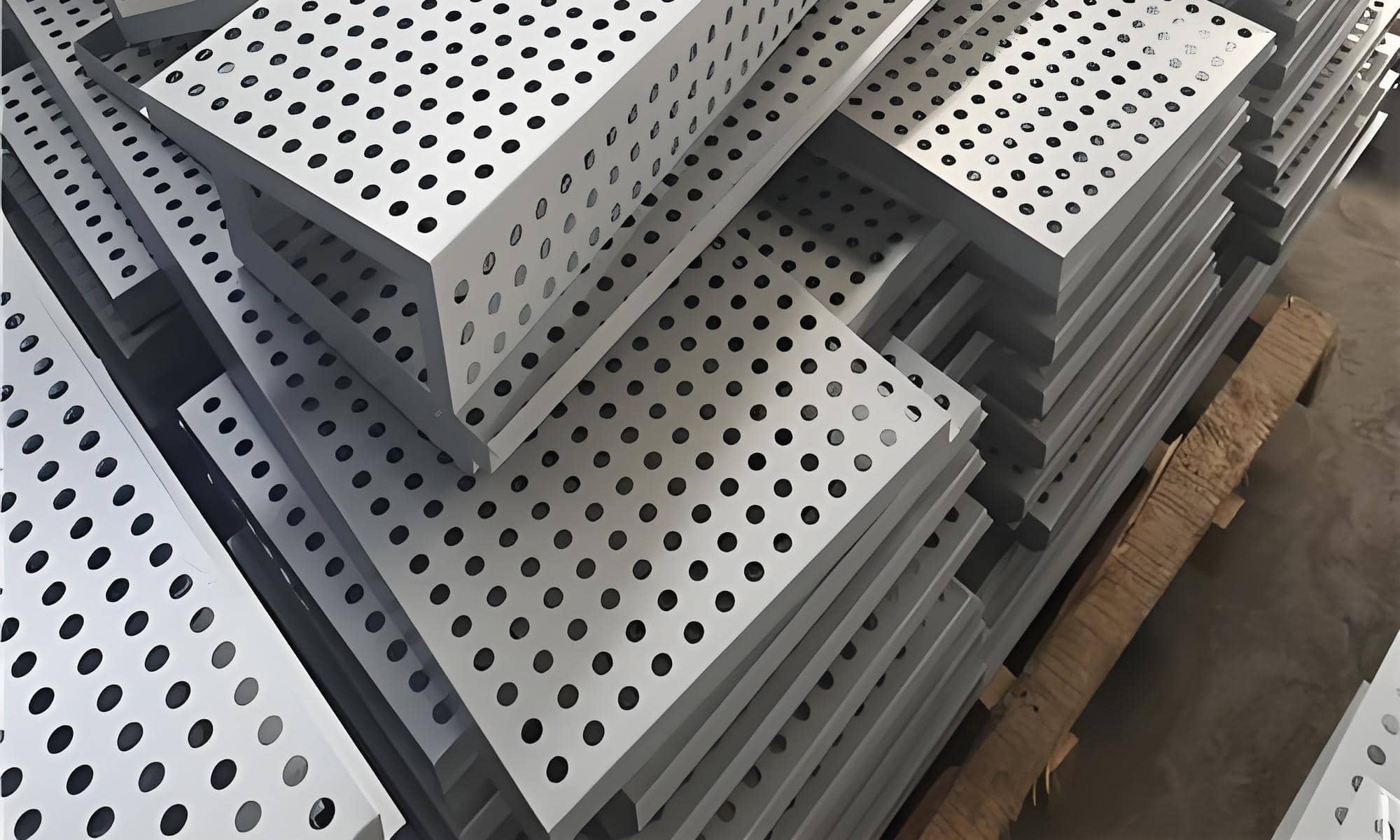
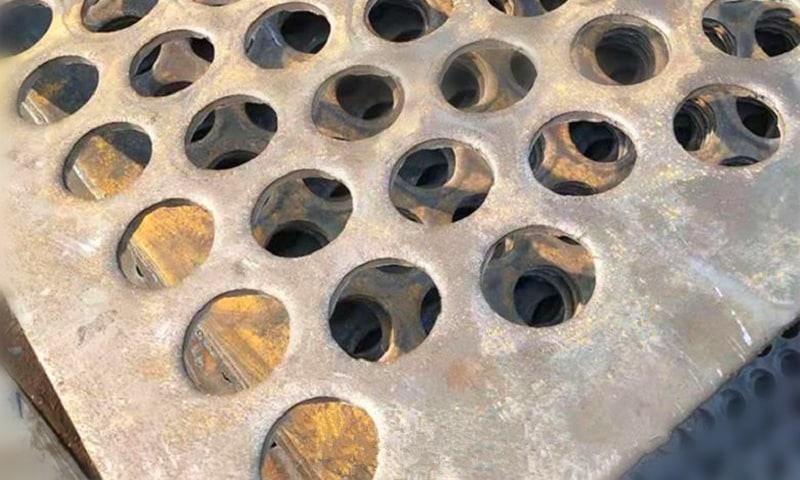
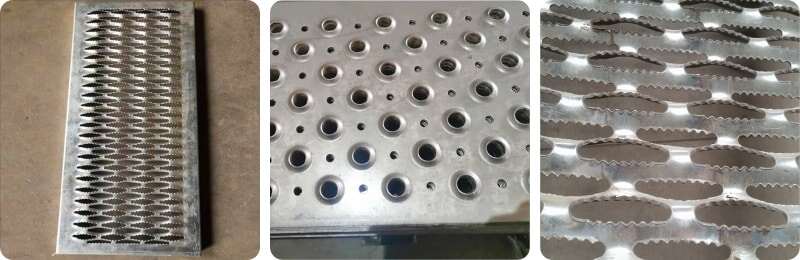
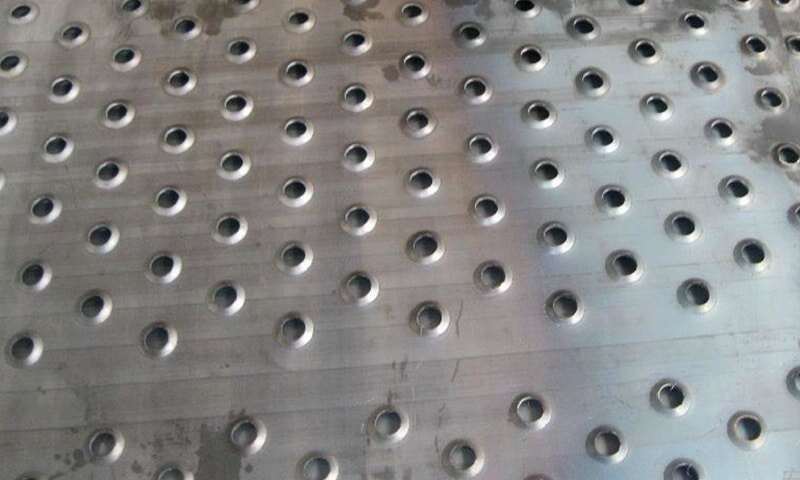
A standard industrial perforated anti-slip plate is typically a steel sheet with a repeating pattern of round holes, elongated slots (oval/slot), or micro-perforations, combined with formed or raised edges around each opening. These formed edges—often serrated, knurled, or raised—create a textured bite that increases friction even when surfaces are wet, oily, or icy. This is the distinguishing feature of anti-slip perforated plates used for stair treads, walkways and platforms.
Manufacturing steps (overview):
- raw material selection (carbon steel, galvanized, stainless, etc.)
- pattern layout for holes/slots and open area percentage
- punching, stamping or laser cutting followed by forming of hole edges for traction
- secondary forming (folded edges, hems) and finishing (galvanizing, plating, passivation or painting)
2. Material selection and performance tradeoffs
Material choice determines load capacity, durability and corrosion resistance:
- Carbon steel — economical and structurally robust for heavy loads; typically painted or hot-dip galvanized for corrosion protection. (Natural fit for heavy industrial walkways.)
- Galvanized steel — offers good outdoor corrosion protection at lower cost than stainless; common for external walkways and drainage covers.
- Stainless steel — chosen for corrosive or hygienic environments (chemical plants, food processing) due to excellent long-term resistance.
- Wear-resistant steels — in special cases (heavy abrasion) higher alloy steels are used to prolong life.
Material plus thickness and support spacing are engineered to handle specified live loads and to meet safety factors commonly required in industrial codes.
3. Hole pattern, open area and structural considerations
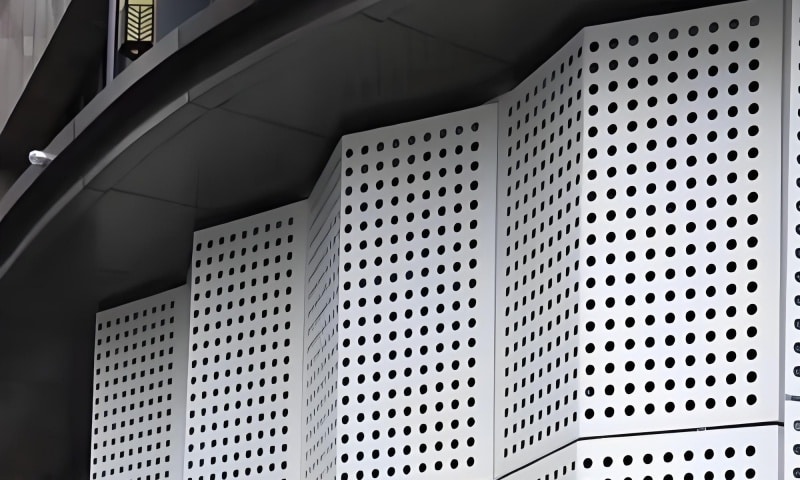
The hole geometry (round vs. slot vs. micro-perforation) and open area (percentage of sheet that is open) are balanced to meet three needs: traction, drainage/ventilation and stiffness.
- Larger open area improves drainage and reduces slip risk from standing fluids, but reduces bending stiffness.
- Slot or elongated openings can provide better traction orientation and quicker drainage along a direction.
- Micro-perforations are useful when smaller debris must be kept out while still allowing fluid flow.
Engineers choose sheet thickness and support spacing to compensate for reduced stiffness when open area increases.
4. Typical industrial applications
Perforated anti-slip plates are used across industries where safe access and drainage are essential:
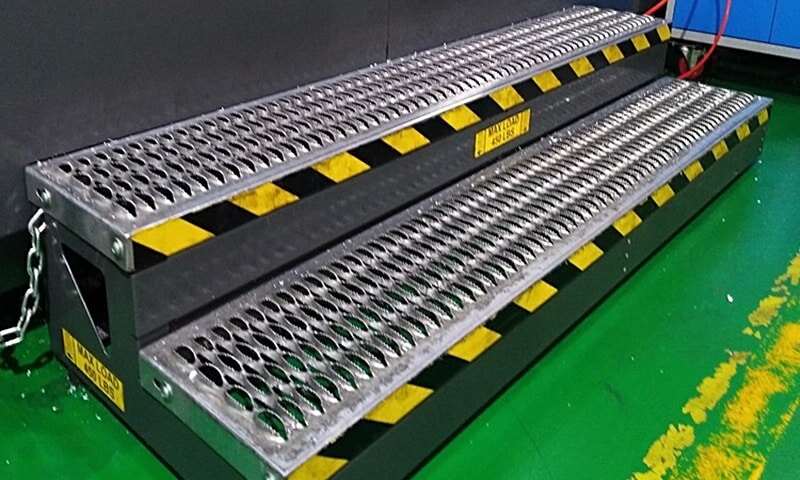
- stair treads and anti-slip steps in factories and plants
- elevated walkways, catwalks and mezzanines in oil & gas and chemical facilities
- trench, pit and drainage covers that allow fluid pass-through and ventilation
- loading ramps, service platforms and machine access areas
- marine decks and offshore platforms requiring corrosion protection and anti-slip surfaces
For high-load or certified grating needs, perforated plates are often combined with structural frames or engineered safety grating systems to meet regulatory load tests.
5. Procurement checklist — what to provide to suppliers
When requesting quotes, deliver clear specs to avoid rework:
- finished dimension and edge treatment (folded/hemmed/flat)
- material and grade (e.g., A36 carbon steel, SS304/SS316)
- plate thickness and intended maximum unsupported span
- hole geometry (round, slot, micro-perforation), diameter/slot size and target open area (%)
- requirement for raised/serrated edges for anti-slip
- finish (hot-dip galvanize, zinc plate, painting, passivation)
Providing use case details (foot traffic, presence of oils/chemicals, outdoor exposure) helps suppliers recommend the optimal combination.
6. Why choose a flexible custom manufacturer
A factory that offers in-house punching, forming and finishing can produce single prototypes or large batches with consistent quality. For industrial projects requiring non-standard sizes, specific edge treatments, or particular corrosion protection, a single-source manufacturer reduces lead time and minimizes coordination issues. For custom perforated metal solutions and rapid quoting, you can review factory capabilities on our homepage: https://perfsheet.com.
Conclusion
A properly specified perforated anti-slip steel plate improves worker safety, facilitates drainage and delivers predictable load performance. When planning stair treads, walkways, or trench covers, share expected loads, environmental exposure and maintenance preferences with your supplier so they can recommend the best plate geometry, material and finish.