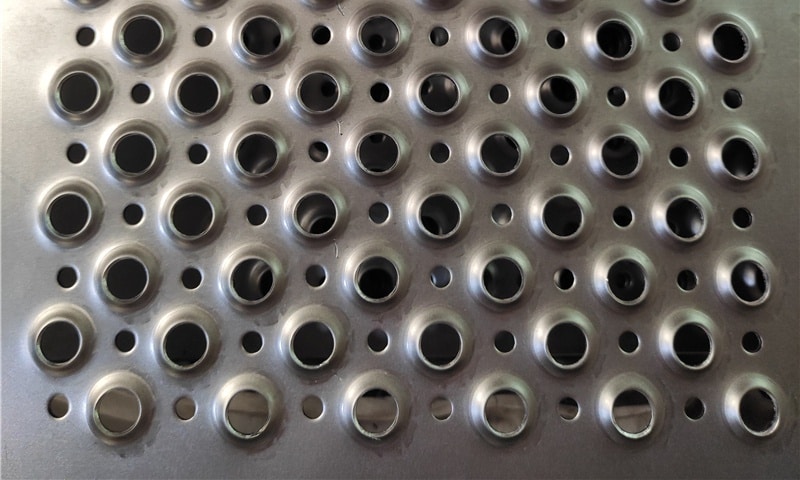
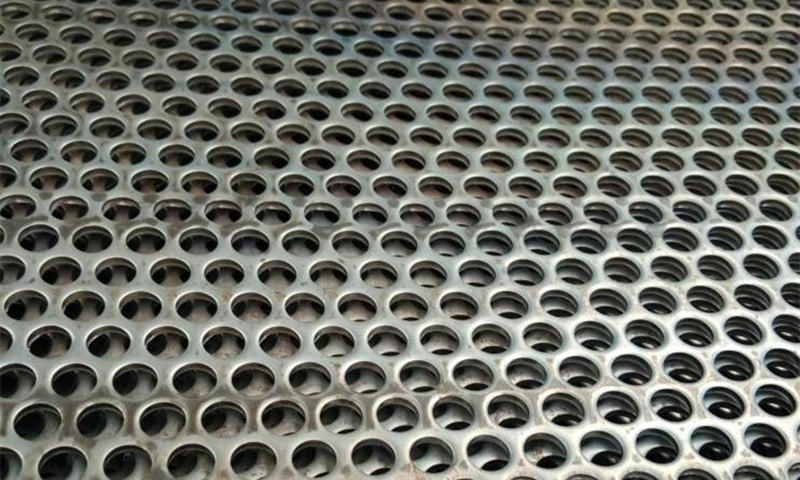
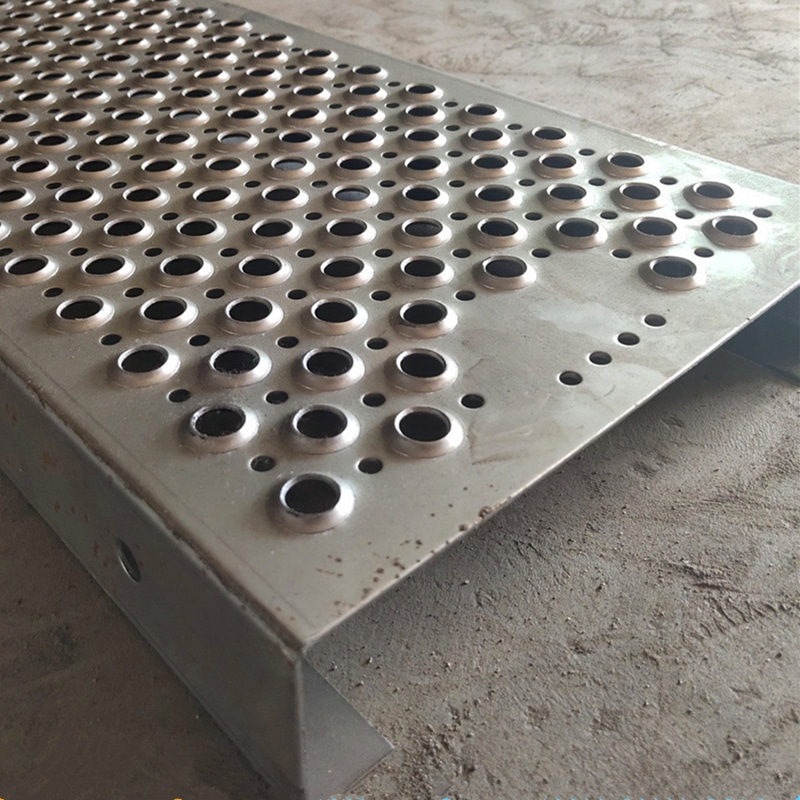
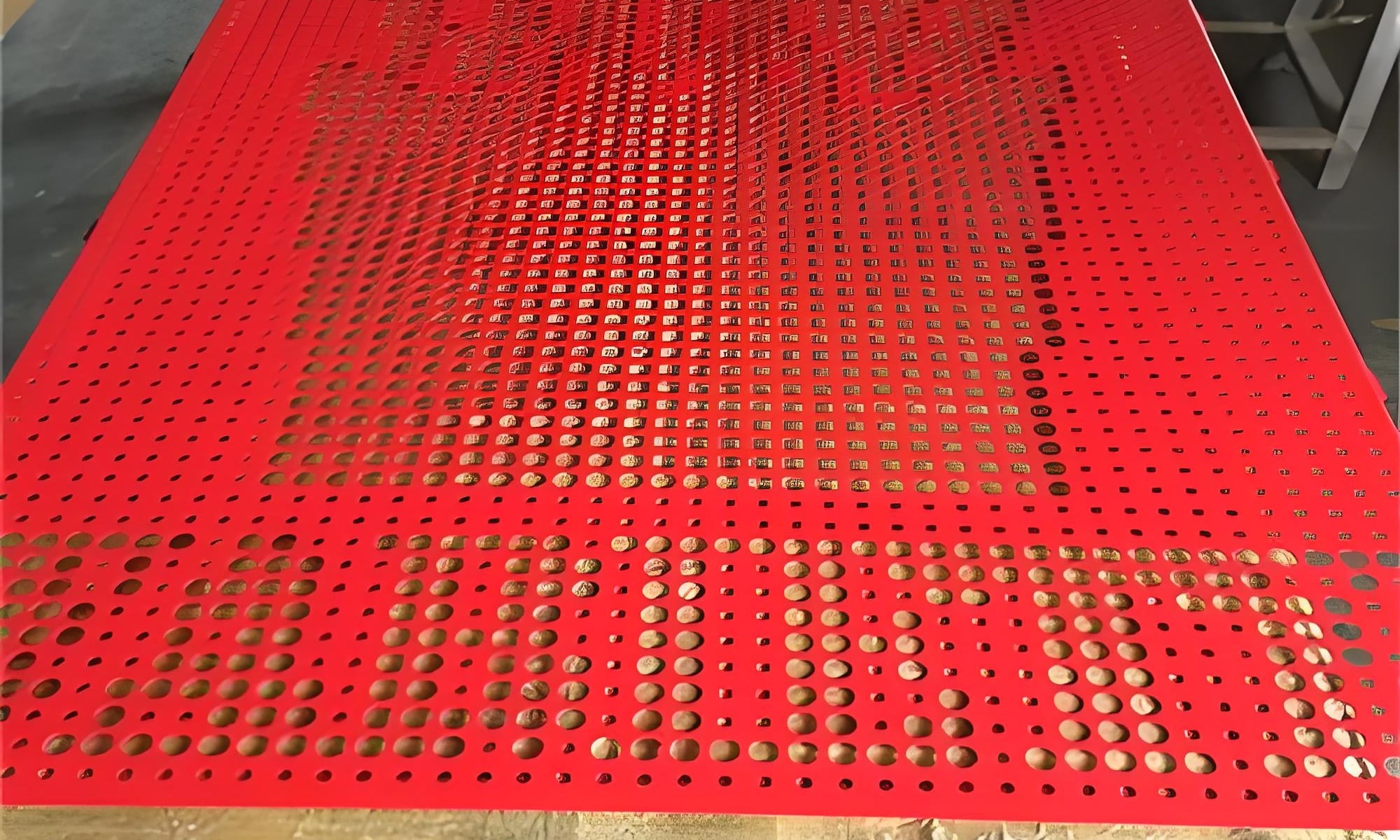
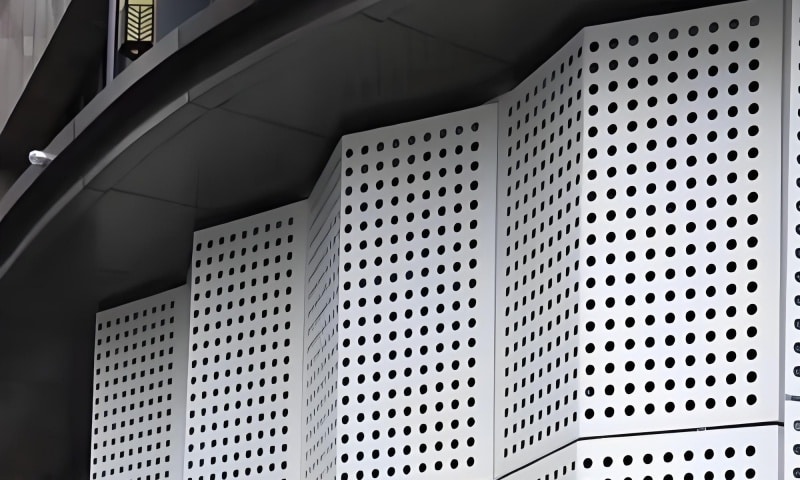
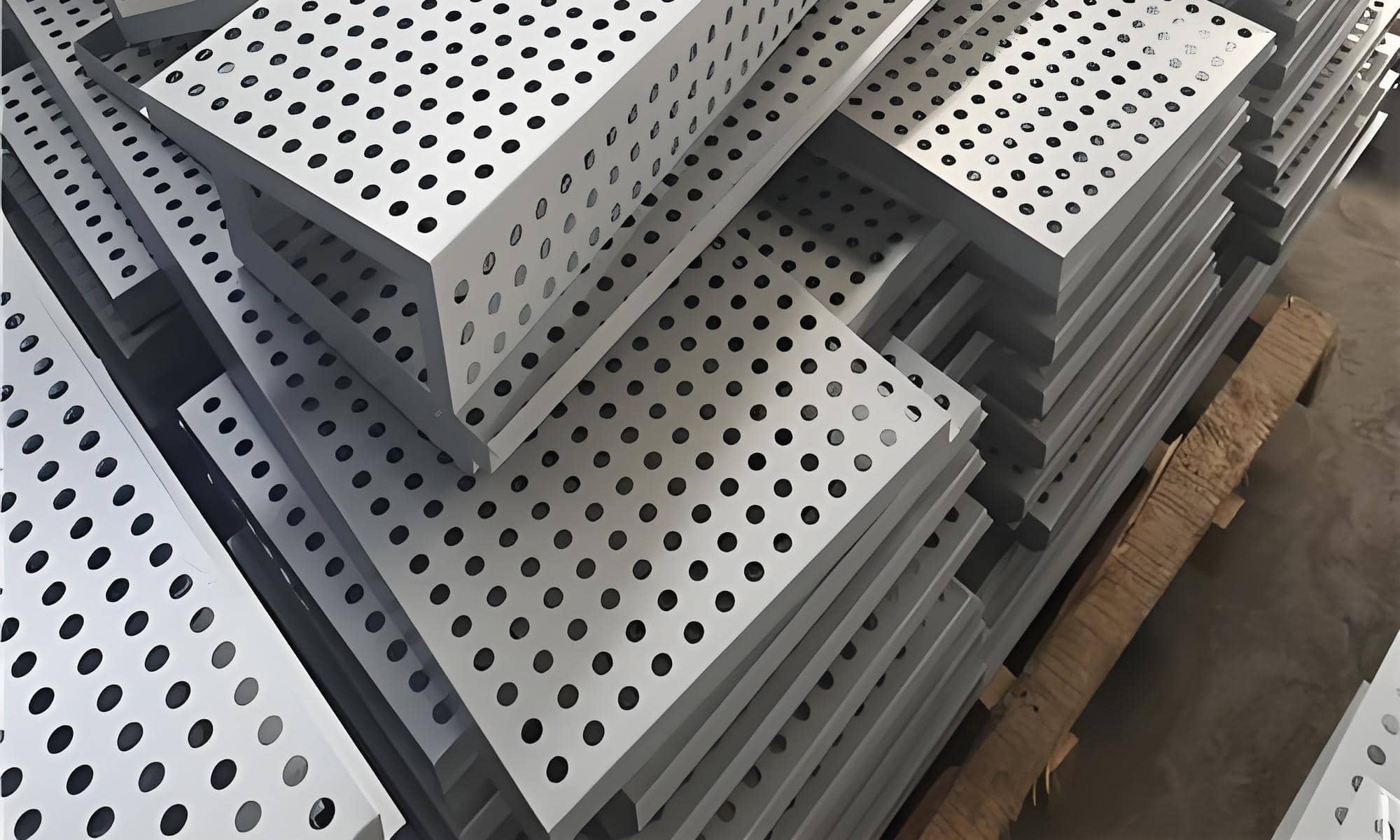
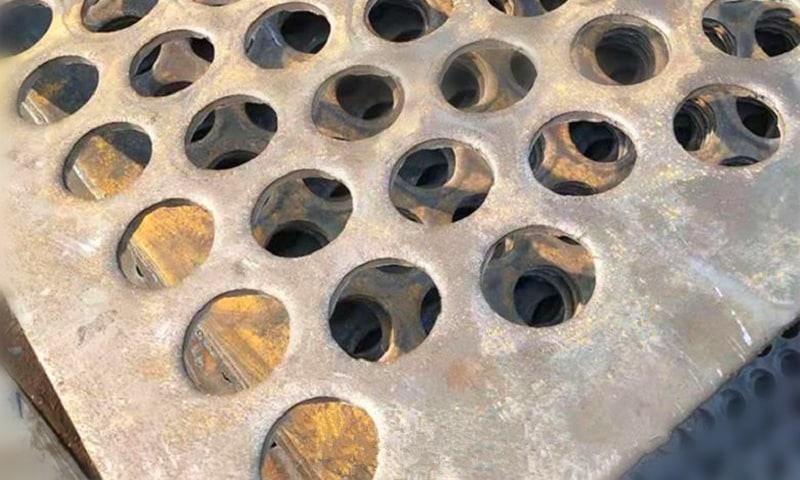
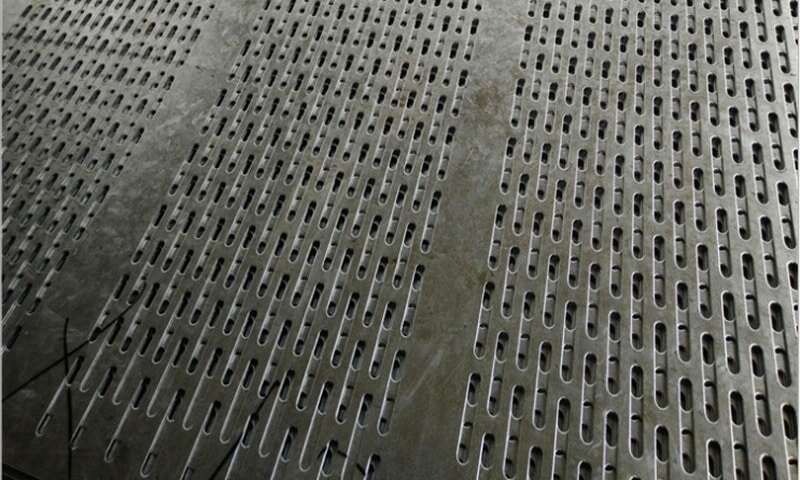
Slot hole perforated metal sheets are widely used in industrial environments where ventilation, drainage, and material screening are required while still maintaining structural durability. Unlike decorative applications, industrial usage demands a careful balance between open area and mechanical strength—especially when slot-shaped holes are involved.
Why Slot Hole Patterns Matter in Industrial Use
Slot hole perforation is preferred in many technical applications because the elongated hole shape improves directional flow, screening efficiency, and visibility compared to round holes. Industries that frequently choose slot hole perforated metal include:
- Mechanical equipment protection and ventilation panels
- Mining and aggregate screening systems
- Industrial filtration modules
- Agricultural machinery
- Transportation and storage equipment
In these scenarios, the sheet must withstand impacts, vibration, and operational loads while still offering precise permeability for material or air.
How Open Area Affects Strength
The open area (percentage of empty space) is the most critical design factor.
Higher open area = more airflow and drainage, but lower strength.
Lower open area = greater load capacity, but reduced permeability.
Slot holes typically extend across the sheet width or length. This creates weaker sections along the perforation direction, making the sheet more vulnerable to:
- Bending or warping under force
- Tear propagation
- Reduced impact resistance
- Deformation under vibration
Therefore, compared with round hole perforated metal sheet, slot hole designs require more careful selection of:
✔ Material strength (e.g., carbon steel perforated metal sheet, stainless steel perforated metal sheet)
✔ Sheet thickness
✔ Slot direction relative to load
✔ Margin between holes
✔ Mounting method
It is not only about what size of hole to choose but how the forces are distributed around those holes.
Selecting the Right Open Area for Industrial Conditions
Different industrial needs will demand different open area values:
| Open Area Level | Strength Level | Typical Use Case |
|---|---|---|
| 20–35% | High strength | Machine guards, safety panels, vibration exposure |
| 35–50% | Balanced | Air / liquid filtration, grain drying equipment |
| 50–65% | High permeability | Screening, food processing, separation equipment |
When strength is more important, engineers may choose:
- Smaller slot width
- Longer margins between holes
- Increased sheet thickness
- High-manganese steel or nickel-alloy options
When screening performance or airflow is key, higher open area slot designs offer clear advantages.
Material Choice Also Changes the Equation
Industrial customers often select different materials for performance reasons:
- Carbon steel perforated metal → Cost-effective strength
- Galvanized steel perforated metal → Corrosion resistance for outdoor use
- Aluminum perforated metal → Lightweight machinery and ventilation systems
- High manganese steel perforated plate → Abrasion resistance for mining
- Stainless steel perforated metal sheet → High hygiene environments and chemical resistance
Each material reacts differently to stress after perforation, so understanding both open area and material properties is essential.
Why Customization Is Key
Unlike standard stock panels sold by many foreign suppliers, our factory supports fully customized manufacturing, including:
- Slot diameter / length
- Sheet thickness
- Material options
- Perforation direction
- Open area rate
- One-piece MOQ or mass production
By adjusting these factors, our engineering team helps clients achieve the best balance of:
Strength
Ventilation
Load support
Service life
Conclusion
The relationship between open area and strength in slot hole perforated metal sheets is a decisive engineering factor, especially for heavy-duty industrial environments. A well-designed perforation pattern ensures both structural integrity and functional performance like airflow, screening, and safety.
If you are unsure which open area is best for your project, feel free to reach out for professional guidance. We manufacture exactly what your equipment requires.
Contact us: info@perfsheet.com