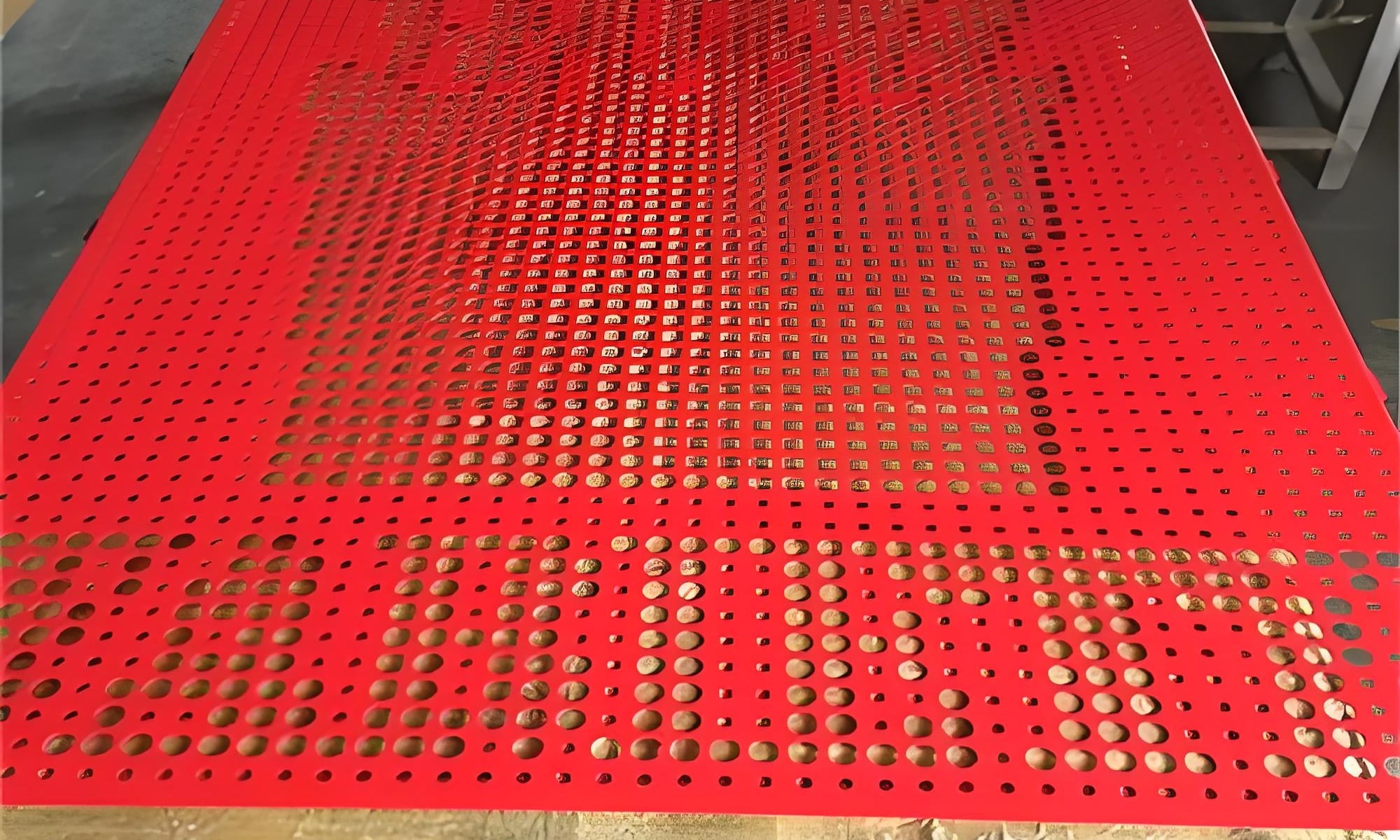
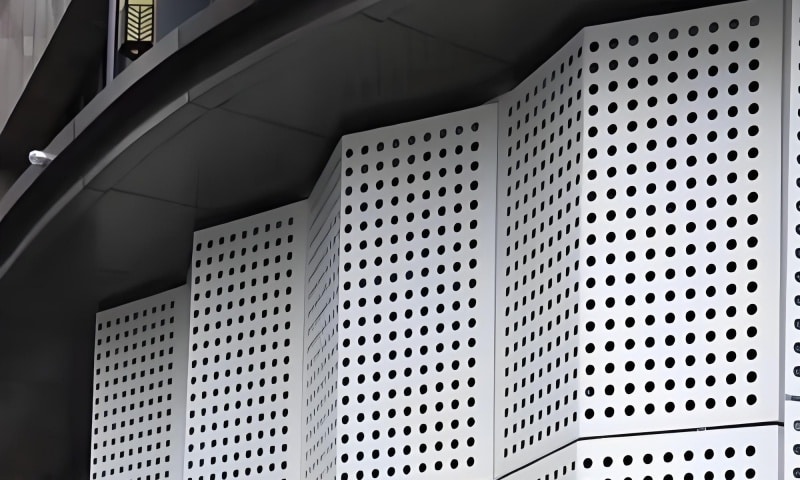
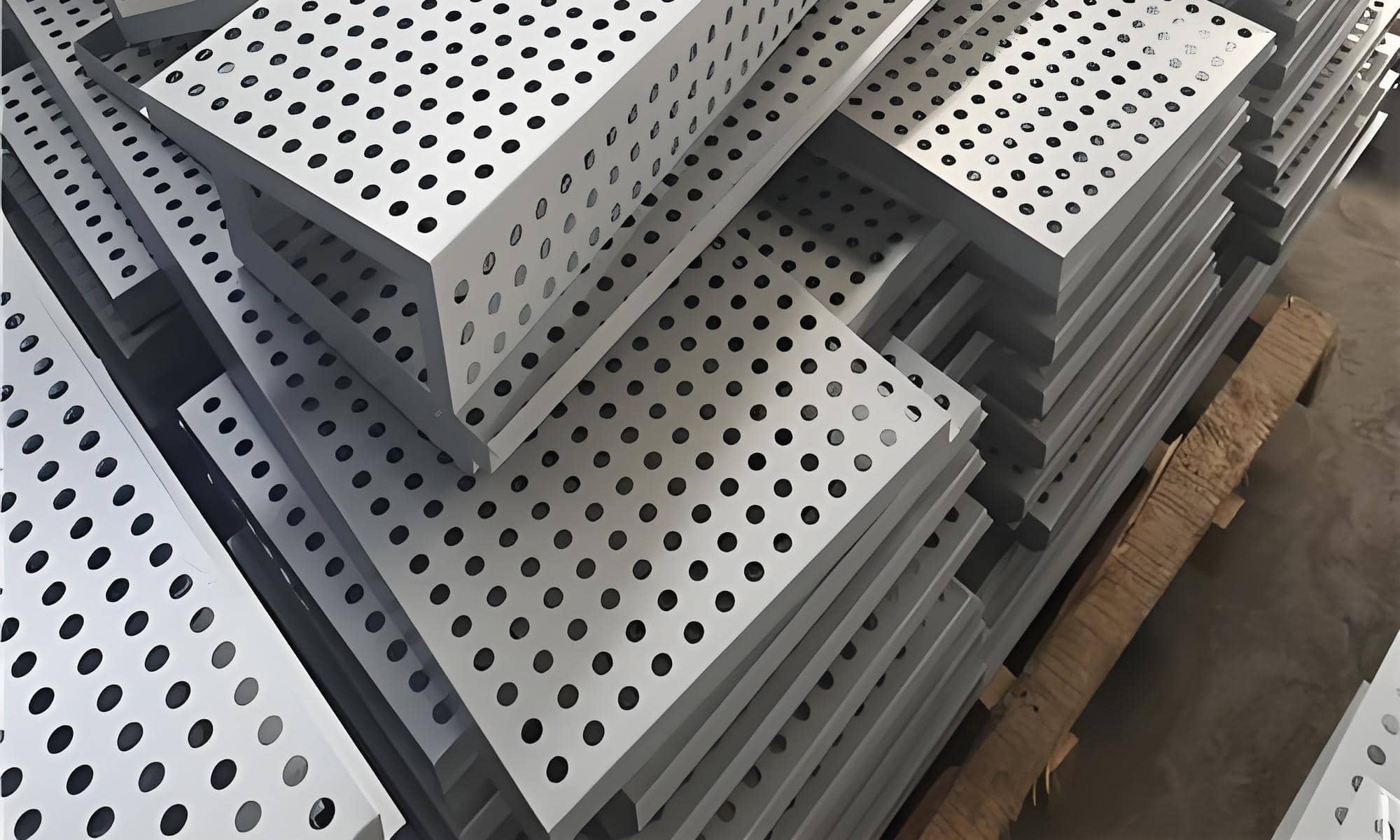
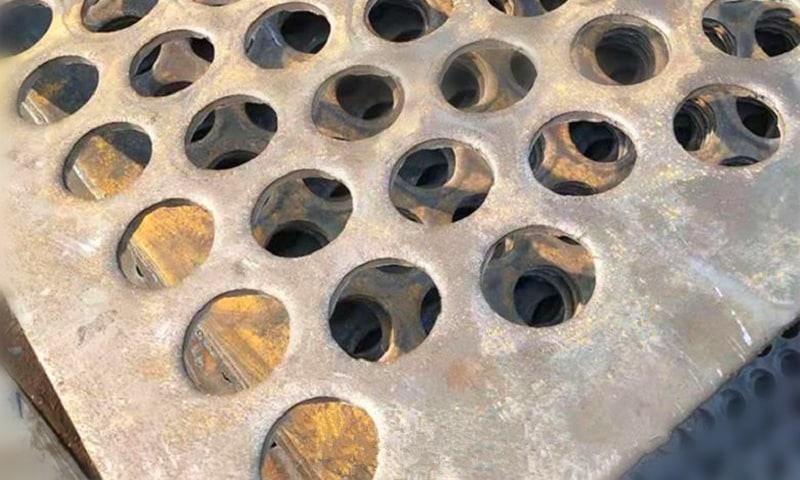
At Perfsheet, we often get asked what makes a reliable carbon steel perforated metal sheet for industrial use. A properly specified carbon steel perforated metal sheet will balance cost, strength and manufacturability. In this article we break down the basic structure, the most relevant material properties, and the practical considerations engineers and procurement teams should weigh when specifying perforated panels for heavy-duty applications.
What a perforated panel actually is
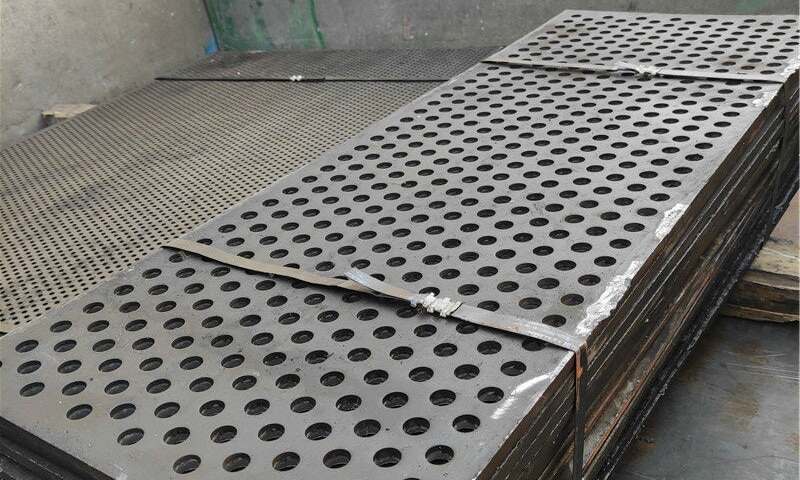
A carbon steel perforated metal sheet is essentially a flat steel plate punched with a pattern of holes to achieve a controlled open area, mechanical performance and airflow. The key structural elements are the base material, the hole geometry, the sheet thickness, and the spacing pattern. Each of these elements changes how the panel behaves under load, how it resists corrosion, and how easily it can be fabricated for welding, bending or assembly on site.
Base material and grades
Carbon steel grades used in industrial perforated products range from mild low-carbon steels (for general-purpose panels) to higher-carbon options where increased hardness or wear resistance is required. For many filtration, screening, and protective enclosure applications, mild carbon steel offers an excellent balance of strength and cost. When enhanced corrosion resistance is needed, a carbon steel perforated metal sheet may be galvanized or coated after perforation to prolong service life in humid or corrosive atmospheres.
Hole geometry and mechanical performance
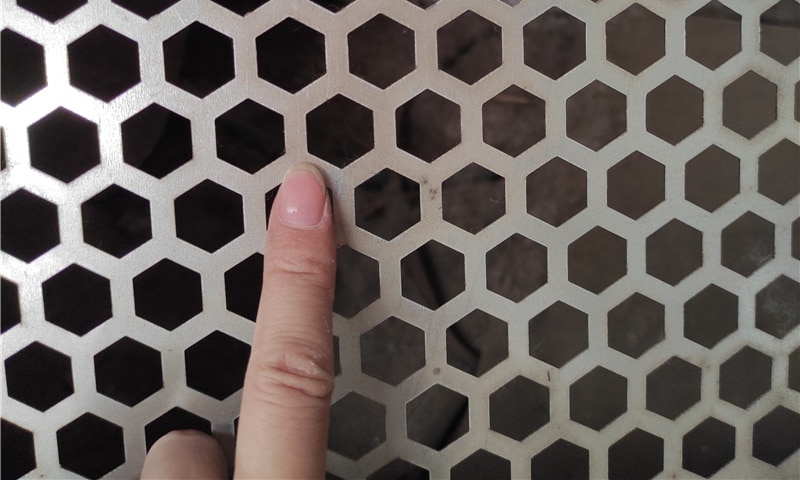
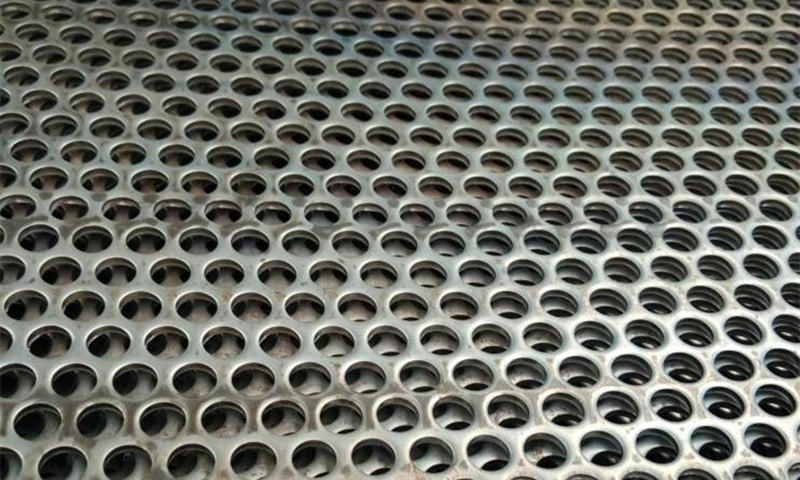
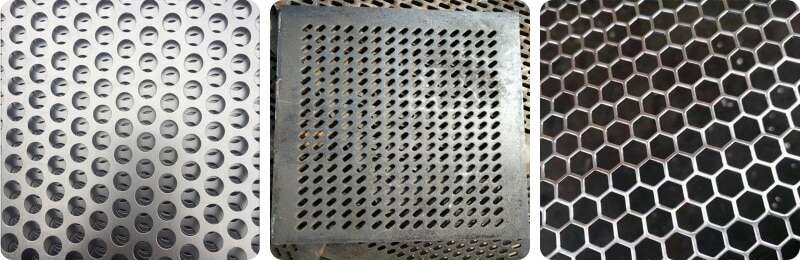
Hole shape — round, square, hex, slot — strongly affects load distribution and open area. Round holes typically deliver the best compromise between strength and open area, while elongated slot perforations can provide directional flow and larger open area for the same panel width. When strength is critical, choosing the right hole pitch (center-to-center spacing) and maintaining adequate web between holes are essential. Our technical team often compares round-hole and slot-hole panels when customers specify machine guards, extraction grilles or conveyor screens.
Thickness, flatness and fabrication
Sheet thickness determines bending stiffness and load-carrying capacity. In heavy-duty guards, platforms or safety grating supports, a thicker carbon steel perforated metal sheet reduces deflection and increases safety margins. Conversely, thinner panels are lighter and cheaper to process but may require additional framing. Consider fabrication needs too: forming, welding, or laser cutting around perforated panels can change the effective thickness and stress concentrations — we advise performing prototype trials when panels will be bent or welded near perforations.
Open area and functional trade-offs
Open area (percentage of hole area versus total panel area) directly influences airflow, light transmission, and filtration efficiency. For industrial extraction systems, a higher open area improves flow rate but can reduce structural stiffness. For acoustic enclosures and machine guards, balancing open area with noise attenuation or impact resistance is important. We recommend specifying open area targets early in the design phase so we can optimize hole size and pattern to meet performance and structural requirements.
Corrosion protection and finishing
A bare carbon steel perforated metal sheet will rust in aggressive environments unless protected. Selecting the right finishing for a carbon steel perforated metal sheet is as important as choosing the base grade. Common options include hot-dip galvanizing, electro-galvanizing, powder coating, or chemical passivation depending on the end use. For outdoor screening and heavy equipment housings, hot-dip galvanizing after perforation gives robust long-term protection. If electrical conductivity or paint adhesion is required, alternative surface treatments can be specified.
Quality control and custom options
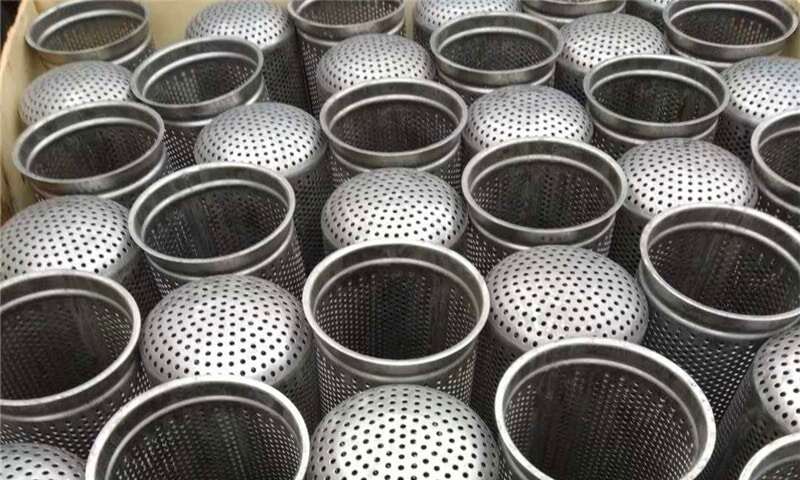
One major advantage we offer is custom sizing and one-piece minimum orders for carbon steel perforated metal sheet products. Whether you need a single bespoke carbon steel perforated metal sheet for prototyping or large batches for production, we can deliver. Dimensional tolerances, flatness checks and edge finishes are inspected before shipment to ensure you receive panels ready for immediate assembly.
Typical industrial uses
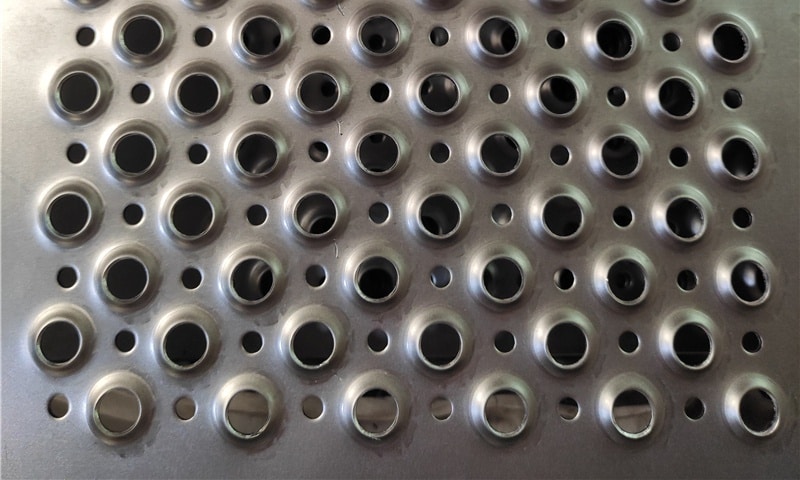
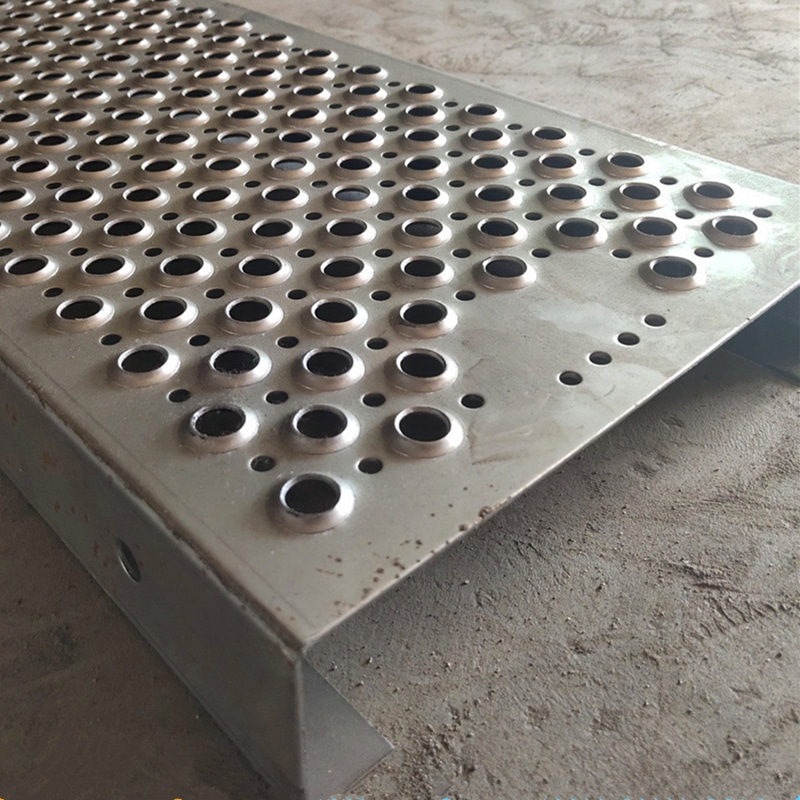
Carbon steel perforated metal sheet finds frequent use in HVAC extraction, industrial filtration frames, machine guards, safety covers, acoustic enclosures, and conveyor screening. When a project calls for higher corrosion resistance, consider stainless steel perforated metal sheet as an alternative. For lighter applications where weight matters, aluminum perforated metal sheet can be an efficient choice. For high-wear screening or heavy-duty grating, high-manganese perforated panels and Perforated Safety Grating variants are commonly chosen.
Practical specification checklist (quick)
• Specify the intended application and load requirements.
• State the exact panel dimensions and any required edge finishing.
• Declare open area %, hole shape, diameter or slot size, and pitch.
• Choose surface finish: bare, galvanized, powder-coated.
• Ask for a small prototype or sample before full production runs.
If you’re ready to discuss a specific project, email our sales team at info@perfsheet.com with drawings, required quantities, and environmental conditions — we’ll propose optimized panel options and a production plan.