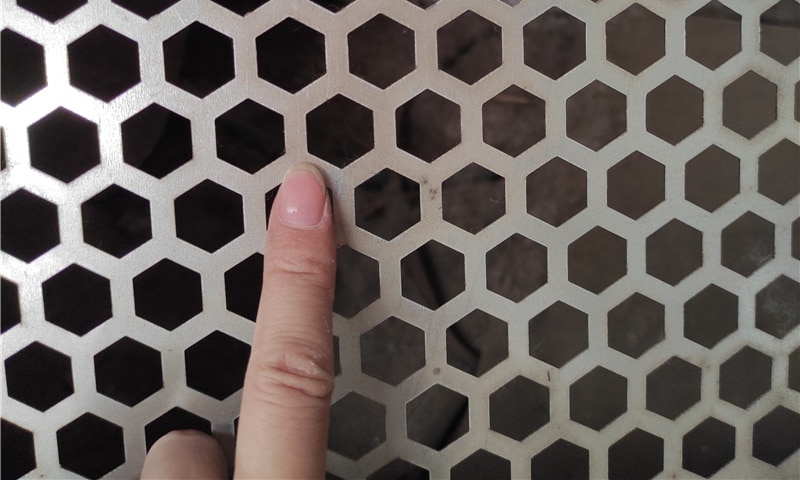
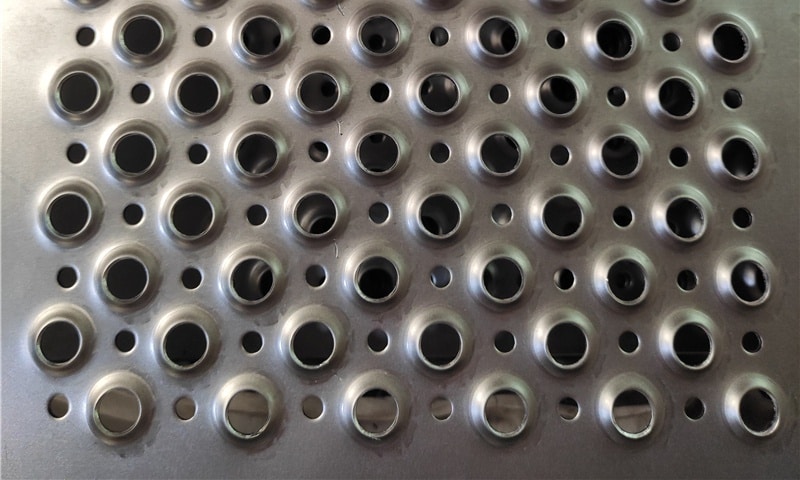
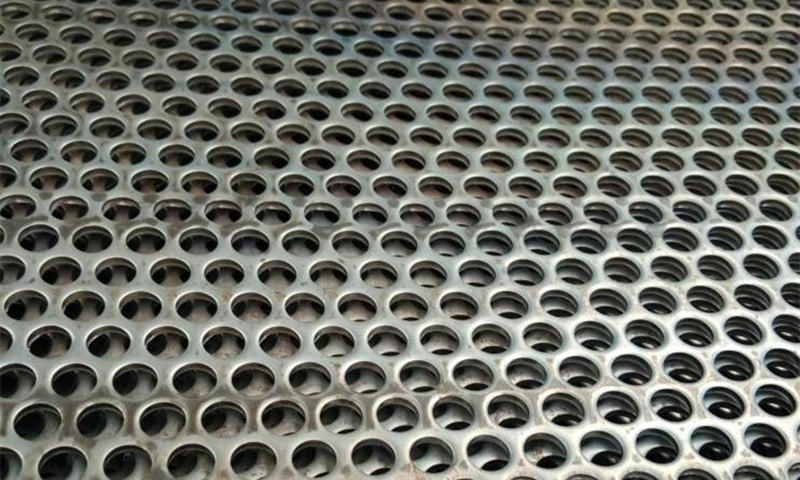
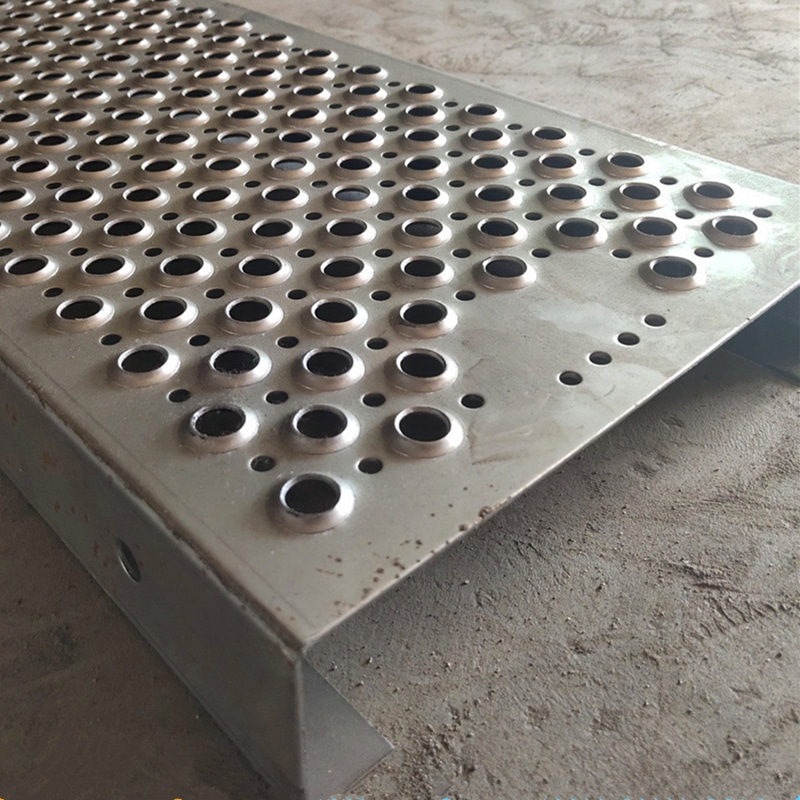
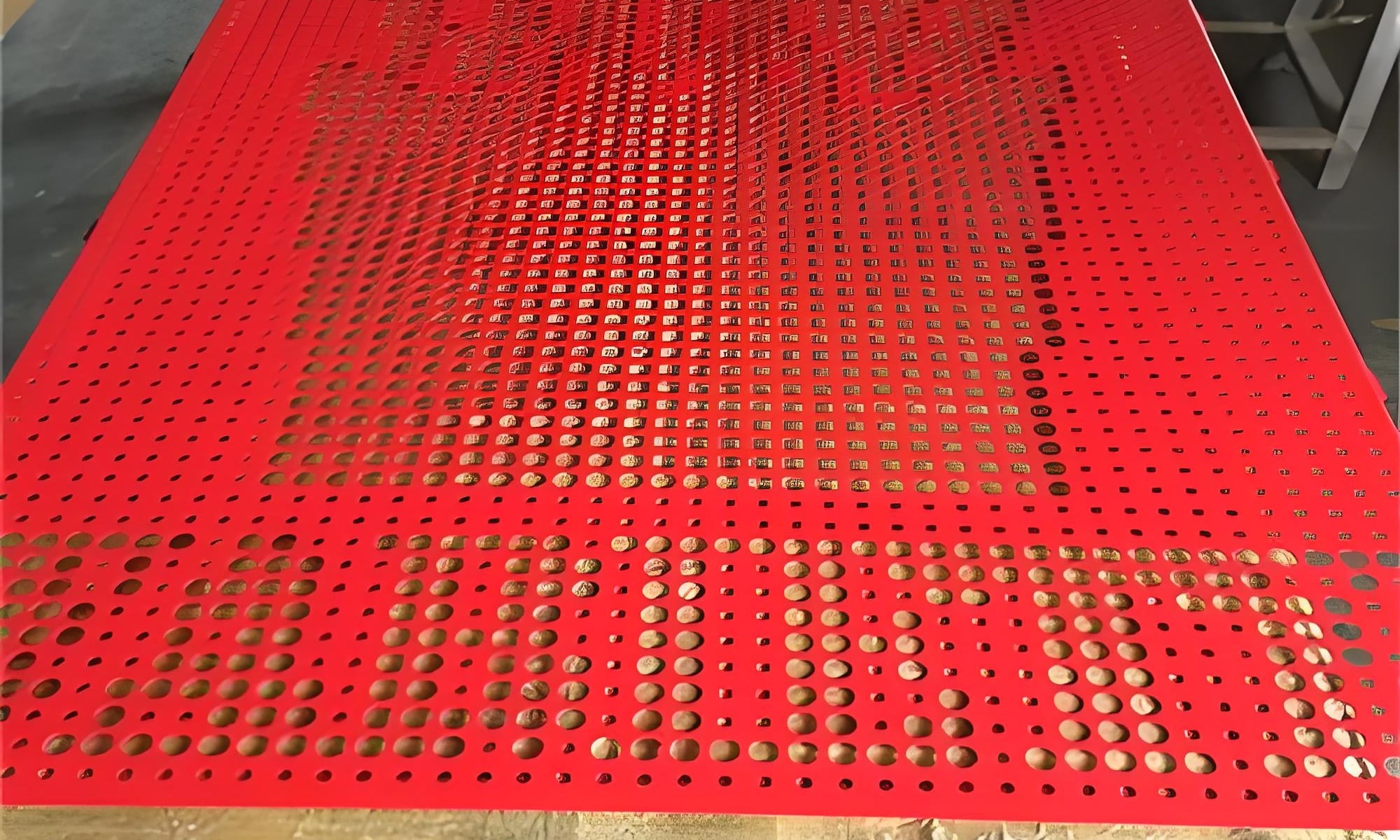
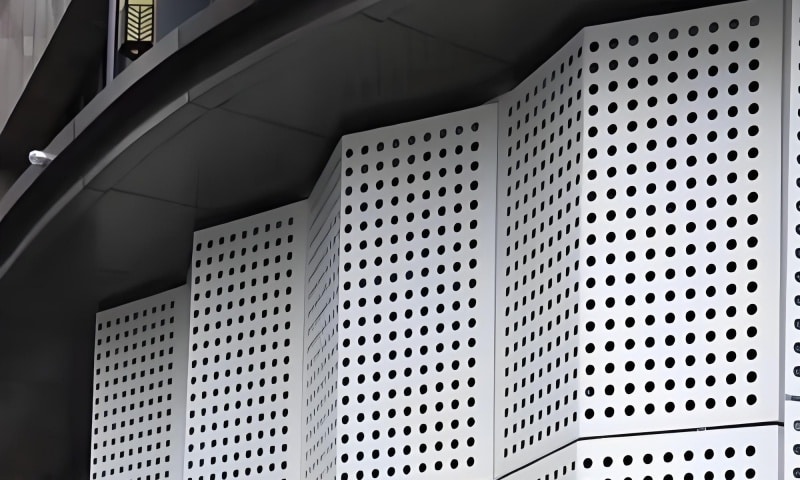
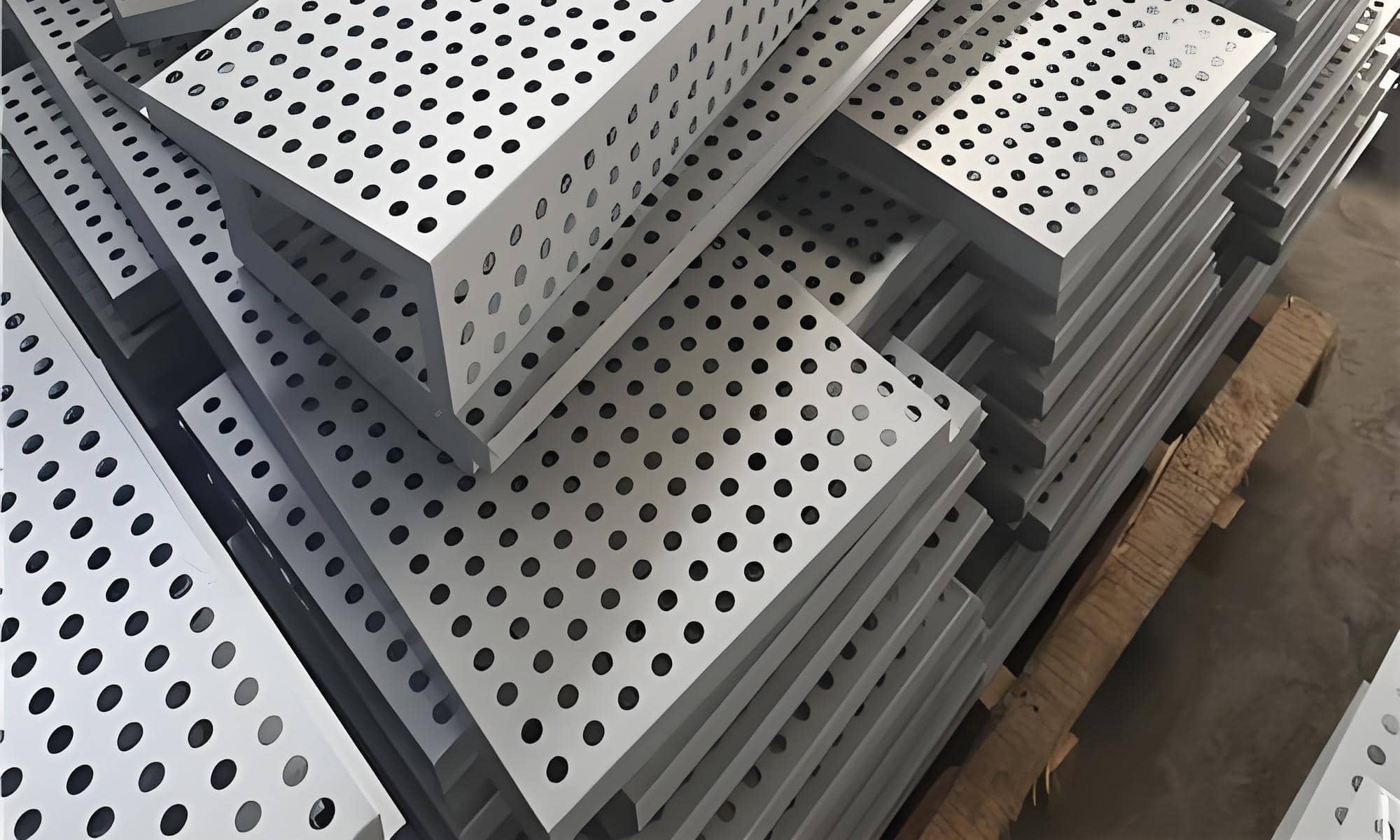
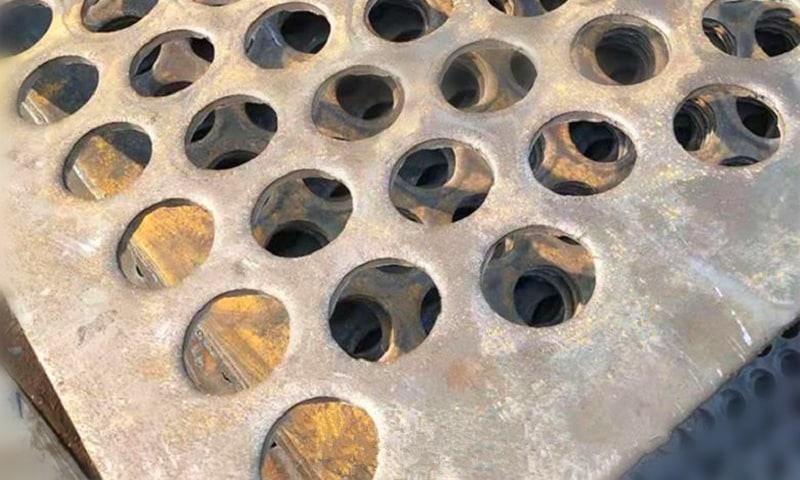
Cross perforated metal sheets combine a distinctive cross-shaped hole layout with the practical benefits of metal fabrication. Unlike walking surfaces or anti-slip gratings, cross perforated panels are primarily used in industrial settings for screening, ventilation, light management, acoustic moderation and decorative-yet-functional facades. This article explains the structure and realistic mechanical advantages of the cross perforated metal sheet and how designers and engineers can apply it in industrial projects.
What is a cross perforated metal sheet?
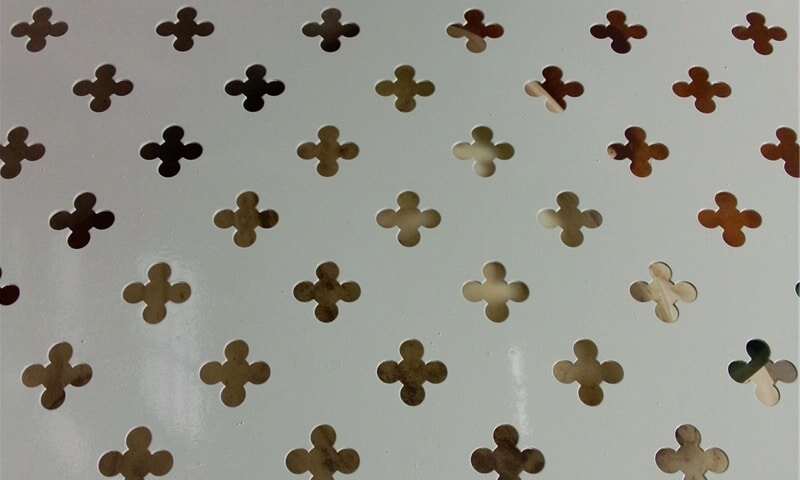
A cross perforated metal sheet is a flat metal panel punched with repeated cross-shaped openings. The crosses can be formed by intersecting slots, short slits, or by punching a single cross-shaped die. The pattern produces a regular array of openings that balance open area with remaining metal, giving predictable airflow, filtered passage for light or particles, and controllable stiffness.
Key structural features
- Pattern geometry: The cross hole’s arm length, slot width and spacing determine open area (percentage of removed material) and visual density. Engineers choose these parameters to tune ventilation rates or filtration capability.
- Material and thickness options: Cross patterns are available in carbon steel, stainless steel perforated metal, aluminum perforated metal and galvanized perforated metal; each material suits specific corrosion, weight or finish requirements.
- Edge and support design: Properly designed flanges, bends or frames convert a thin panel into a stiff module suitable for screens, enclosures, or facade panels without misrepresenting it as a structural walking surface.
Mechanical advantages (accurate, industrial-focused)
- Controlled open area and flow — A cross perforated metal sheet provides predictable airflow or liquid passage while keeping the structural skeleton intact. This makes it useful as intake/exhaust screening, HVAC louvers, or pre-filters.
- Light diffusion and visual screening — The cross shape diffuses light and offers partial visibility control, making these panels valuable for equipment housings, sunshades, and machine guards where full transparency is undesirable.
- Acoustic moderation — When combined with absorptive backing, cross perforated panels help break up sound waves and reduce reverberation in industrial enclosures or acoustic cabinets.
- Weight savings with residual stiffness — Compared with solid plates, the patterned panel reduces mass while retaining lateral stiffness—beneficial where weight matters but complete open area is not required.
- Customizability for fabrication — The pattern, pitch, material and thickness are easily tailored; this allows designers to balance strength, open area and finish for applications ranging from filtration housings to façade elements.
- Reliable repeatability — Modern punching and laser processes produce consistent holes, which is important for filter tolerances and predictable aerodynamic behavior.
Typical industrial applications
- Screening and filtration: pre-filters, particle screens and protective screens for fans and intakes.
- Equipment enclosures and panels: ventilation panels on generators, switchgear or HVAC units where airflow and protection are both needed.
- Sun-shading and light control: machine-room louvers and exterior sunshades that require controlled daylighting.
- Acoustic panels: backed with acoustic media to reduce noise in manufacturing cells.
- Decorative-functional facades: when appearance matters alongside performance—commonly specified in plant façades or office exterior screens.
Design considerations and best practices
- Specify open area (percentage) early — it governs flow, filtration and strength.
- Choose material based on environment — stainless for corrosion resistance, galvanized for outdoor cost-effective protection, aluminum where low weight is priority.
- Coordinate edge treatment and mounting to avoid stress concentrations near hole arrays.
- If acoustic or filtration performance is required, plan for backing layers (foam, fabric, or secondary mesh).
Conclusion
A cross perforated metal sheet is a versatile engineered panel that excels at controlled airflow, light and sound management, and weight reduction while offering broad customizability. It is not a substitute for anti-slip or heavy structural grating; instead, it serves industrial roles where screening, ventilation, visual control and lightweight strength are the priority. For related needs, consider our stainless steel perforated metal or aluminum perforated metal product ranges that can be manufactured to match precise hole geometry, thickness and finish.